Good afternoon. One after another, Mozambique's state-owned companies have begun reporting surprisingly positive financial results. Petromoc almost tripled its profits last year. Airports of Mozambique returned to the black. LAM now says it has completed a year of "financial and operational recovery", announcing a profit of MZN5.3bn ($83m).
At first glance, it looks like a remarkable turnaround across the public sector. The reality is both more encouraging and more complicated.
The full Daily Briefing continues below for Pro subscribers. Subscribers to the Zitamar News tier can read the top half, including the full leader article, here.
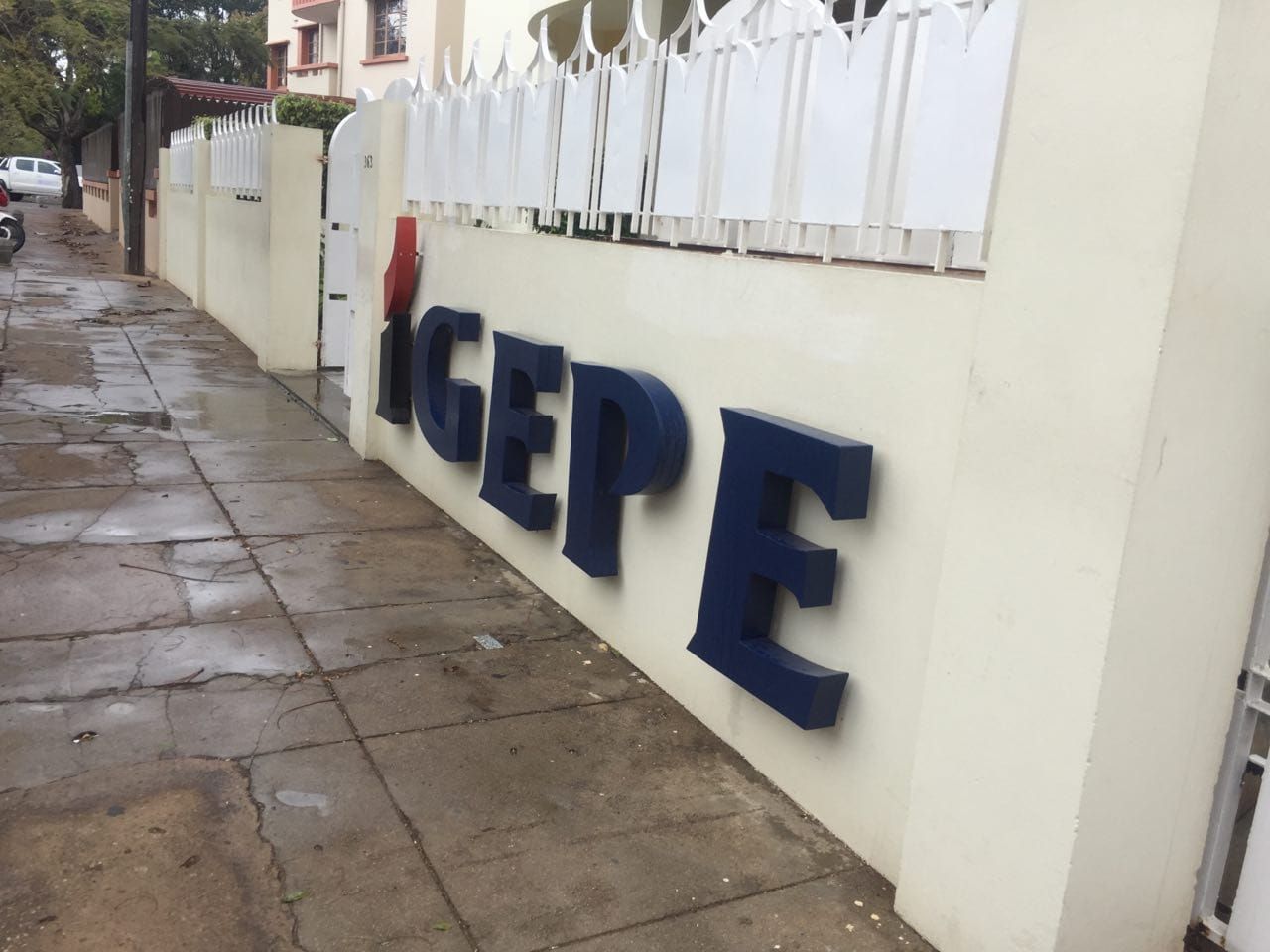
For several years, the Institute for the Management of State Holdings (IGEPE), backed by the government, has been quietly carrying out one of the biggest restructurings of Mozambique's public companies since independence. The objective is straightforward: remove the toxic debts accumulated over decades, transfer liabilities that rightly belong to the state onto the government's own balance sheet, and give companies a chance to operate on a commercial footing.
There is a strong case for doing that. Many of these debts were not created because the companies themselves were poorly managed. Petromoc accumulated liabilities while implementing politically imposed fuel subsidies, while Airports of Mozambique inherited debts linked to government decisions to build the Maputo and Nacala airports. LAM has long been expected to fulfil political and social objectives that no purely commercial airline would accept.