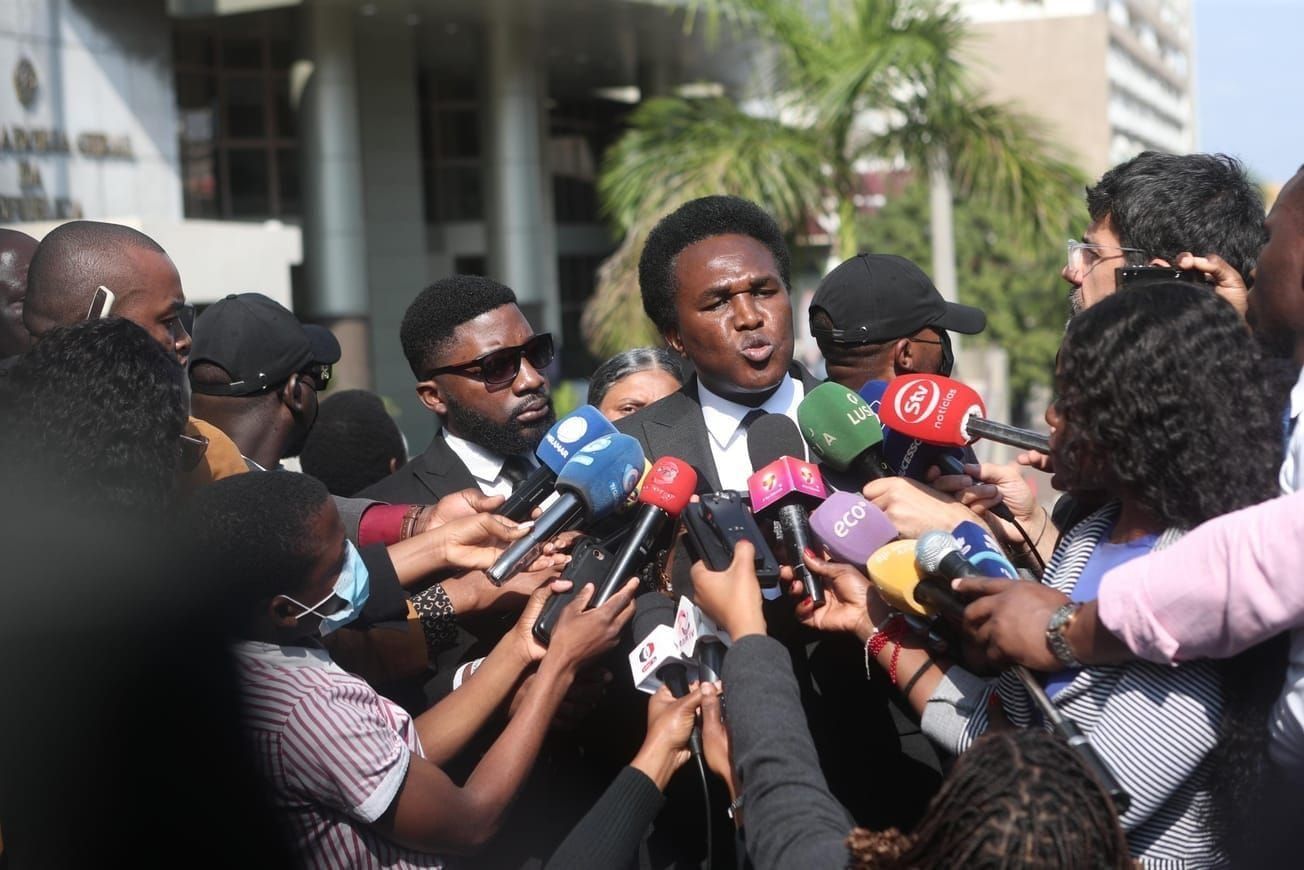
Good afternoon. Venâncio Mondlane’s trial presents Mozambique’s government with an awkward political calculation. A conviction could remove or constrain the country’s most effective opposition politician. But the proceedings could also give Mondlane a national platform, reinforce his claim to be the victim of political persecution and deepen the divisions left by the disputed 2024 elections.
Mondlane and Anamola have therefore called for the trial to be broadcast live. That demand is not merely about transparency; Mondlane is a skilled communicator who may welcome the opportunity to turn a criminal prosecution into a public judgment on the election, the conduct of the police and the government’s treatment of its opponents.
The full Daily Briefing continues below for Pro subscribers. Subscribers to the Zitamar News tier can read the top half, including the full leader article, here.
The latest from Zitamar News:
 Zitamar News
It will also be a test of the Supreme Court. The judges must demonstrate that they can assess an intensely political case independently, requiring the prosecution to prove each charge rather than accepting the government’s account of the post-election crisis.
The five charges reportedly carry combined potential sentences exceeding 20 years. That is relevant to the dispute over Mondlane’s immunity: lawyers argue that, because the alleged offences effectively carry a life sentence, proceedings could continue without authorisation from the Council of State. Its decision of 10 June may therefore have been legally unnecessary, making its political purpose still more questionable.
The seriousness of labels such as “incitement to terrorism” must be matched by evidence connecting Mondlane’s words or actions to identifiable crimes. The post-election violence was not simply generated by Mondlane. It arose from widespread frustration over the election results, the opaque and discredited processes that produced them and the state’s response to the protests. Calling demonstrations and stoppages does not by itself make Mondlane responsible for every subsequent death or act of destruction.