Good afternoon. The government says protecting people in Cabo Delgado is urgent. Speaking on 16 October, justice ministry permanent secretary Tuarique Abdala pointed to displaced families and children suffering the consequences of the insurgency. He was answering a question about human rights priorities after Mozambique accepted 284 of the 292 recommendations from its fourth Universal Periodic Review. His answer recognised the suffering, but he shared no specific commitment or mechanism to turn those words into action.
Since 2017, the conflict has claimed more than 6,600 lives and forced over 1.2 million people from their homes. Between September and October alone, the International Organization for Migration (IOM) recorded at least 4,445 newly displaced people. Overcoming the insurgent threat is a formidable task, and the state did not choose this conflict.
The full Daily Briefing continues below for Pro subscribers. Subscribers to the Zitamar News tier can read the top half, including the full leader article, here.
Nevertheless, the state’s own conduct in the province remains opaque, and it is failing its people on two distinct fronts.
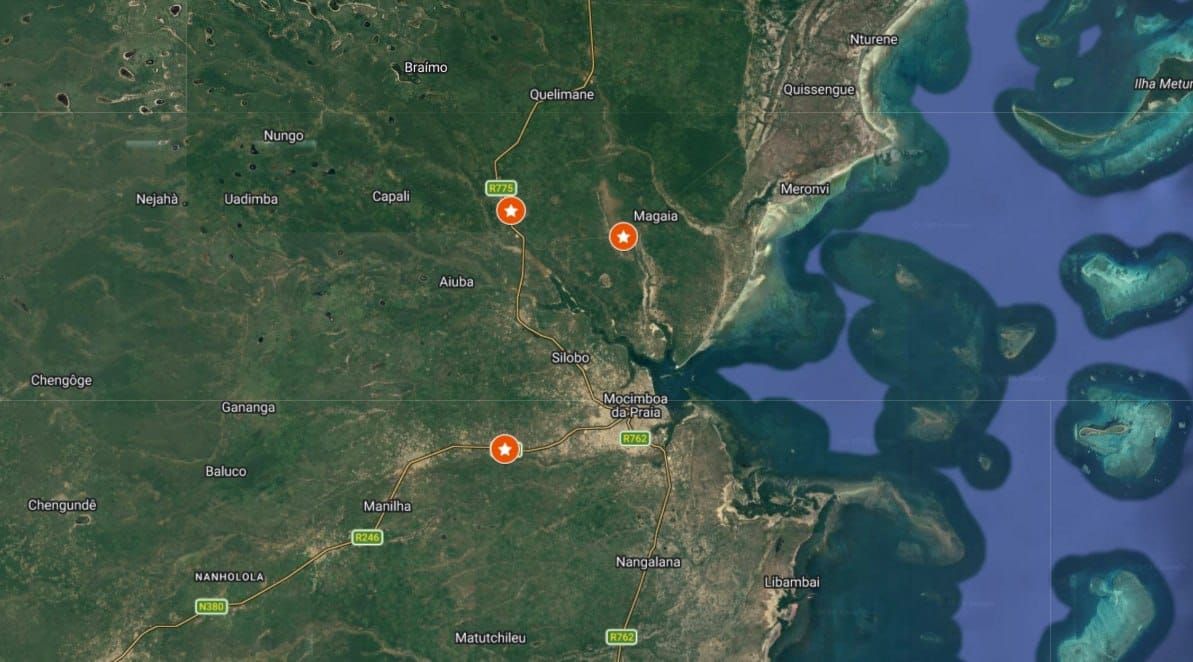
First, state forces themselves face allegations of wrongdoing. The killing of fishermen in March provides a concrete test of accountability. Zitamar reported that at least 13 people were killed on 15 March this year after the Navy allegedly opened fire on their boats off the coast of Mocímboa da Praia. Human Rights Watch subsequently gathered accounts implicating naval personnel. The armed forces denied responsibility, attributing the killings to insurgents wearing military uniforms.