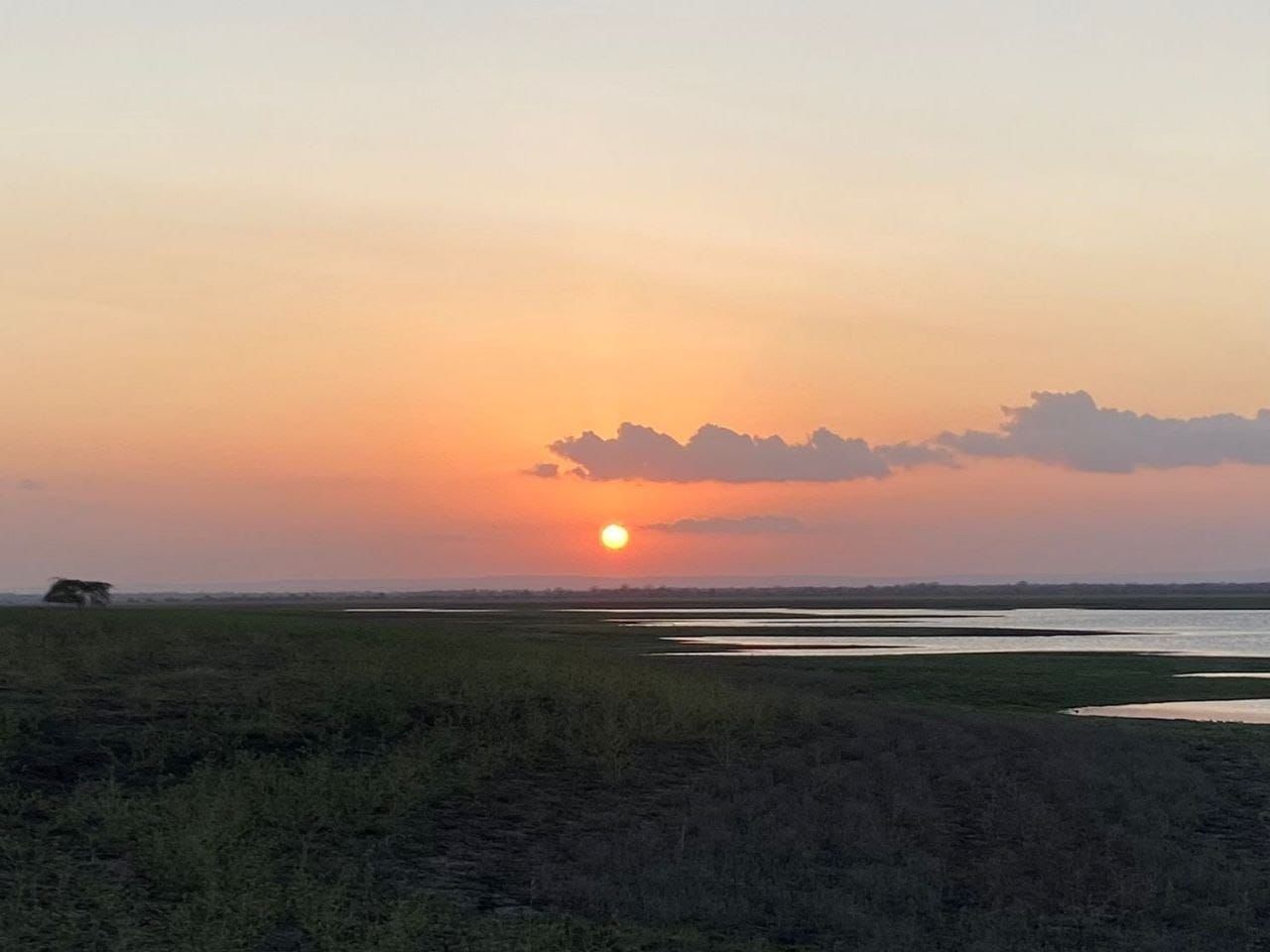
Good afternoon. The government wants to open Mozambique's 29 conservation areas to more private concessions, in a bid to increase tourism revenues from around $200m a year before the Covid-19 pandemic to more than $1bn, while creating jobs and attracting investment to some of the country's most remote regions.
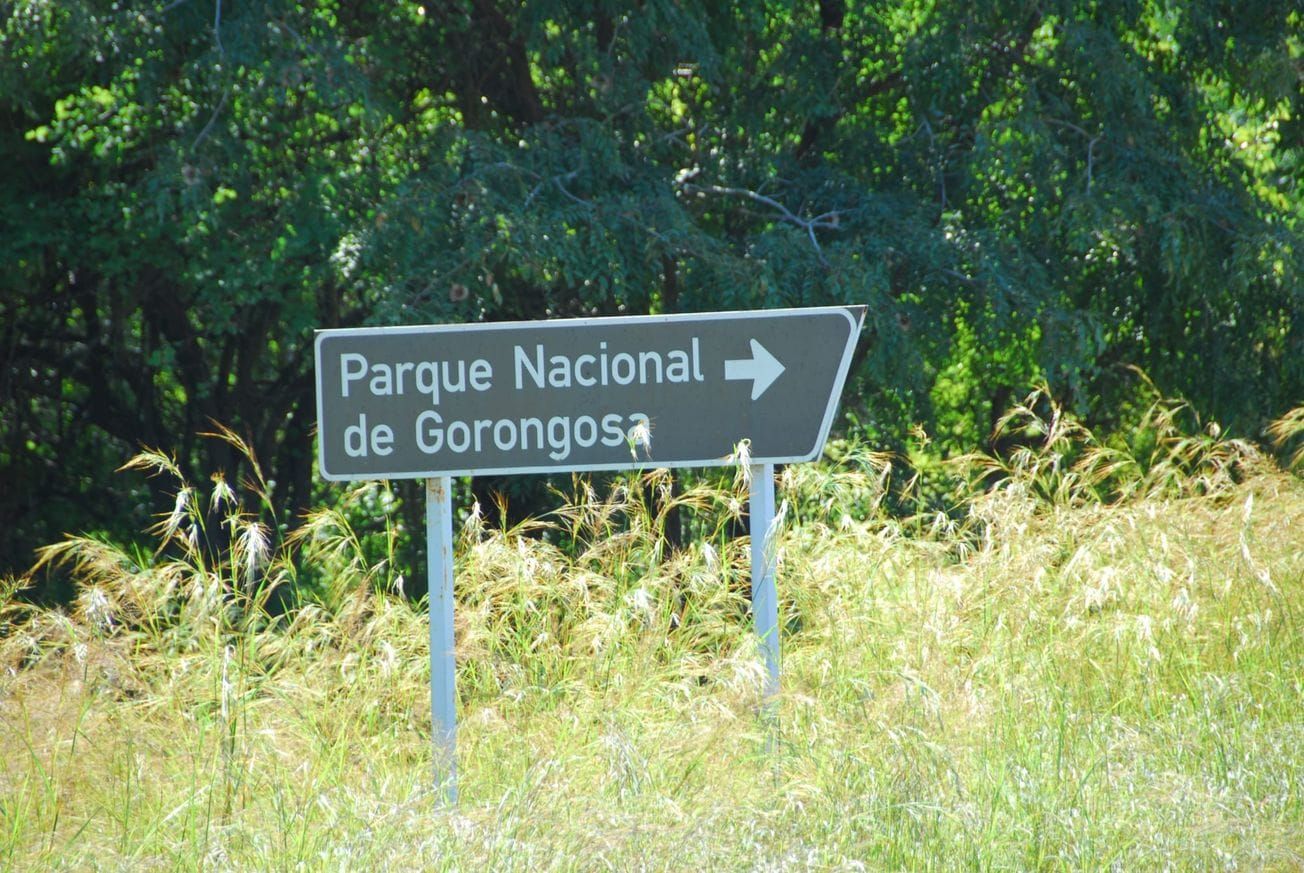
There is no obvious reason why that should not be possible. Southern Africa has repeatedly shown that well-managed conservation can become a major economic activity. South Africa's Kruger National Park is one of the continent's leading tourist destinations. Closer to home, Gorongosa National Park has demonstrated what sustained investment, professional management and long-term commitment can achieve, restoring wildlife while creating employment and supporting surrounding communities.
The full Daily Briefing continues below for Pro subscribers. Subscribers to the Zitamar News tier can read the top half, including the full leader article, here.
But while Mozambique has the natural assets to compete, it has often lacked the policy consistency to give investors confidence.
Some conservation areas remain little more than lines on a map. Others have suffered years of underinvestment, weak management or illegal exploitation of timber and wildlife. At the same time, conservation operators have periodically found themselves in conflict with provincial authorities and local political leaders. Gorongosa has experienced repeated tensions with the Sofala provincial government. Karingani, on the South African border, has also faced disputes with local authorities. In Niassa, disagreements between officials and conservation managers have raised doubts about the government's commitment to long-term partnerships. None of that encourages investment.
Nor does the continuing uncertainty over the purpose of some protected areas. Mozambique has long sought to expand mining and other extractive industries, creating periodic concerns that commercial interests could eventually take precedence over conservation. Investors will understandably hesitate if they cannot be confident that today's conservation concession will still be protected tomorrow.