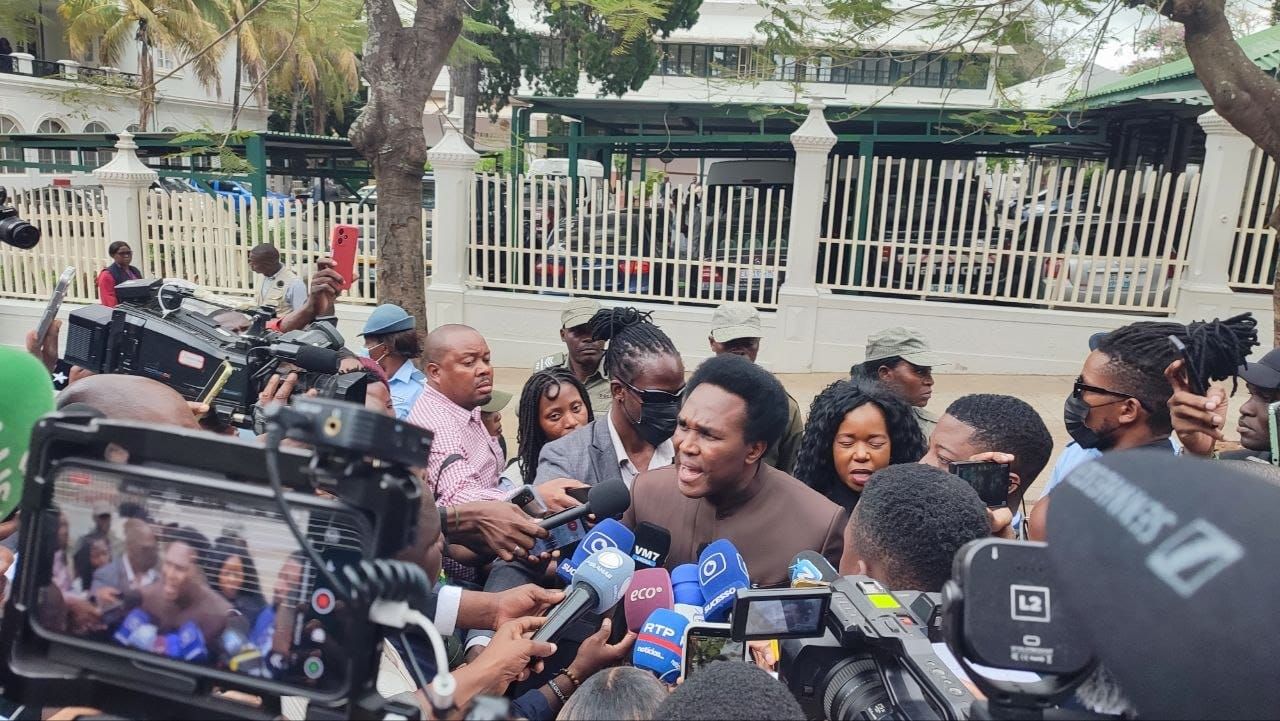
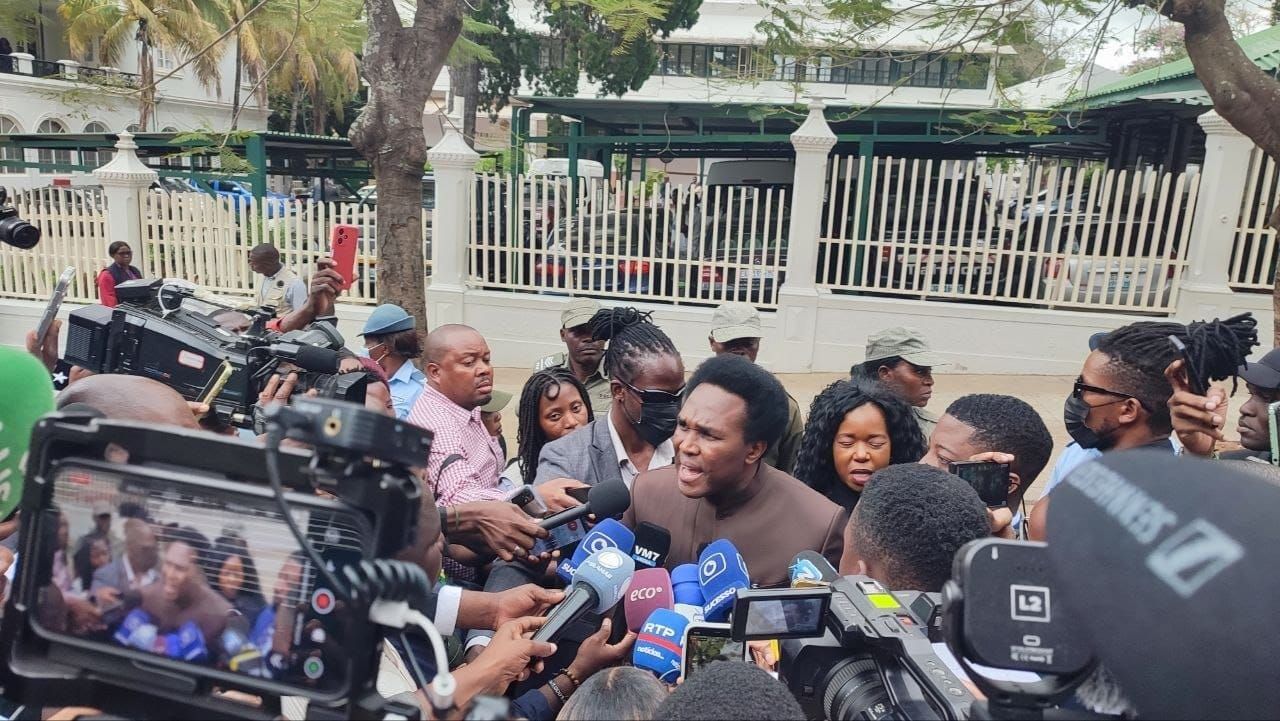
Good afternoon and welcome to yesterday's daily. The trial of Venâncio Mondlane is only three days old, but it has already become a test of the Supreme Court's ability to manage one of Mozambique's most politically sensitive cases. The former presidential candidate faces five criminal charges arising from the protests that followed the disputed 2024 elections, including incitement to terrorism. He denies wrongdoing and argues that the prosecution is politically motivated, intended to prevent him from standing in future elections.
Much of the opening proceedings has been consumed by disputes over procedure rather than the substance of the allegations. The defence has challenged the authority of the prosecutor who conducted the investigation, alleged violations of Mondlane's rights during questioning, and disputed the admissibility of intercepted telephone communications. The prosecution, meanwhile, has challenged the participation of Chamir Mendes in Mondlane's defence team, arguing that he is not registered with the Mozambican Bar Association, OAM.
The full Daily Briefing continues below for Pro subscribers. Subscribers to the Zitamar News tier can read the top half, including the full leader article, here.
The latest from Zitamar News:
 Zitamar News
These may appear to be technical arguments, but they have consequences for the fairness of the proceedings. The telephone intercepts, for example, were reportedly authorised by a judge, but the defence questions the completeness of the records and the circumstances in which one recording, believed to involve Mondlane and Podemos leader Albino Forquilha, was leaked into the public domain. The legality of obtaining evidence, the integrity of the material presented and responsibility for its disclosure are distinct questions, which the court must address on their merits.
The controversy surrounding Mendes illustrates the difficult position in which the judges find themselves. The court initially permitted him to participate, despite objections, before restricting his right to address the proceedings. Whether he is legally entitled to act in the capacity claimed remains disputed, with conflicting interpretations circulating among lawyers. The judges must resolve that question according to the law, while knowing that either decision may be interpreted politically.