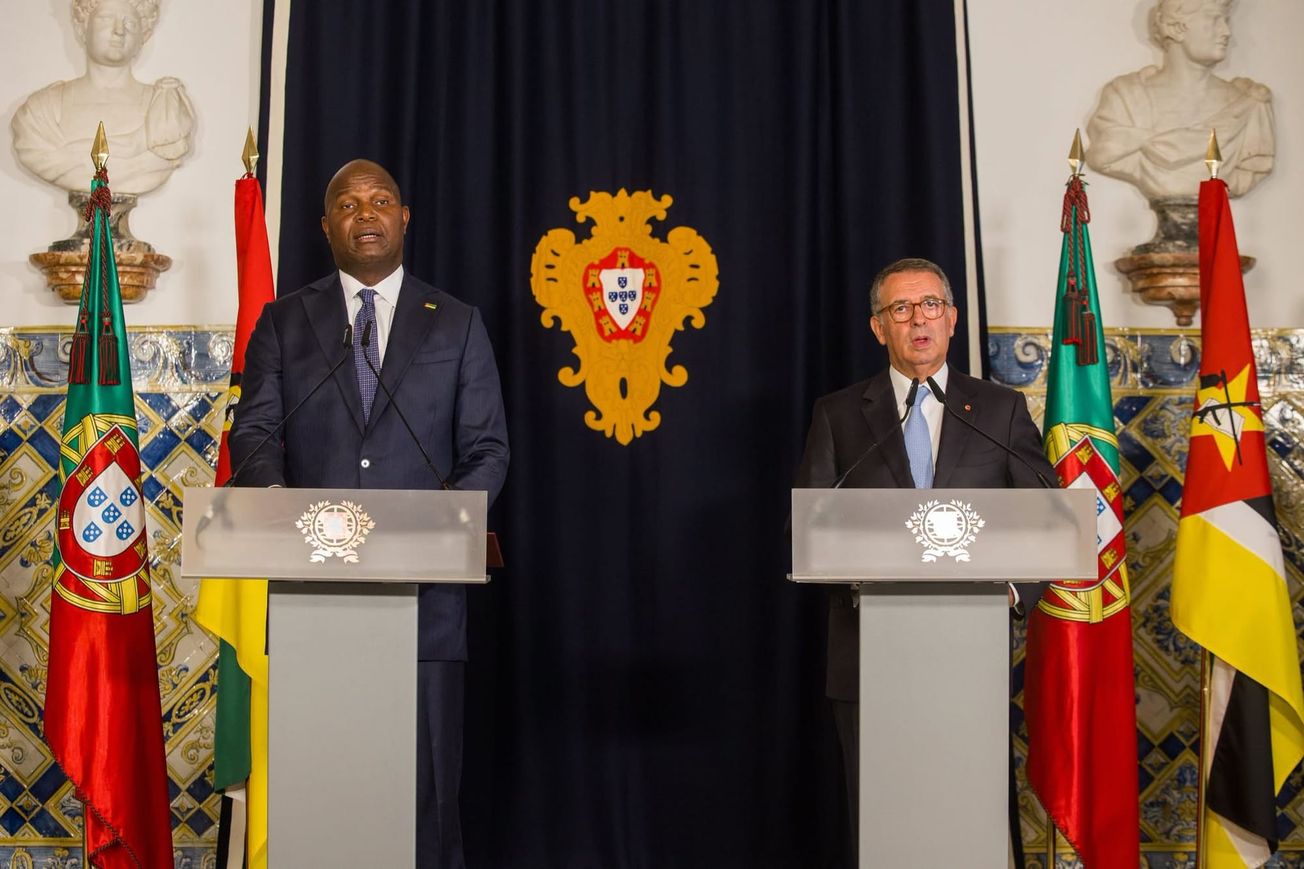
President Daniel Chapo's expression of concern over the arrest of Guinea-Bissau opposition leader Domingos Simões Pereira during his visit to Portugal might have passed largely unnoticed outside Lusophone diplomatic circles. Instead, it provoked a furious response from Guinea-Bissau's military-backed authorities, who accused Chapo of hypocrisy and lacking the moral authority to comment on another country's affairs while Mozambique continues to grapple with terrorism and political unrest.
It was not an isolated reaction. Guinea-Bissau's current leadership has also sharply criticised the government of Cabo Verde and, earlier, Timor-Leste's President José Ramos-Horta after they voiced concerns over political developments in the country. A pattern is emerging: criticism from fellow Portuguese-speaking countries is increasingly treated not as friendly advice but as illegitimate interference.
The full Daily Briefing continues below for Pro subscribers. Subscribers to the Zitamar News tier can read the top half, including the full leader article, here.
That poses a question for the Community of Portuguese Language Countries (CPLP), of which these countries are all members. The organisation likes to present itself as more than a shared language and colonial history. Its founding documents speak of democracy, human rights, constitutional order and the rule of law as common values. Yet whenever those principles come under strain within one of its member states, the organisation has shown little appetite for confronting the issue publicly.
In that respect, the CPLP stands apart from several comparable organisations. The Commonwealth has suspended members following coups or serious breaches of democratic norms. The Organisation internationale de la Francophonie has done the same in countries including Mali, Burkina Faso, Niger and Guinea. The African Union routinely suspends governments that come to power through unconstitutional means. Those decisions are often controversial, but they reflect a willingness to defend the standards those organisations say they represent.