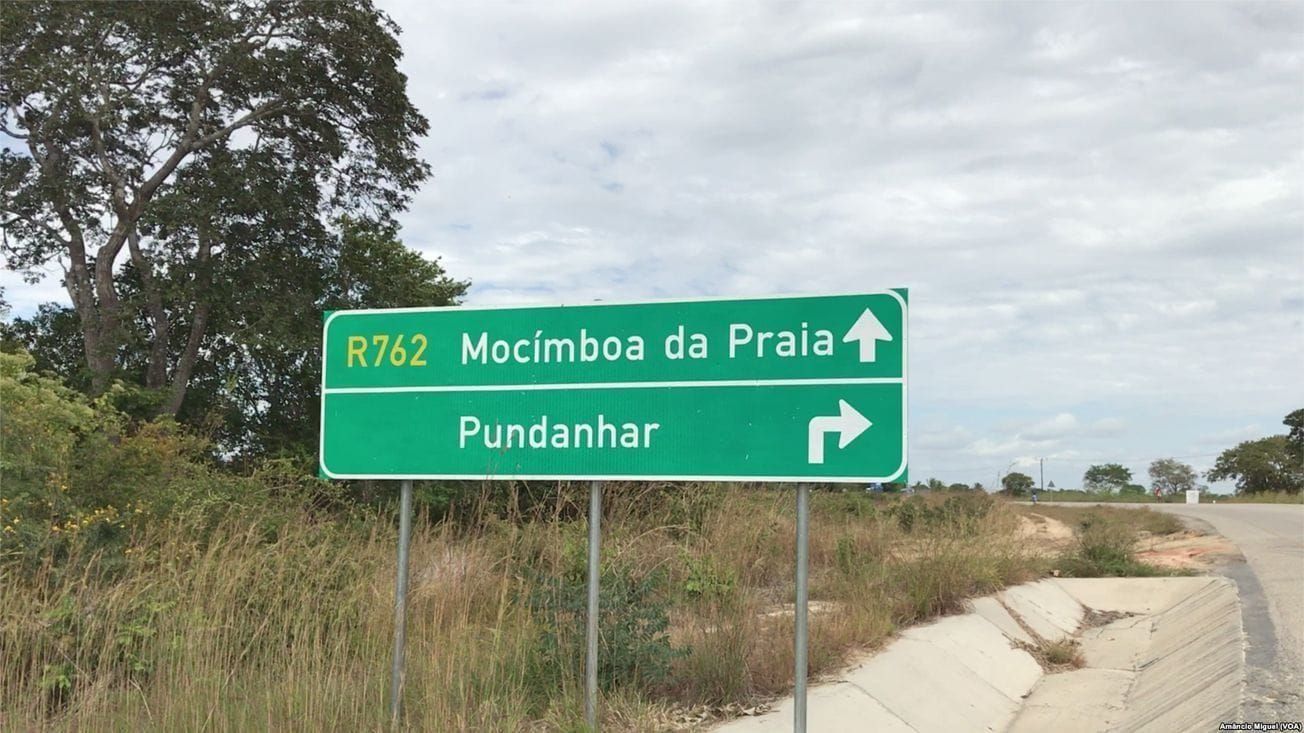
Good afternoon. Almost nine years into the war in Cabo Delgado, the insurgents are still there. Mozambican troops, Rwandan forces and, until 2024, a Southern African regional mission have recovered towns and reduced the territory under insurgent control. They have not ended the war.
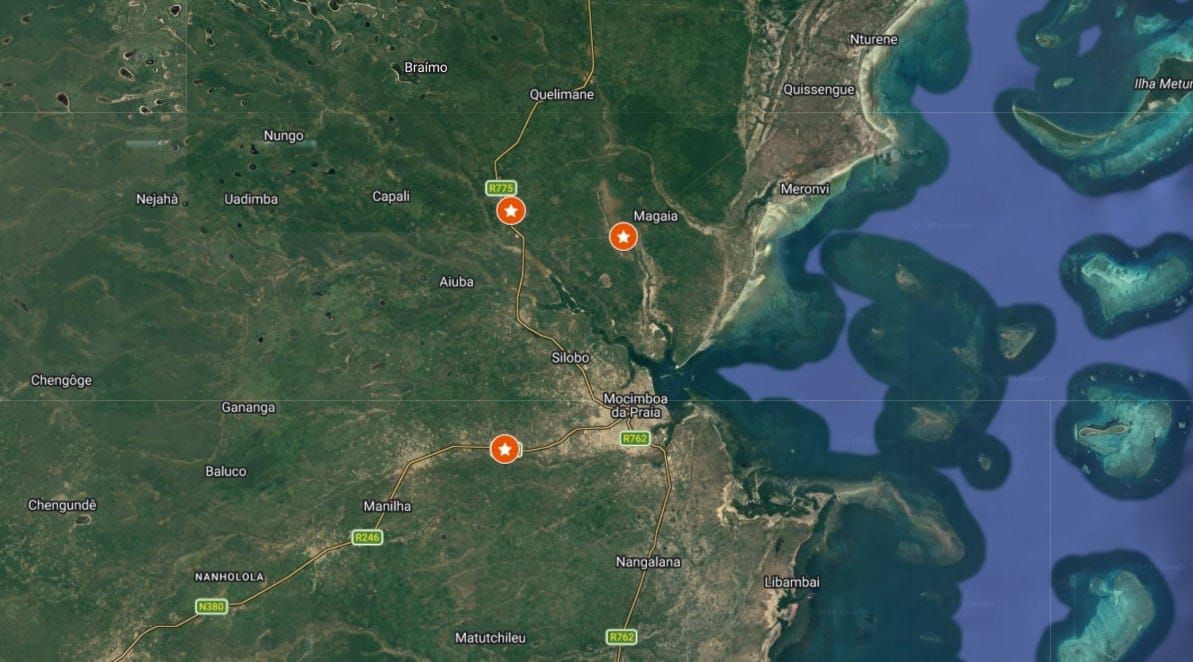
A UN Security Council monitoring report published this month estimates that Islamic State Mozambique has grown to 400-500 fighters despite continuing multinational operations. It says recruitment intensified between December and March, and that the group has pushed south towards mineral-rich Meluco and Montepuez and into Ancuabe and Chiúre. Having spent years courting the coastal communities it relies on, the group has now turned on them, seizing fishing boats and their crews along the Macomia coast. Nine years after the first attack, the insurgency is mobile, adaptive and able to replace at least some of its losses.
The full Daily Briefing continues below for Pro subscribers. Subscribers to the Zitamar News tier can read the top half, including the full leader article, here.
The estimate shouldn't be treated as a census. The monitoring team doesn't publicly explain how it arrived at the range, and casualty and recruitment figures in Cabo Delgado remain opaque. Recent government operations inflicted insurgent losses, particularly around Catupa and in the coastal Macomia, but there's no exact public count of the dead. The report is more convincing on direction than on precision: continued recruitment, movement into new districts and the use of small cells all show that military pressure has contained the group without eliminating it.
Ben Saul, the UN special rapporteur on human rights and counter-terrorism, reached a similar assessment during his visit to Mozambique this month. He describes the military posture as “offensive defence”, containing and reacting to the insurgents rather than pursuing them. This may reduce the intensity of the fighting, he warns, but it leaves the group room to reorganise. Attacks against civilians have become more frequent, severe and geographically dispersed over the past year. A military solution, Saul concludes, does not appear imminent.
His report then presses a question Maputo has acknowledged in principle but not pursued in practice. Saul says some political leaders have shown openness to dialogue, although no official initiative has followed. That observation cites a 2026 Institute for Security Studies paper, but the openness is not merely second-hand. In a 2025 interview with Al Jazeera, Chapo said his government was trying to understand the insurgency’s leadership and motivations, and argued that wars ultimately end at the negotiating table. That was a public signal of willingness, but it has yet to produce a channel, an intermediary or preparations for talks. Saul’s recommendation is therefore the next logical step: after nine years, Mozambique should consider where negotiations to reduce and ultimately resolve the conflict could begin.