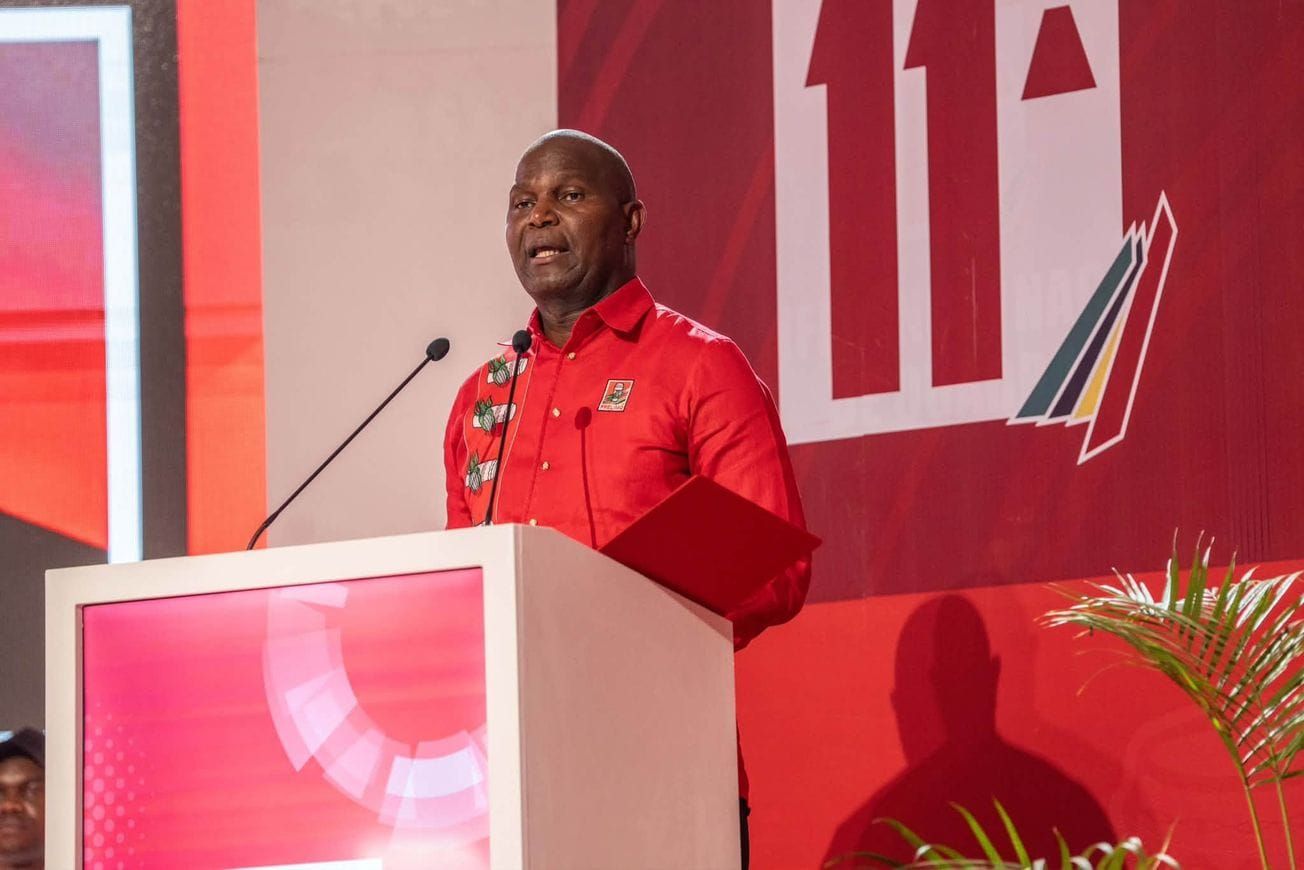
Good morning and welcome to yesterday’s newsletter. Frelimo's leadership has been clearer about where members may criticise the party than about how it will punish those who buy votes. In Nampula on Monday, secretary-general Chakil Aboobacar condemned payments to secure positions in internal elections. During the same visit, he confirmed that governor Eduardo Abdula had been reprimanded for taking his complaints about interference into the public arena. The contrast deserves attention ahead of next year's congress.
Aboobacar called those who pay for votes infiltrators and demanded that candidate lists be published. Both the practice he described and the secrecy he criticised deserve scrutiny. But the account of his remarks identifies no alleged vote-buyers and sets out no specific investigation or sanction. Abdula, by comparison, has been publicly identified and reprimanded. The leadership has demonstrated how it responds to public dissent; members are still waiting to see comparable accountability for electoral misconduct.
The full Daily Briefing continues below for Pro subscribers. Subscribers to the Zitamar News tier can read the top half, including the full leader article, here.
The latest from Zitamar News:
 Zitamar News
 Zitamar News
This is familiar territory. In October 2012, after Frelimo's congress in Pemba, Armando Guebuza urged members to denounce attempts to buy votes, describing the practice as alien to the party. Fourteen years later, another leadership is treating it as an intrusion. Calling offenders infiltrators avoids confronting the possibility that the incentives to buy support arise from the way the party itself distributes power.
Aboobacar occupies a position from which he can influence that distribution. He heads the central office preparing the 13th congress, scheduled for Nampula in July 2027. Its six commissions include one responsible for verifying and assessing candidacies, headed by Ana Comoana. He therefore leads the structure that scrutinises candidates while calling for fair competition among them. Members need to know how that scrutiny works and how exclusions can be challenged. They should also be able to distinguish legitimate campaign expenses from payments for votes. Without a clear definition of misconduct, enforcement risks depending on the identity of the candidate rather than the conduct.