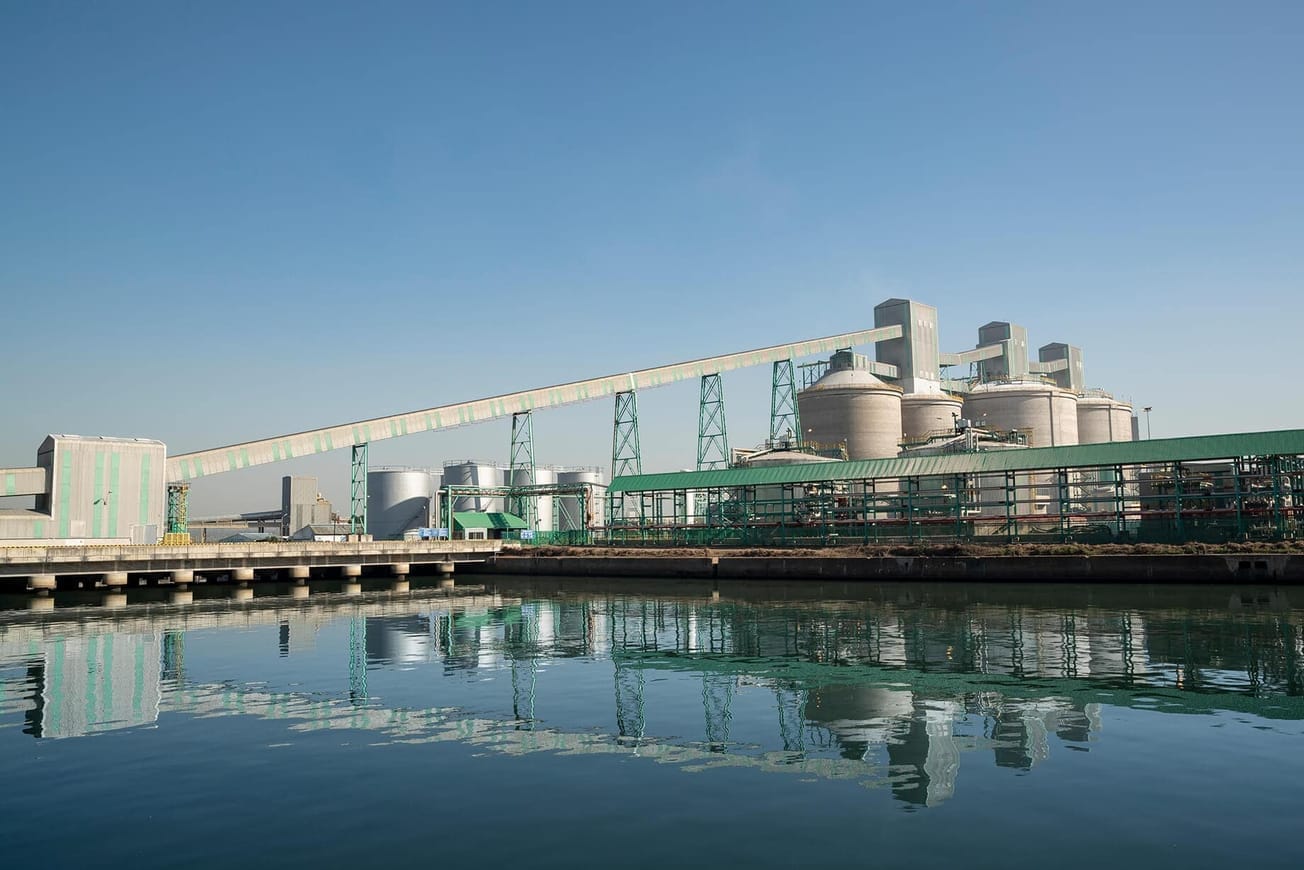
Good afternoon. For months, negotiations over power supply to Mozal have looked like a slow-motion collision between principle and pragmatism. Mozambique’s public line has been firm: the state will not subsidise an aluminium smelter owned by multinational shareholders, and if Mozal cannot secure power on commercial terms, closure is its own decision.
That position remains formally unchanged. But behind the scenes, something important appears to be shifting.
Recent signals suggest Eskom — and by extension South Africa — is stepping into a more central role in the talks. That matters. Not just because Eskom is the counterparty that would ultimately deliver power, but because its deeper involvement changes the politics of the dispute.
The full Daily Briefing continues below for Pro subscribers. Subscribers to the Zitamar News tier can read the top half, including the full leader article, here.
Until now, the standoff has largely been framed as a bilateral issue between Mozambique and South32, Mozal’s majority owner. In that framing, any concession by Maputo risks being portrayed as a subsidy to foreign capital. Eskom’s emergence offers a third axis — one where the negotiation is no longer just about Mozambique giving ground, but about regional energy coordination and shared industrial interest.