TODAY'S BRIEFING
Angola's 2027 political transition is coming into sharper focus, but the signals remain ambiguous. A candid speech by senior MPLA figure Carlos Feijó has fuelled speculation about the ruling party's succession plans, while new UN figures show nearly half of Angolans living in multidimensional poverty. Meanwhile, TAAG's maintenance strike is escalating, access to more than 1,000 flood-affected families in Benguela is being restricted, and regulators have identified serious money-laundering risks in the gambling sector.
- POLITICS — Feijó speech fuels MPLA succession speculation
- POVERTY — Nearly half of Angolans face multiple forms of deprivation, according to UN estimates.
- AVIATION — TAAG turns to retired technicians as its maintenance strike continues.
- HUMAN RIGHTS — Benguela restricts access to a centre housing more than 1,000 flood-affected families.
- FINANCIAL REGULATION — Gambling regulator identifies high money-laundering risks across much of the industry.
- ELECTIONS — Two new parties gain legal recognition as voter-registration efforts intensify.
Feijó speech fuels MPLA succession speculation
A speech by senior MPLA figure Carlos Feijó has prompted fresh speculation about the ruling party's succession ahead of its December congress and Angola's 2027 elections.
Speaking at the MPLA's provincial conference in Cunene last week, Feijó argued that the party could no longer expect its historical record alone to guarantee electoral victory. He called for the MPLA to reconnect with voters, strengthen its organisation and confront corruption — unusually candid language from within the ruling party.
The intervention has subsequently been interpreted by some media as positioning Feijó for a more prominent role in the MPLA's succession. Portugal's Jornal de Negócios, in an analysis published this week, went further, portraying Feijó as taking a step forward as a potential protagonist in the party's transition.
But Feijó has not formally declared himself a candidate for the MPLA leadership or to head its 2027 electoral list, on the evidence we currently have. The significance of the speech lies less in a declared candidacy than in the rarity of a senior MPLA figure publicly acknowledging weaknesses that could threaten the party's electoral position.
Sources: Jornal de Negócios — Feijó takes a step forward · Novo Jornal — MPLA congress preparations
WHAT TO WATCH
Whether Feijó himself clarifies his ambitions, or other senior MPLA figures begin making similarly candid interventions before the 9–10 December congress.
Nearly half of Angolans live in multidimensional poverty, UN estimates
Almost half of Angola's population — 49.3%, or approximately 18.7 million people — lives in multidimensional poverty, according to the 2026 Global Multidimensional Poverty Index published by the United Nations Development Programme (UNDP) and Oxford University's Poverty and Human Development Initiative.
The index measures deprivation across health, education and living standards, rather than income alone. It captures problems such as inadequate sanitation, poor housing, limited access to electricity, interrupted schooling and child malnutrition.
The findings are particularly concerning at the more severe end of the scale. An estimated 29.6% of Angolans — approximately 11 million people — experience severe multidimensional poverty, while another 14.8% are classified as vulnerable to multidimensional poverty.
The report also indicates that the absolute number of Angolans living in multidimensional poverty increased from approximately 15.1 million in 2015–16 to 17.2 million in 2023–24. These figures refer to different survey periods and should not be interpreted as a direct measurement of changes during 2026.
Living-standard deprivations account for 46.2% of Angola's multidimensional poverty index, followed by education at 29.9% and health at 23.9%.
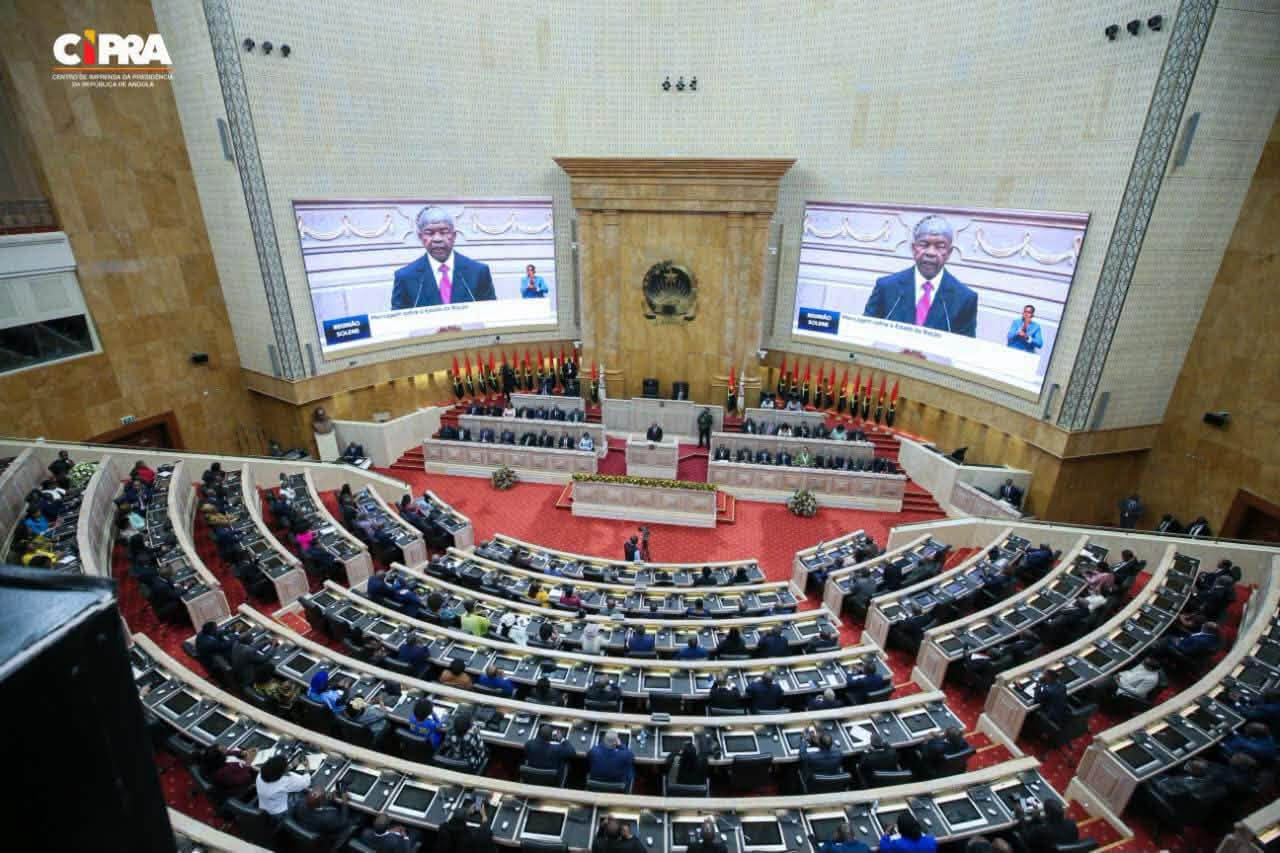
The publication comes immediately before President João Lourenço's State of the Nation address on Thursday. Opposition parties have called on him to address food insecurity, medicine shortages and deteriorating living conditions, according to Correio da Kianda.
Sources: Economia & Mercado — UNDP poverty findings · SAPO — UN global poverty report