🇦🇴 Zitamar today launched a new Angola Briefing, with a webinar hosted by Fernando Lima with analysts Claudio Silva in Luanda, and Ines Silva in Lisbon.
The recorded webinar is available at www.angolabriefing.com, where you can also sign up to receive a newsletter similar to the Zitamar Daily Briefing. Look out for the podcast version too.
 Fernando Lima and Cláudio Silva and ines.silva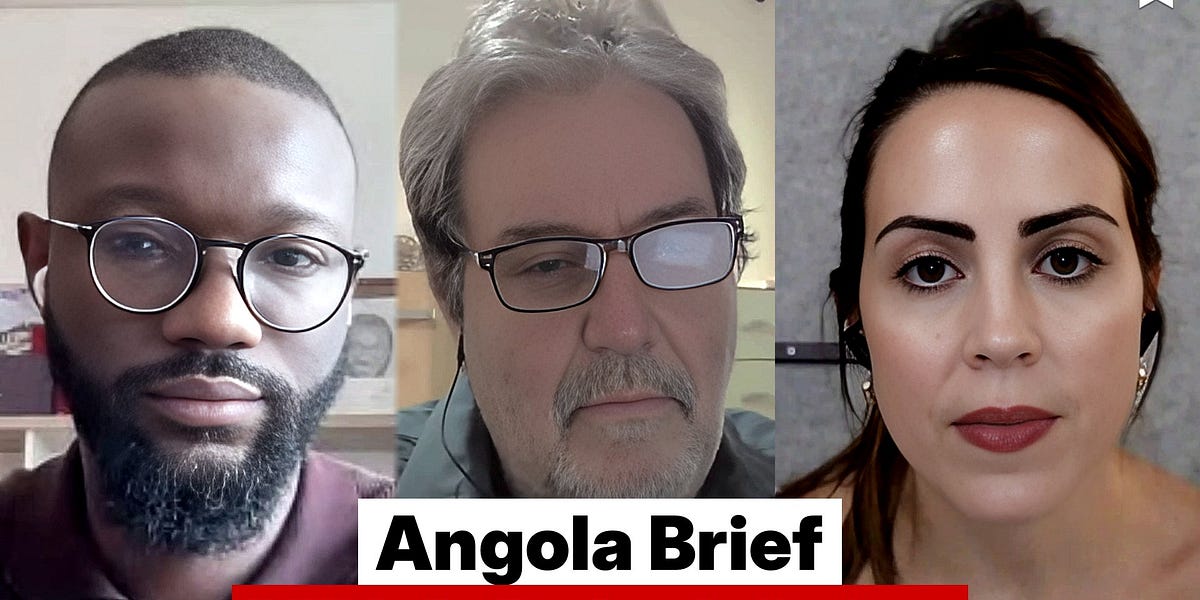
Good afternoon. President Daniel Chapo struck a familiar note this week as he addressed supporters in Nampula. Mozambicans, he said, should remain vigilant against "enemies of peace and national unity", going on to warn of "the people who killed your brother, claiming they had won the elections".
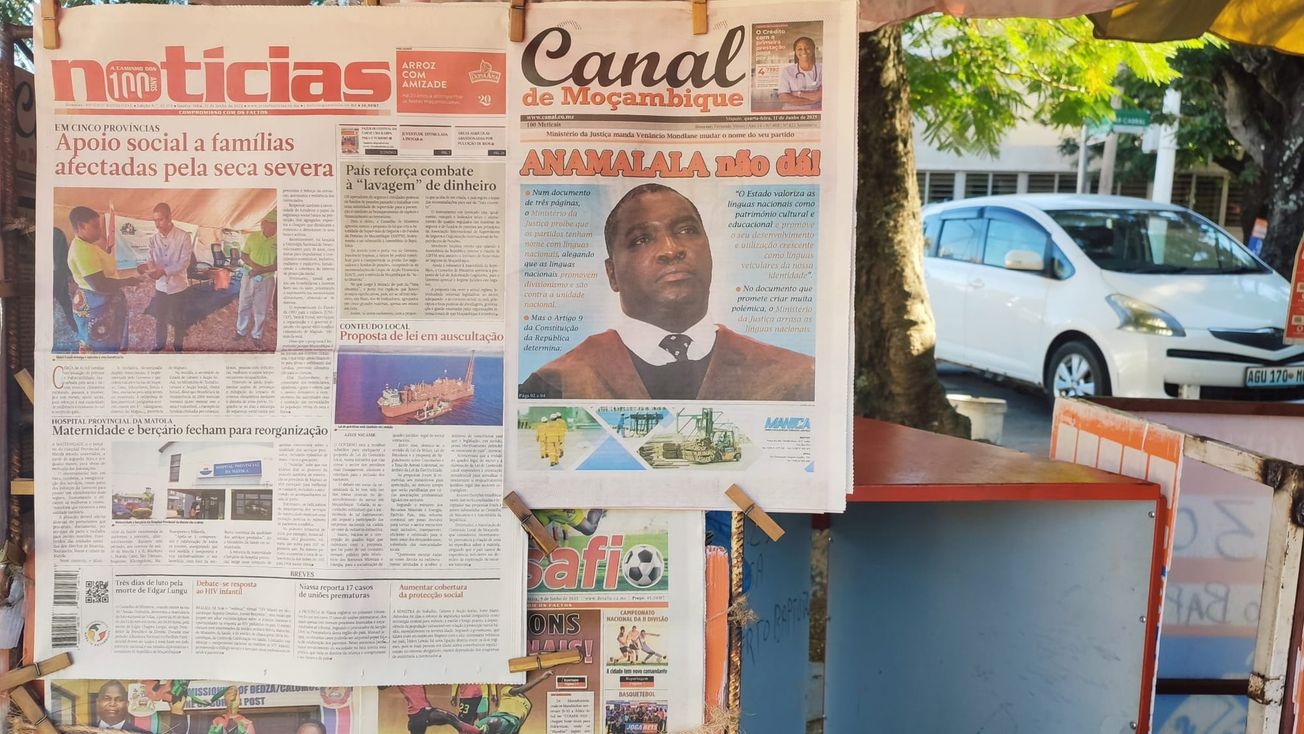
It was a clear reference to opposition figurehead Venancio Mondlane and supporters of him and his new party, Anamola. The confrontational, accusatory rhetoric is not new — but it is increasingly jarring in the context of other moves in the direction of reconciliation.
Earlier this month the government hosted a national conference on transitional justice, bringing together ministers, academics, religious leaders and civil society organisations to consider how Mozambique should deal with the legacy of the post-election crisis. The discussion was not simply about creating a truth commission or compensation fund. Participants repeatedly returned to broader themes: acknowledging what happened, rebuilding trust between citizens and the state, strengthening institutions and ensuring that political violence is not repeated. Reconciliation, several speakers argued, depends not only on justice but also on a shared understanding of the past.
 Zitamar News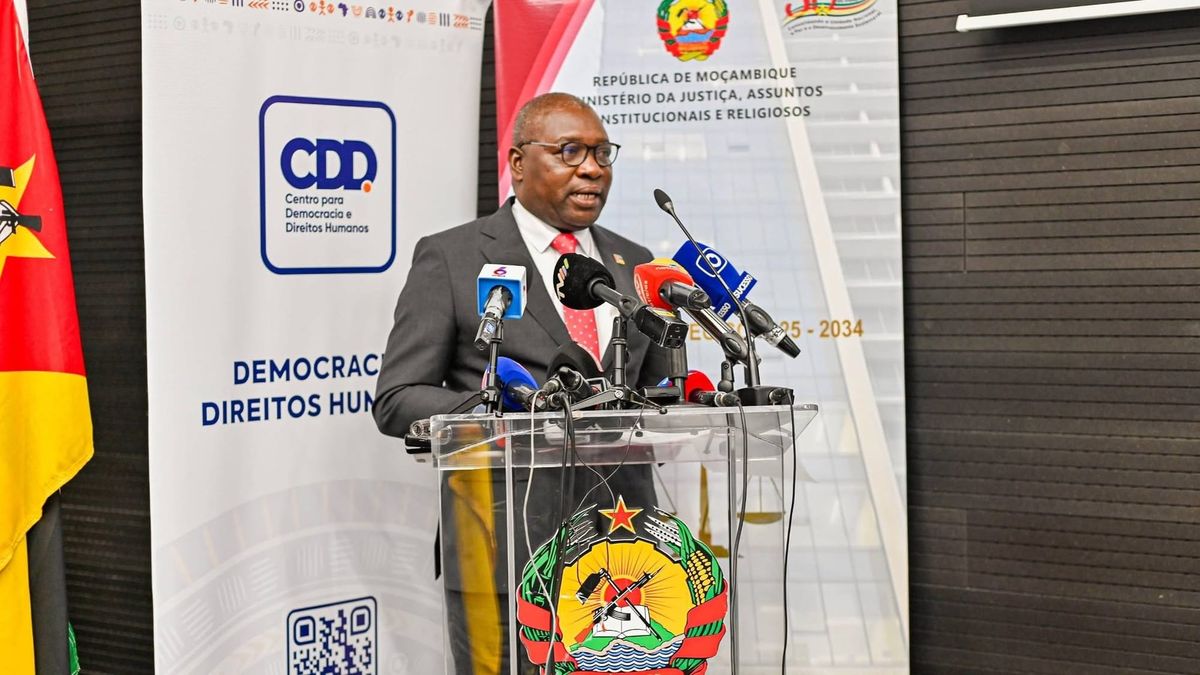
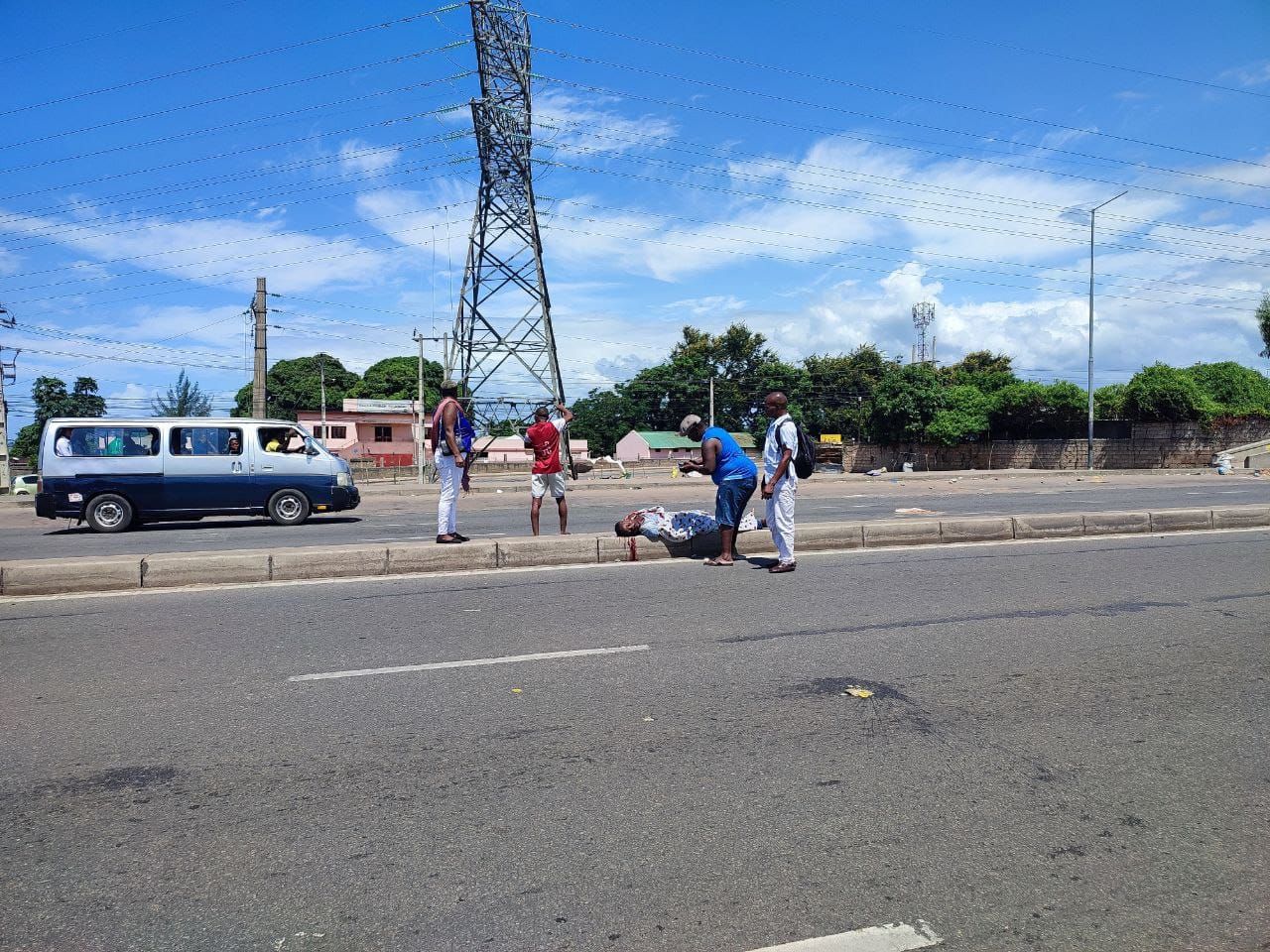
Chapo’s remarks illustrated just how far Mozambique still is from achieving that. While opposition supporters were responsible for violence, attacks on public buildings, looting and widespread destruction of property after the last elections, state security forces were responsible for at least as many deaths—and almost certainly considerably more—during their response to demonstrations. Any process of transitional justice worthy of the name will eventually have to reckon with both realities — not to mention the widespread belief that the election itself was stolen to secure Daniel Chapo's victory.
The problem is not confined to one side. Mondlane has shown little interest in lowering the political temperature either, recently calling Chapo mata-reza — literally, a "kill-pray" — in a deliberately provocative reference to the deaths that followed the election, contrasted with his performative visits to religious institutions. His response this week to Chapo's claim that the two men remain in contact was equally provocative, saying the only communication between them had come through the continued persecution and killing of ANAMOLA supporters.