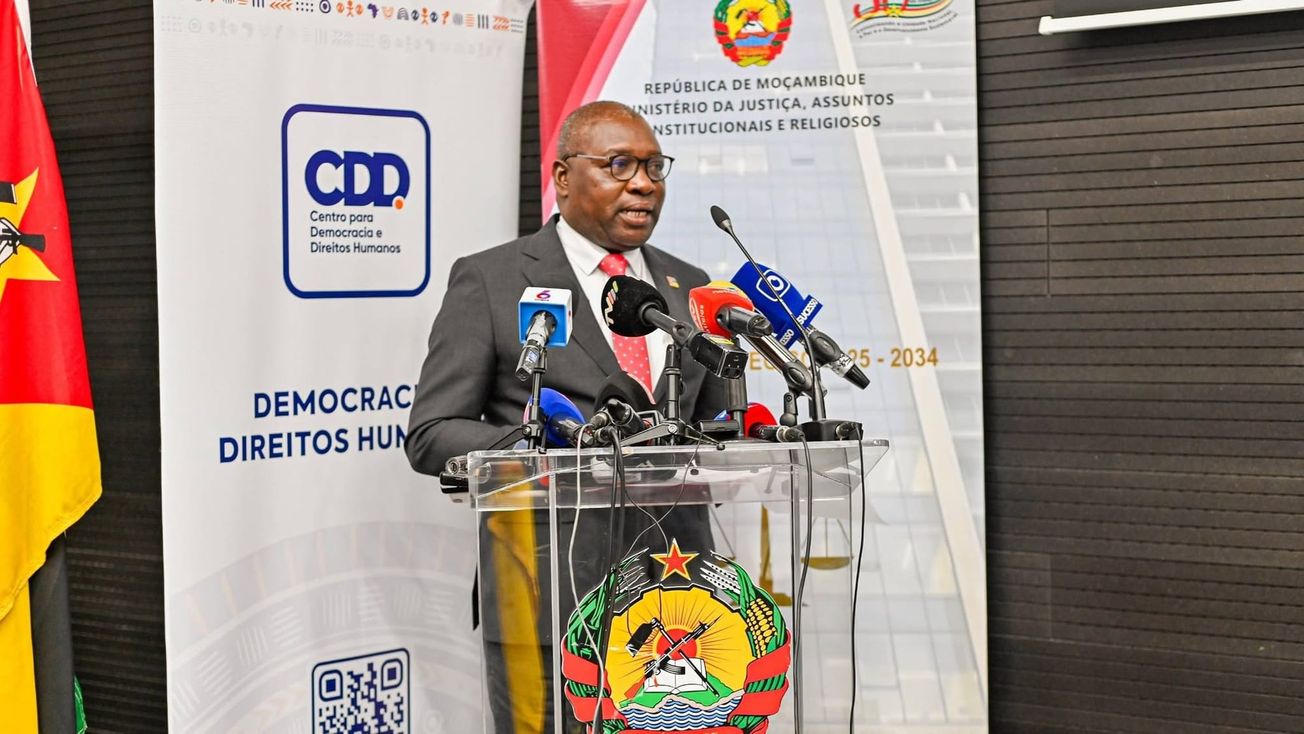
Good afternoon. Something unusual happened in Maputo this week. For the first time, senior representatives of the Mozambican state sat alongside civil society to discuss transitional justice — how the country should confront the legacy of political violence, compensate victims and prevent future abuses. On the platform were the Ministers of Justice and the Interior, representatives of the Attorney-General's Office and the police, diplomats, academics and victims themselves.
That may not sound remarkable in many countries. In Mozambique, it is.
For decades, the state's instinct has been to look forward rather than back. The civil war ended without a truth commission. The political violence that followed was managed through negotiated settlements rather than public reckoning. In the context of the insurgency in Cabo Delgado and the deadly post-election violence of 2024, official discussion has focused largely on restoring order rather than examining responsibility.
The full Daily Briefing continues below for Pro subscribers. Subscribers to the Zitamar News tier can read the top half, including the full leader article, here.
The latest from Zitamar News:
 Alexandre Nhampossa
This week's conference, organised by Mozambique’s non-governmental Centre for Democracy and Human Rights (CDD) and supported by George Soros’s Open Society Foundations, suggested that may be beginning to change. Interior Minister Paulo Chachine acknowledged that Mozambique's recent history — from armed conflict to violent extremism and the post-election unrest — demonstrates that peace cannot be taken for granted. He spoke of the need for professionalism, legality and proportionality in policing demonstrations, and reaffirmed that the police should act impartially and in accordance with the Constitution.
Those are welcome statements. They would have been difficult to imagine from a government platform only a year ago.
But equally significant was what remained unsaid. The conference addressed the consequences of violence — victims, reparations, institutional reform and guarantees of non-repetition — but stopped short of confronting its causes. No senior official acknowledged that the post-election protests were driven by widespread allegations of electoral fraud, nor was there any suggestion of responsibility for the excessive use of force that accompanied the state's response. Civil society, led by CDD, argued that reconciliation cannot be built on silence. "There is no reconciliation without truth," CDD head Adriano Nuvunga told participants.