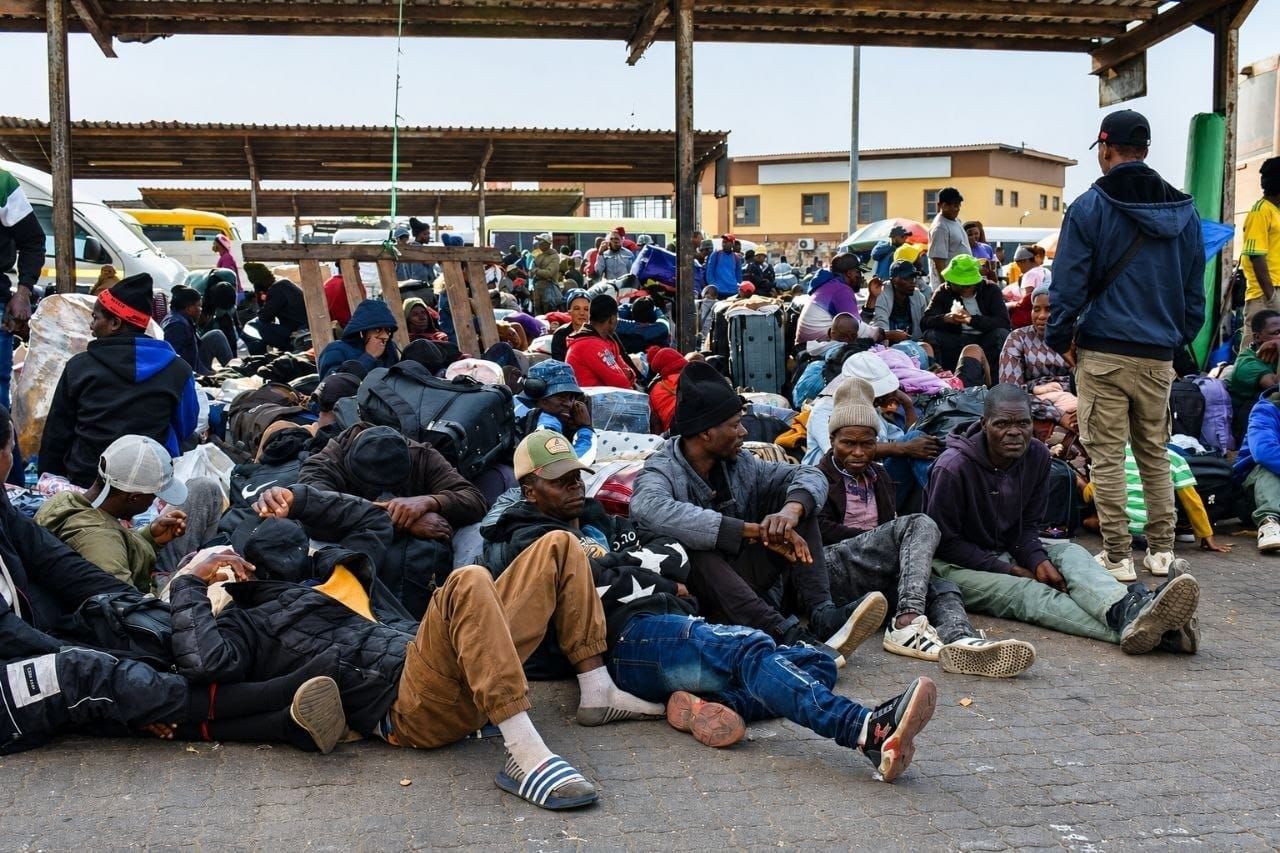
Good afternoon. Demand has risen sharply in Maputo for the brown passport, the special travel document issued to Mozambicans legally recruited for work in South African mines and on commercial farms. The increase follows the latest wave of xenophobic intimidation, which has forced hundreds of Mozambicans to return home.
At first glance, it might seem surprising that people recently driven out of South Africa are already looking for documents that could enable them to go back. In reality, it reflects an economic relationship that neither xenophobic movements nor presidential promises can easily undo.
The full Daily Briefing continues below for Pro subscribers. Subscribers to the Zitamar News tier can read the top half, including the full leader article, here.
South Africa remains the natural destination for Mozambican migrant labour. It is nearby, its economy is vastly larger, and generations of Mozambicans have built family, commercial and employment links across the border. Portugal and the Gulf states may offer opportunities to some workers, but they are not realistic substitutes for the large numbers of people who have traditionally found work in South Africa’s mines, farms, construction sites, shops and informal economy.
The challenge is enormous. The IMF estimates that around 500,000 young Mozambicans enter the labour market every year. No realistic combination of LNG, public-sector hiring or overseas recruitment schemes comes close to absorbing that number.
President Daniel Chapo has suggested that returning migrants could find jobs in Mozambique’s expanding oil and gas projects or through labour agreements with countries farther afield. Those possibilities should be explored, but they cannot absorb more than a fraction of the country’s unemployed and underemployed workforce. LNG projects employ thousands during construction, not the hundreds of thousands Mozambique needs to accommodate, while overseas recruitment programmes are necessarily selective and limited.