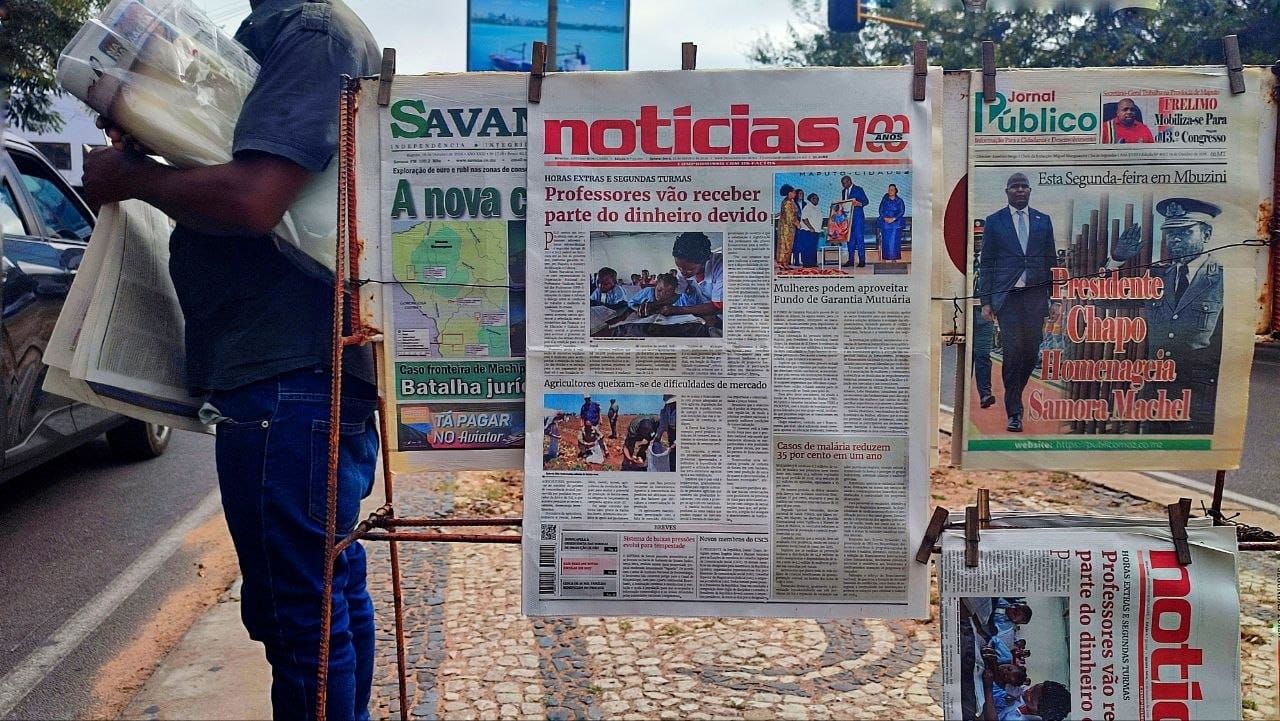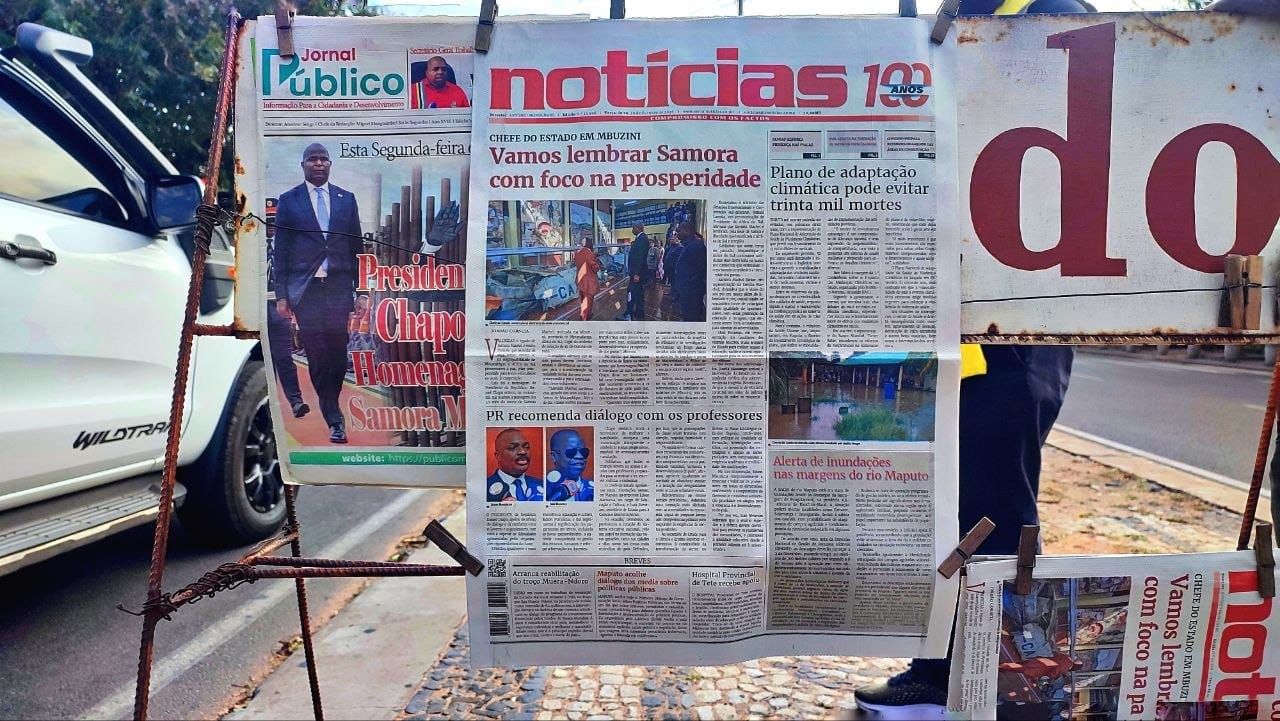
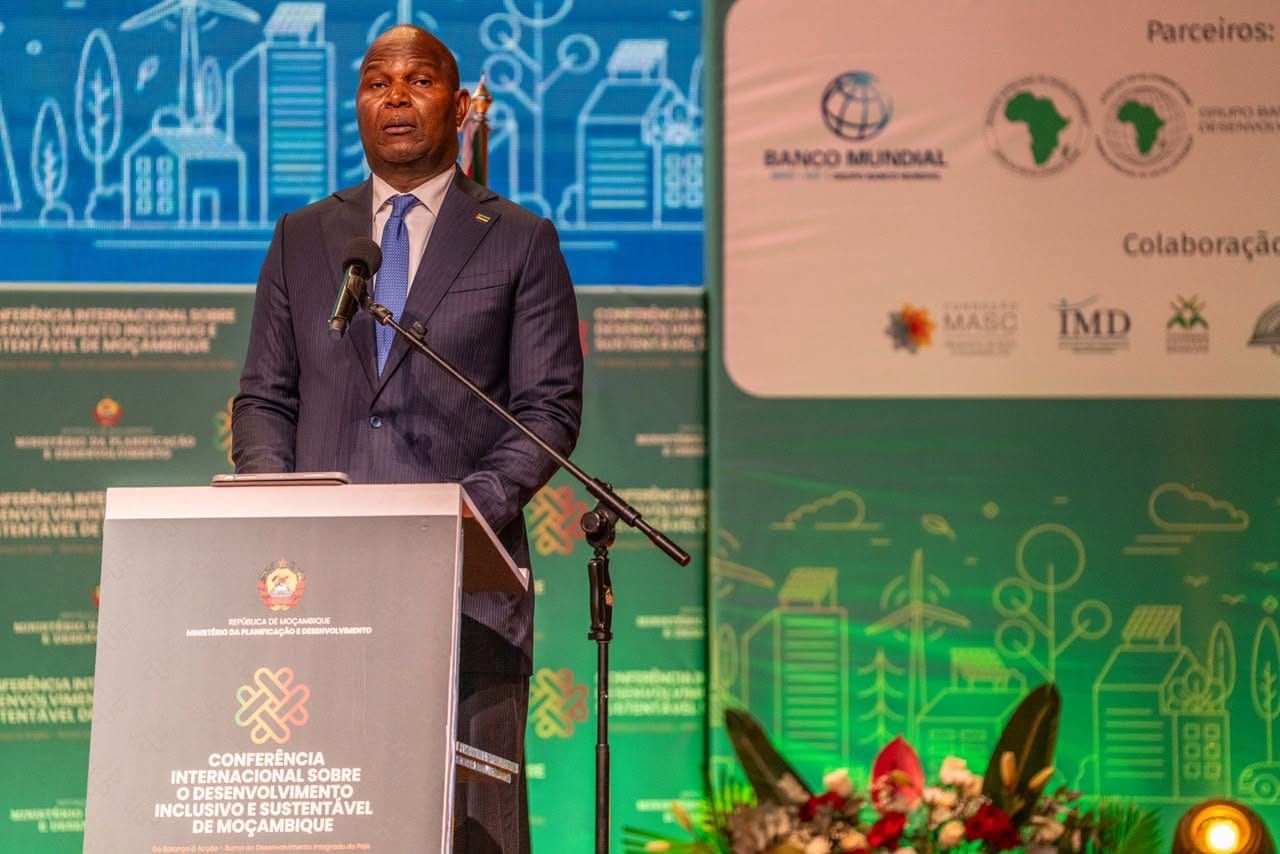
Good morning and welcome to yesterday’s daily. There was a striking consensus at this week's International Conference on Inclusive and Sustainable Development. President Daniel Chapo, the World Bank and the European Union all came with the same message: Mozambique's natural resources will not, by themselves, deliver prosperity.
Chapo spoke of ending the divide between extractive megaprojects and the wider economy. The World Bank argued that revenues from gas and minerals should finance infrastructure, education, health and stronger institutions. The European Union stressed the importance of governance and sound policy choices. Even Akinwumi Adesina, the former president of the African Development Bank, urged Mozambique to use its natural resources to drive wider economic transformation.
The full Daily Briefing continues below for Pro subscribers. Subscribers to the Zitamar News tier can read the top half, including the full leader article, here.
That represents an important shift in strategy. Fifteen years ago, the focus was on attracting LNG investment. More recently, attention turned to local content and jobs, state participation, and industrial projects to use Mozambique’s domestic allocation of the gas. Yesterday's discussion implicitly recognised that none of those, on their own, will transform Mozambique's economy — a welcome dose of realism.