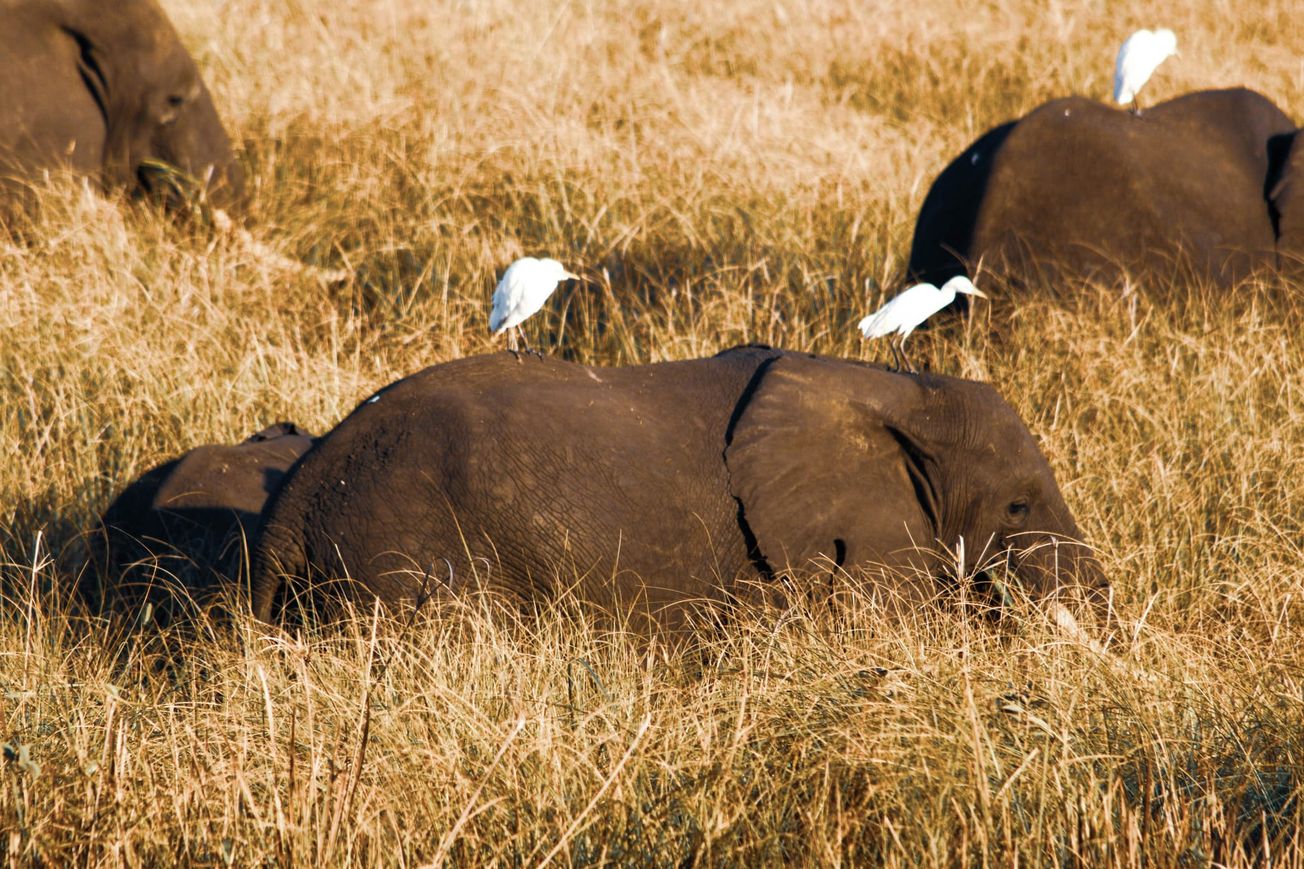
Good afternoon. The dismissal of the managers of the Muthemba and Gaza Safari concessions, together with investigations into alleged wildlife offences and blocked community roads, is ostensibly a local administrative matter. But it raises a much broader question: how should Mozambique govern the land it has set aside for wildlife conservation and tourism?
Conservation in Mozambique is not simply about protecting animals. Wildlife concessions are expected to attract investment, create jobs, generate tourism revenue and conserve biodiversity. At the same time, they occupy landscapes where communities have long lived, farmed, grazed livestock and travelled between villages.
The full Daily Briefing continues below for Pro subscribers. Subscribers to the Zitamar News tier can read the top half, including the full leader article, here.
The latest from Zitamar News:
 Zitamar News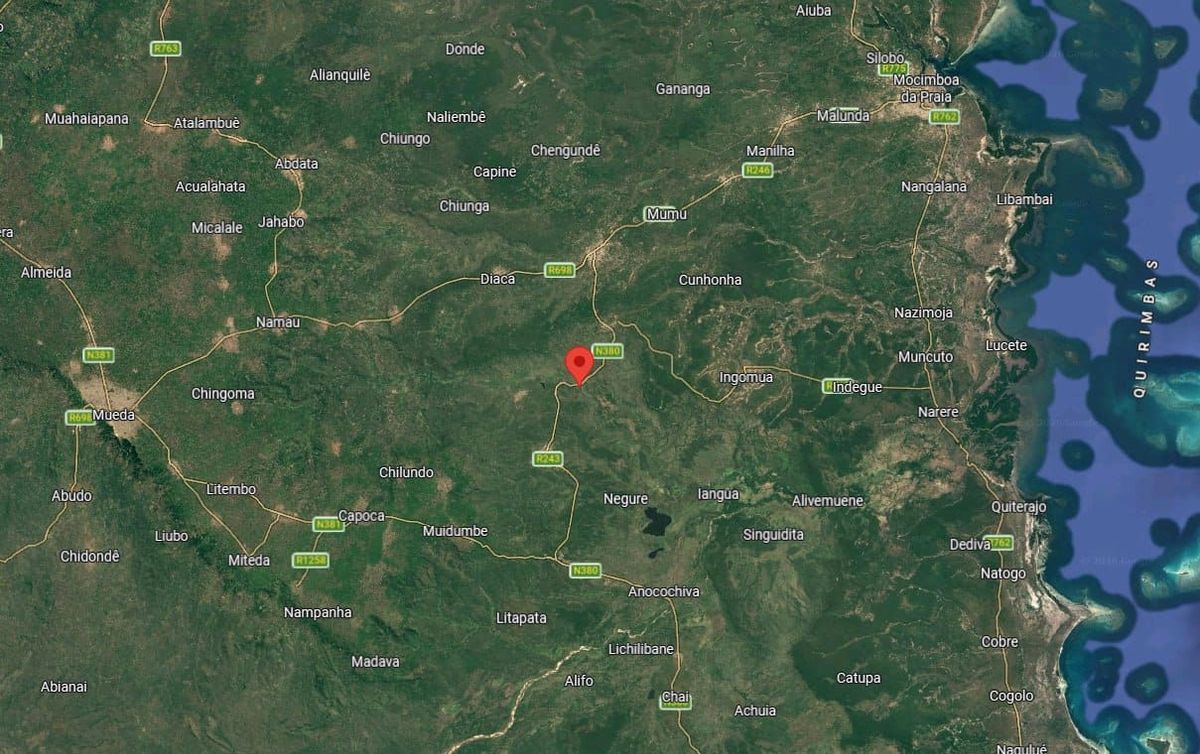
If concession managers have unlawfully blocked public roads, the government is right to investigate. Protected areas cannot become private kingdoms where neighbouring communities lose access to schools, markets or health centres. Wildlife may be a national asset, but so is freedom of movement.
But investors need confidence that disputes will be handled through transparent procedures rather than sudden political intervention. Tourism and conservation projects require long-term capital and patient management. If operators believe their position depends as much on political winds as on complying with the law, Mozambique risks discouraging precisely the investment it says it wants.