Good afternoon. Mozambique’s government says it will allocate MZN6bn ($94m) a year to repay small businesses supplying the state. It also plans to put approximately MZN6.4bn ($100m) a year into its new Development Bank. The similarity between those figures exposes a strange ordering of priorities.
The Development Bank is intended to provide companies with affordable, long-term finance. Yet the state is already depriving businesses of working capital by failing to pay for goods and services it has received. Suppliers waiting for overdue invoices must borrow, postpone investment, dismiss employees or close. Some are effectively financing the government without choosing to do so.
The full Daily Briefing continues below for Pro subscribers. Subscribers to the Zitamar News tier can read the top half, including the full leader article, here.
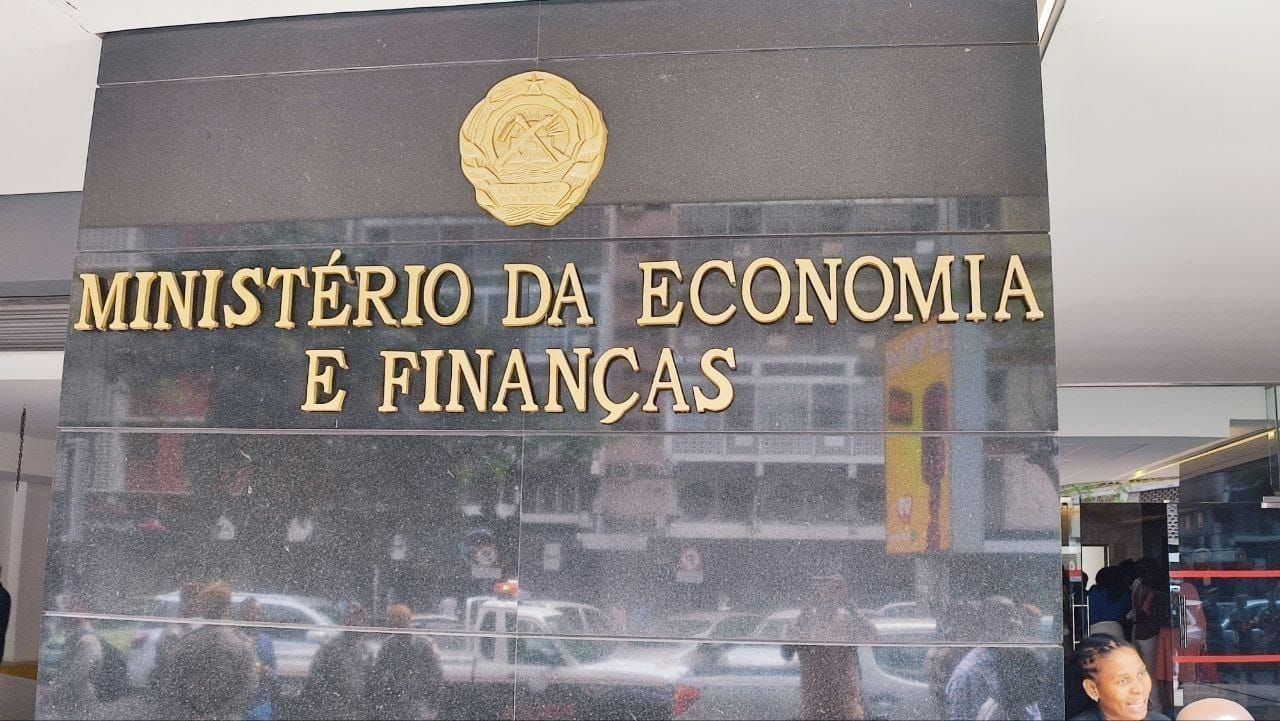
Finance Minister Carla Loveira has put the state’s accumulated obligations to suppliers at MZN81.3bn ($1.27bn). The precise composition of that figure needs clarification: the MZN38.9bn in recorded arrears and approximately MZN33bn in potential liabilities identified in reporting add up to slightly less, at MZN71.9bn. Whichever total is correct, annual payments of MZN6bn would address only a small part of it.
Companies have complained about unpaid invoices for years, while the “pay to get paid” corruption investigation has exposed allegations that officials demanded bribes to move legitimate payments through the system. When the state cannot pay everyone, administrative discretion determines who is paid first—and that discretion acquires a market value.