Good afternoon. It has not been a good few months for Mozambique’s army of political commentators. Late last year, they insisted that the country was being blackmailed by South32, the Australian majority owner of the Mozal aluminium plant. In August, South32 warned that it was starting to reduce operations and maintenance at the plant, since it was pessimistic about reaching a deal on an electricity supply contract to replace the one due to expire in March 2026. The commentators were incredulous. South32 could not be serious. It was blackmailing, trying to commit daylight robbery. It just wanted to plunder the country’s wealth. At the last minute it would back down and agree a deal. The country did not need Mozal anyway. It could sell the electricity to someone else, for a better price.
Of course, no deal was agreed and in December, South32 confirmed that it would indeed shut down operations at Mozal in March, after the power supply contract and the existing supply of raw materials ran out. Suddenly it became apparent that the company was not bluffing. Instead of South32’s alleged blackmail and robbery, the concern became the roughly 20,000 people who would lose work because of the closure: not just Mozal employees and external contractors, but people who sold goods and services to those people.
The full Daily Briefing continues below for Pro subscribers. Subscribers to the Zitamar News tier can read the top half, including the full leader article, here.
The latest from Zitamar News:
 Zitamar News
 Zitamar News
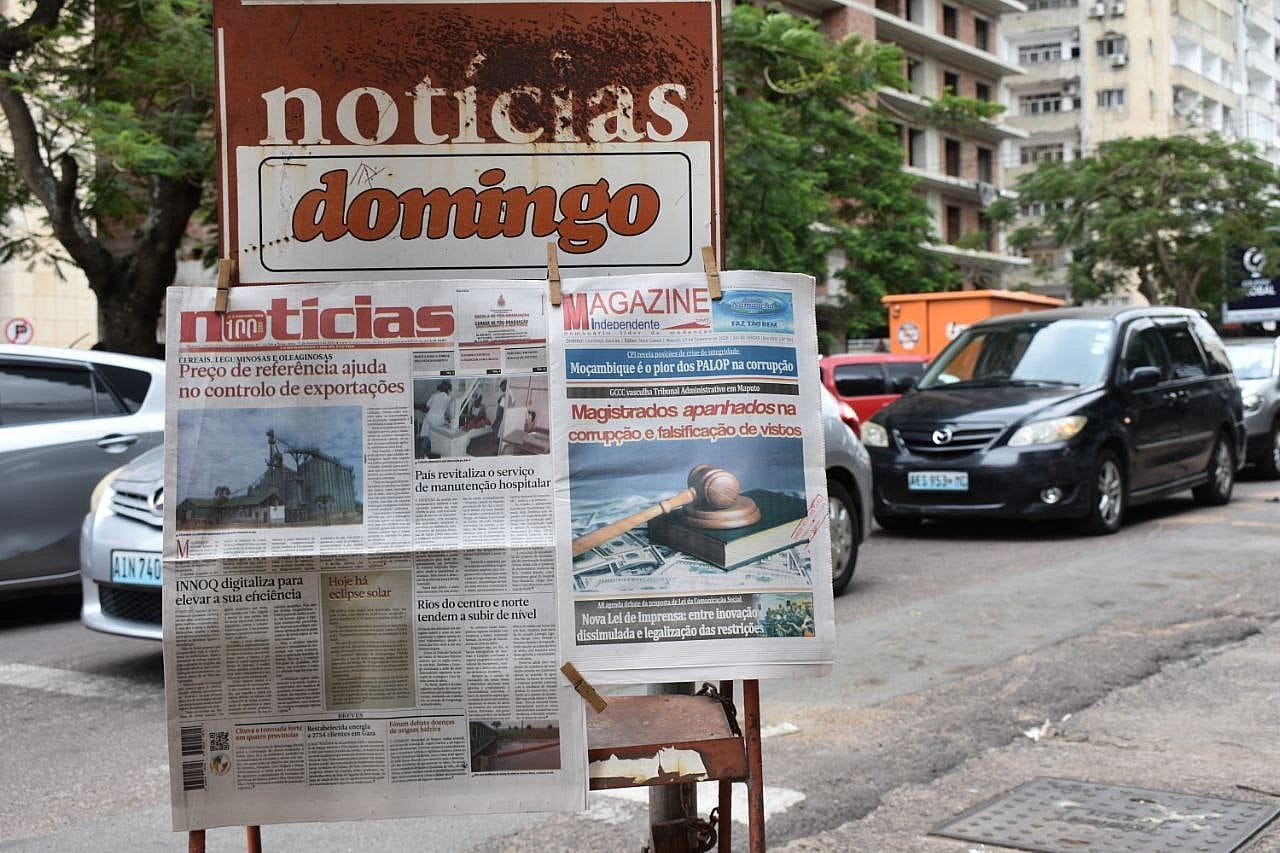
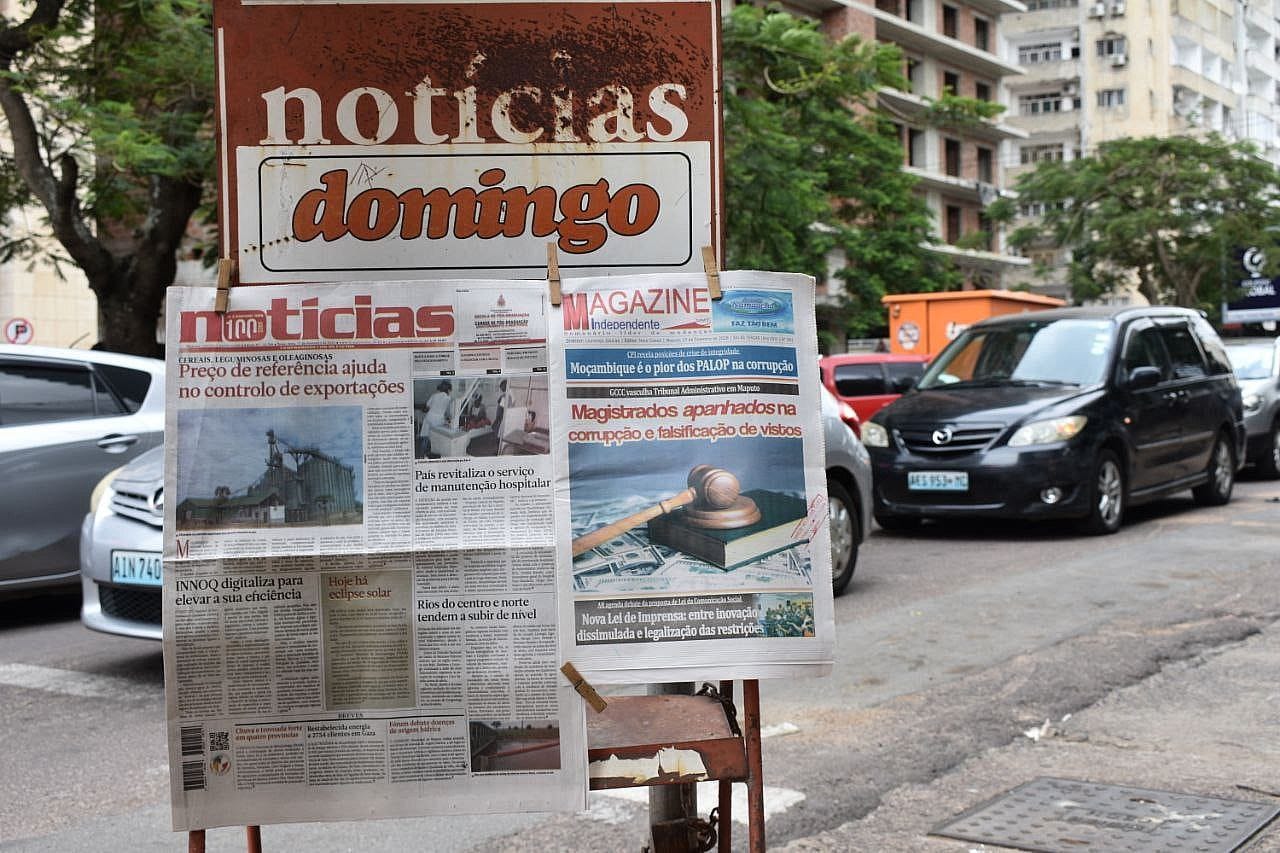
It is easy to laugh at opinionated people who fill up space on newspaper pages and social media feeds, and airtime on TV, with their ill-informed opinions. But in fact, many of these loudmouths were not just talking off the tops of their heads. They were being briefed by equally opinionated politicians, mostly in Frelimo but also in opposition parties. The resulting climate of economic nationalism put the government on the defensive, although it probably did not make a difference to the outcome: as this newsletter noted recently, the government had told a commission to look at options for Mozal’s future. It (the government) had come to the conclusion that it did not want to keep the plant open at all costs, and that it might be sold to another investor after being shut down.