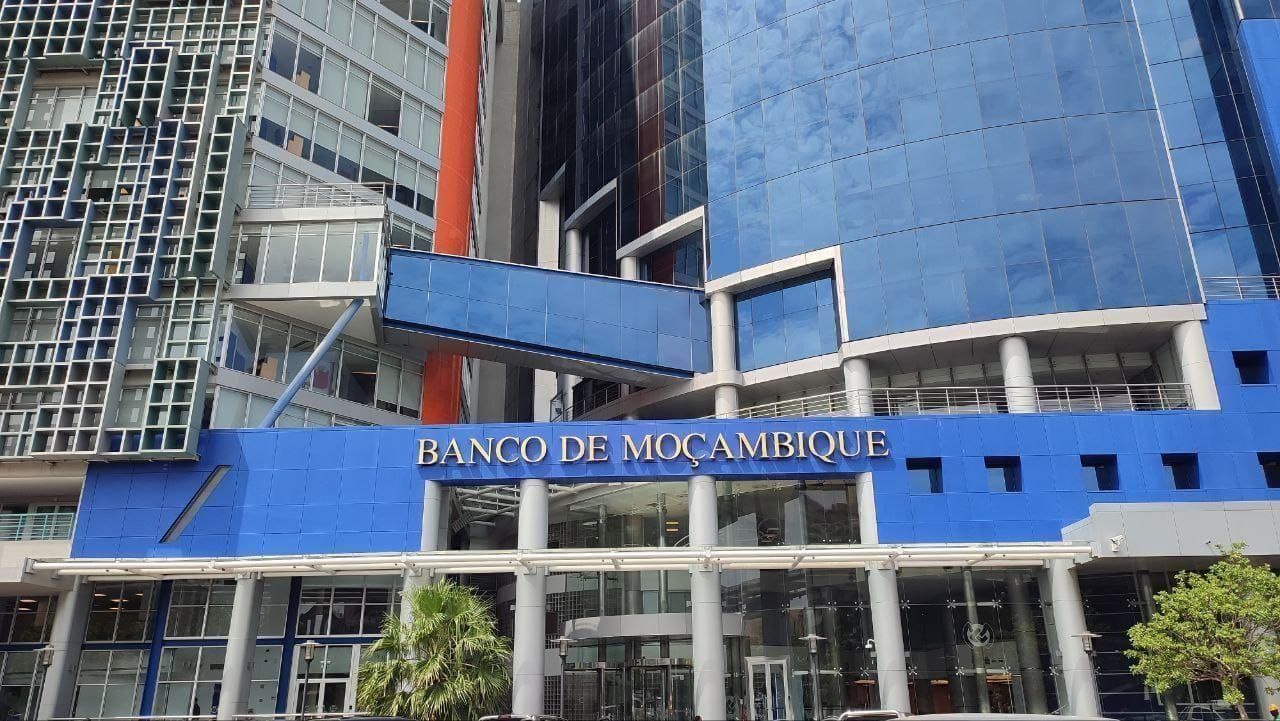
Good afternoon. The Bank of Mozambique reminded lenders this week that they can freeze an account when they have reasonable grounds to suspect fraud, money laundering or terrorist financing. They do not need to wait for a court order.
The power is not new. It comes from laws passed in 2022 and 2024. But the central bank’s decision to publicise it may encourage banks to use it more often.
The full Daily Briefing continues below for Pro subscribers. Subscribers to the Zitamar News tier can read the top half, including the full leader article, here.
The latest from Zitamar News:
 Alexandre Nhampossa
 Zitamar News
There are good reasons for allowing them to act quickly. Money stolen through bank fraud can pass through several accounts within minutes. Waiting for investigators or a court may give criminals enough time to move it beyond reach. A temporary freeze can protect both the victim and the banking system.
The problem is that the customer loses access to the money before anyone has established that a crime occurred. A bank has 48 hours to explain its decision to the central bank, which then has another 48 hours to decide whether the restriction should continue. Other safeguards apply when prosecutors order a freeze during a criminal investigation.