Good afternoon. It has been ten months since the International Monetary Fund (IMF) suspended its loan programme with Mozambique. Daniel Chapo, who had been Mozambican president for only about three months at the time, presented it as a result of the new government needing to agree a new programme aligned with its priorities, but the truth is that the IMF pulled the plug because the government was failing to meet its targets. Chapo and his ministers spent much of last year talking about a new deal and how that was going to be agreed soon, but we are still waiting. The signs are not good: the report from the IMF’s last visit to Mozambique, in November, has still not been published after three months. That suggests that there are some major differences between the IMF and the government that have not yet been ironed out.
The IMF is a controversial body, and not everyone likes its favourite diet of public spending cuts and tax rises. But agreeing a deal with the IMF is important for the government, not so much for the cheap loan it would bring as for the confidence it would give to foreign donors, development banks and private investors that they can put their money in Mozambique.
The full Daily Briefing continues below for Pro subscribers. Subscribers to the Zitamar News tier can read the top half, including the full leader article, here.
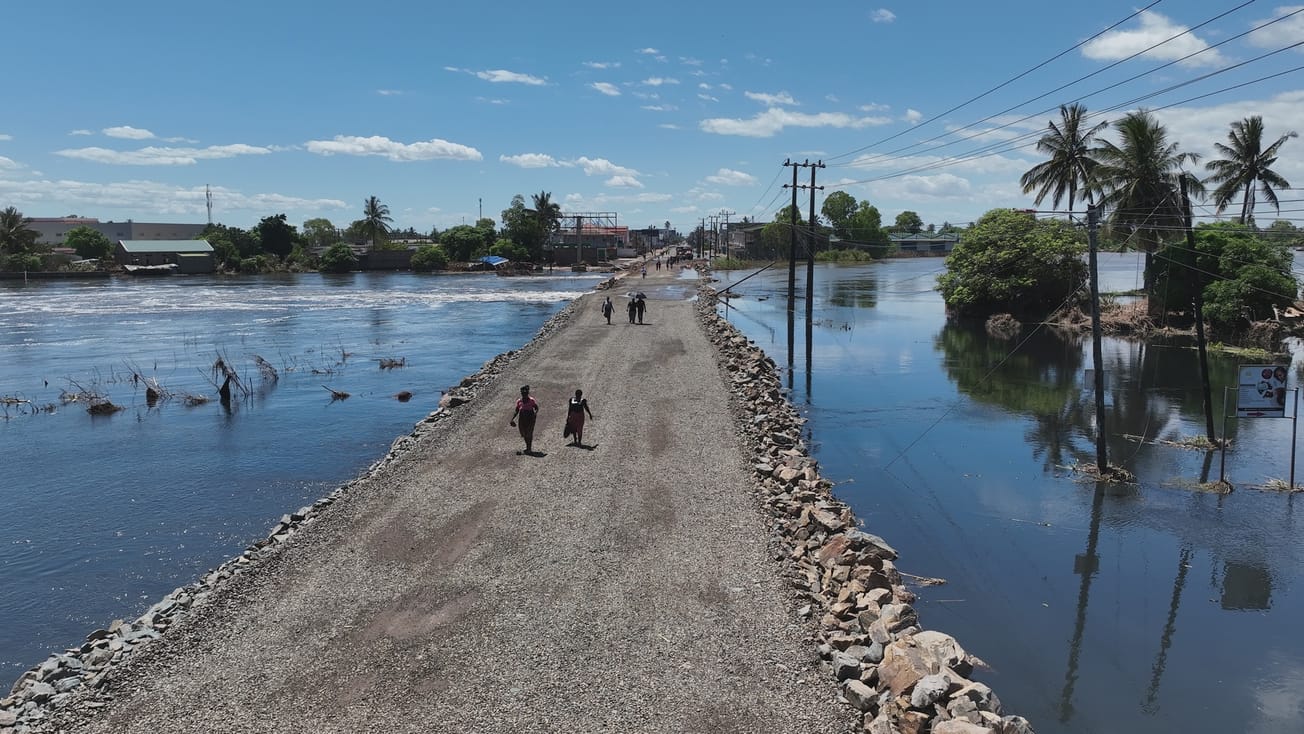
The Mozambican economy should be bouncing back after the miserably low 1.1% growth recorded last year, when the country was recovering from violent protests related to the disputed 2024 elections. But at the moment, business confidence is low, as reflected in the purchasing managers’ index compiled by Standard Bank. Last month’s index showed a figure of 50, reflecting no change up or down in business conditions. The damaging floods of last month are a factor, but not the only one. Hiring is not increasing greatly and business activity is flat. It is not hard to see why there is a lack of confidence. From the failure to reach a deal with aluminium maker Mozal, to the sudden decision to impose government control on rice and wheat imports, to the uncertainty over the content of laws on natural resources and local content, the policy and regulatory framework for business looks unstable and unpredictable.