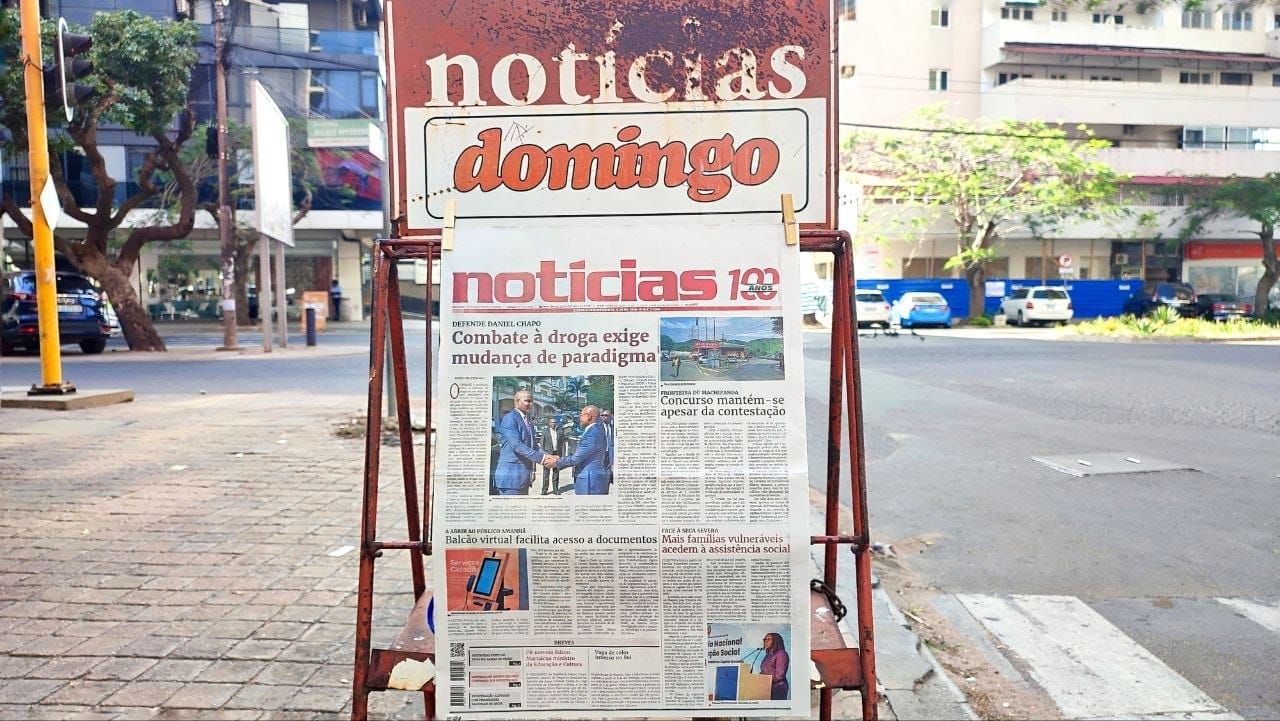
Good afternoon. Mozambique is beginning to discuss the commercial possibilities of a plant it still treats as a police matter. The national drugs conference organised by the Attorney General’s Office (PGR) in Maputo last week considered the possible legalisation of controlled cannabis production, sale and consumption. Its closing declaration acknowledges the plant’s medicinal and scientific potential and its place in other countries’ formal economies. Commercial applications include pharmaceutical products and hemp fibre for textiles, giving the debate relevance beyond drug policy. That opens a useful discussion, but leaves unresolved the position of the farmer growing a few plants for himself.
The declaration records discussion of legalisation without setting out a proposed licensing system or explaining what would happen to personal consumption. It also refers to recommendations in a separate final document. There is consequently no basis yet for announcing a change in government policy. There is, however, enough to expose the choice ahead. Mozambique could create a legal business for investors while leaving small growers subject to the criminal law.
The full Daily Briefing continues below for Pro subscribers. Subscribers to the Zitamar News tier can read the top half, including the full leader article, here.
That would be a familiar way of distributing opportunity. A company with capital, lawyers and access to officials could obtain permission to cultivate cannabis. A farmer growing the same plant behind his house could remain liable to prosecution. Commercial production needs controls that personal cultivation does not, but those differences cannot by themselves justify treating the farmer as a criminal.
The political argument is already on the table. In June last year, Nova Democracia proposed a public consultation on decriminalising consumption and legalising cultivation. Across the border, South Africa’s Constitutional Court decriminalised private adult use, possession and cultivation for personal consumption in 2018. It did not authorise unrestricted commercial sales. The distinction allows a country to stop prosecuting private behaviour without abandoning control over the market.