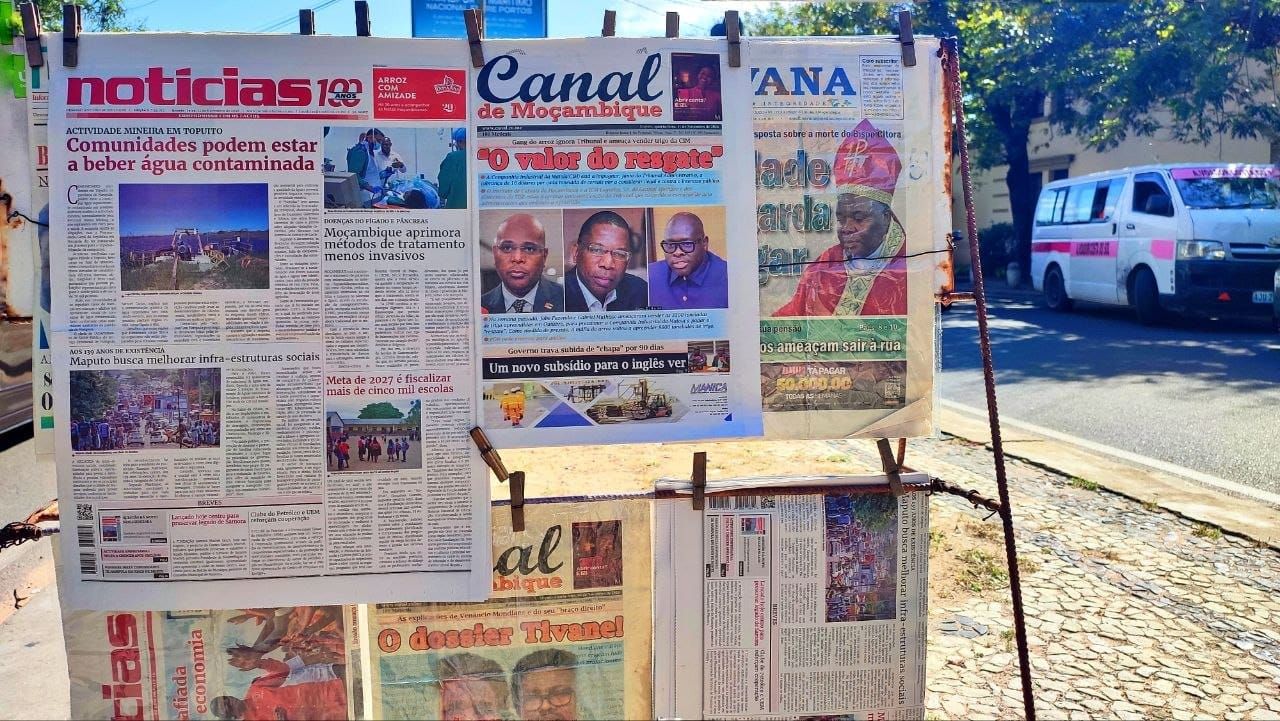
Good afternoon and welcome to yesterday's newsletter. Mozambique has hundreds of mining titles that have produced no mining. According to the Administrative Court's assessment of the 2025 State General Account, 169 holders of mining concessions and 371 holders of small-scale mining certificates have not begun operations. Of these, 67 concession holders and 72 certificate holders have been inactive for more than a decade.
The court found no evidence that the government had granted extensions on grounds of force majeure to justify these prolonged delays. It recommended tighter supervision of licence holders, their financial capacity and progress towards development.
The full Daily Briefing continues below for Pro subscribers. Subscribers to the Zitamar News tier can read the top half, including the full leader article, here.
The latest from Zitamar News:
 Zitamar News
The findings come five months after Mozambique introduced a new Mining Law, Law 7/2026, which appears designed to address precisely these problems. Applicants must demonstrate technical experience and adequate financial resources. Concession holders must begin developing their mines within 24 months and production within 48 months. Transfers of mining rights, including indirect transfers through company shareholdings, require government approval.
But the law protects rights acquired under existing mining concessions and contracts. Its provisions apply when those titles are extended or contracts renewed. Many of the concessions identified by the Administrative Court could therefore remain subject to the previous legal framework for years.
That should not prevent action. The 2014 Mining Law also imposed deadlines and provided for extensions where delays were properly justified. The court's findings suggest the problem was not simply inadequate legislation. It was the failure to enforce the rules already in place.