
By the Numbers
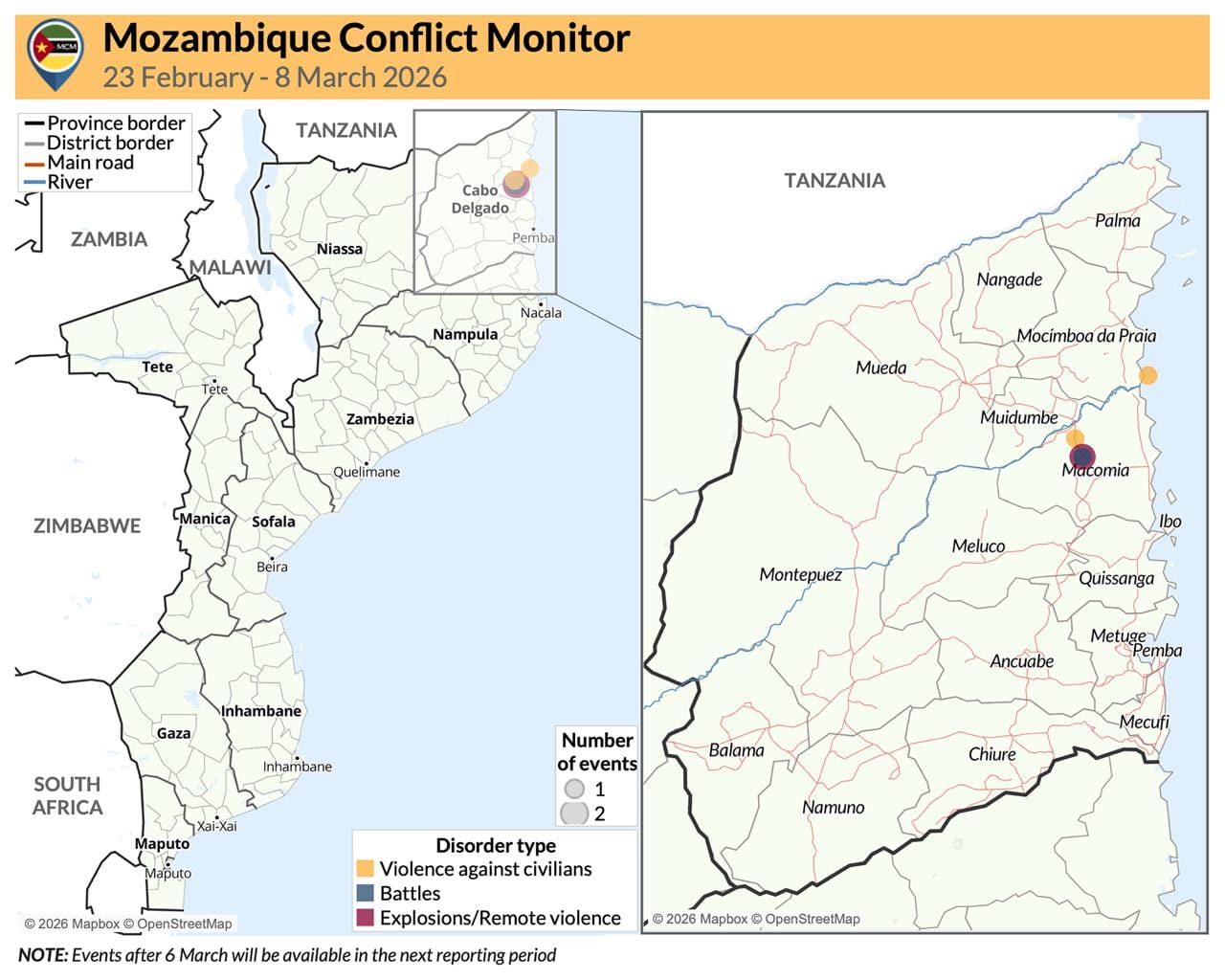
Data highlights in Cabo Delgado province (23 February - 8 March 2026)
At least 5 political violence events (2,338 in total since 1 October 2017)
At least 30 total reported fatalities from political violence (6,498 since 1 October 2017)
At least 2 reported civilian fatalities (2,721 since 1 October 2017)
At least 4 political violence events involving ISM across Mozambique (2,168 since 1 October 2017)
Overview
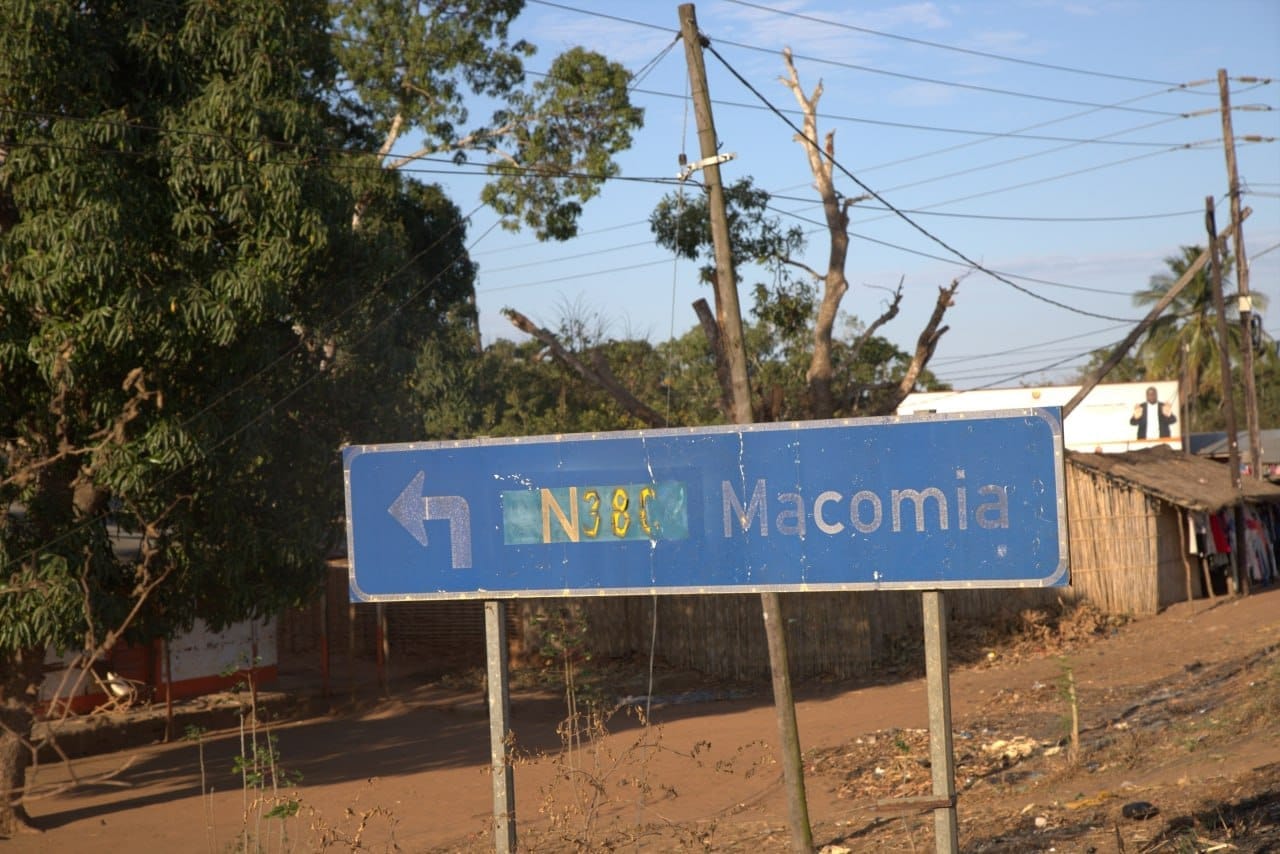
Fighting continued in the Catupa forest area as Mozambican and Rwandan forces fought back against Islamic State Mozambique (ISM) insurgents, following a 22 February ambush on a commercial convoy. While both sides took casualties, there is no evidence that state forces have regained any control of Catupa forest or the N380 road that runs alongside it. More broadly, Mozambique is not well-positioned to withstand the current oil price shock arising from US and Israel’s actions against Iran. The scale of the shock may help President Daniel Chapo withstand pressure to enact deep economic reforms, but hardship and possible unrest may nevertheless result.
Situation summary
N380 reopened after a week of fighting at Quinto Congresso
Further information has emerged on the fighting that followed the 22 February ambush on a commercial convoy at Quinto Congresso on the N380 highway. New details confirm a higher number of fatalities than previously recorded and illustrate the scale of the clashes. Fighting over the following three days involved Mozambican military and police, the Rwanda Defence Force (RDF), and the Local Force. On 24 and 25 February, helicopters — likely Mi-24s belonging to the RDF and based in Mocímboa da Praia — were deployed to bomb ISM positions. Over 22 and 23 February, state forces suffered at least 14 fatalities. In the subsequent two days, ISM lost at least 15 fighters in airstrikes, and multiple sources speak of people being buried at the site.
Ambushing a commercial convoy is not unusual for ISM. However, the resources that the group dedicated to this attack were considerable. Three sources estimated 300 ISM personnel, both fighters and porters to carry looted goods, were present, though this number may be an exaggeration. Nevertheless, knowing that reinforcements would likely arrive, insurgents were confident enough to send out a force capable of taking on four separate state forces, while their comrades made off with a truckload of rice.
The food was likely destined for ISM’s base at Namurussia in Catupa forest, where it would either be stored or moved onward for distribution to other sites. Following the successful attacks on the Defense Armed Forces of Mozambique (FADM)’s Namabo and Catupa positions in Catupa forest at the end of January, ISM likely retains control of Catupa forest. This leaves traffic on the N380 at continuing risk. Control of territory in Catupa will also allow ISM to continue attacks against state forces in the Quiterajo and Mucojo Administrative Posts.
The situation presents a significant challenge to Mozambique’s security forces and the RDF. According to a source, RDF and Mozambican commanders held a meeting in Macomia to review the incident.
FADM navy signal “no-sail” zone in Macomia
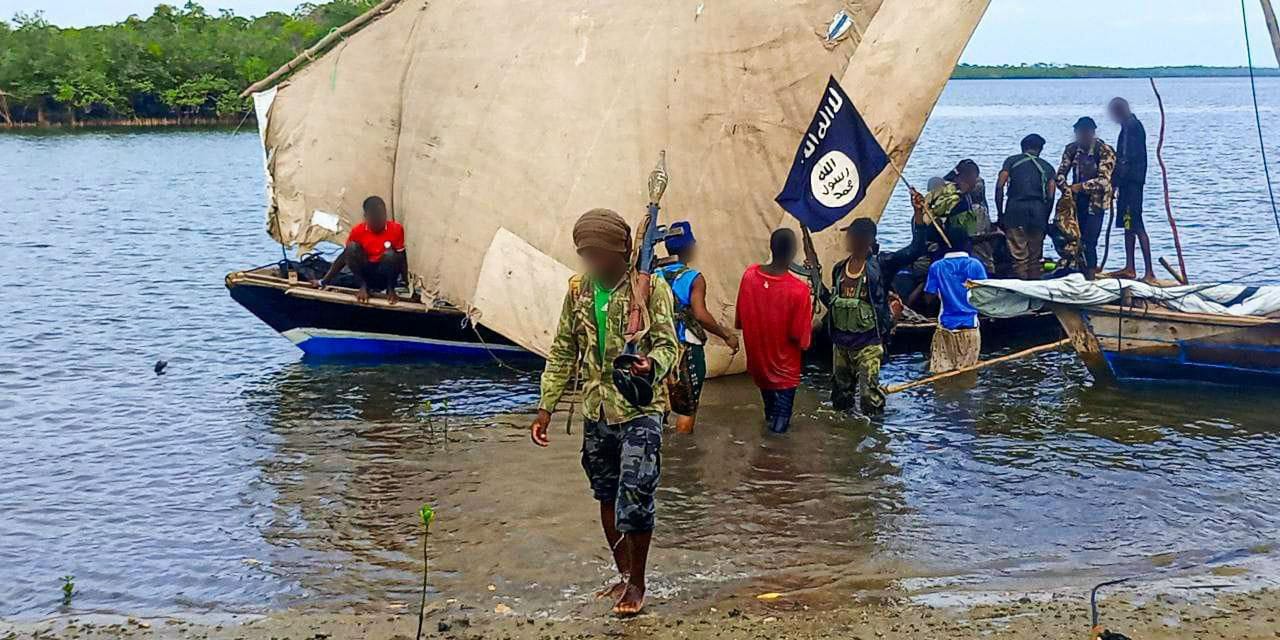
Continued ISM movement on the Macomia and Mocímboa da Praia coast, as reported by the Mozambique Conflict Monitor recently, is being met by an aggressive response from the navy. Multiple sources say that on 5 March, a FADM vessel fired on a fishing boat in waters near Luchete village on the coast of southern Mocímboa da Praia close to Macomia district. According to sources, there were no casualties, and the shots were fired to maintain a “no-sail” zone along the Macomia coast.
FADM has increased patrolling on the Macomia coast recently, according to a Mozambique Times report. A complete ban on marine movements in the area is at best impractical for communities in coastal villages and offshore islands who rely on marine transport. At worst, it can be deadly when FADM fires on civilian boats, as they have done in the past.
ISM fighters roam Quissanga and Ancuabe
Beyond Macomia, between late February and into the first week of March, small groups of likely ISM fighters have been seen in Quissanga district, moving south toward Ancuabe. One of these groups approached an artisanal gold mine at Muaja in Ancuabe district on 5 March. Miners fled the site, and it is not known what damage, if any, ISM did to the mine. The Mozambique Conflict Monitor has documented how ISM has been targeting artisanal mining operations in recent years. ISM’s appearance at the mine follows a well-established pattern that is likely to continue.
Dialogue in Zambezia brings some Naparama fighters in from the cold
A ceremony to demobilize over 150 members of an armed group active in Zambezia province was held in Morrumbala district on 5 March. The Zambezia authorities characterized the group as a Naparama militia and as supposed disaffected Renamo fighters. Though the group is said to be associated with Renamo, that party has denied any connection to them. Contemporary Naparama activity had not been seen in Zambezia prior to December 2024. The group emerged during the unrest that followed the 2024 election.
The group had presented such a threat to the state that FADM deployed up to 300 special forces troops against them in a two-week operation in April 2025. The deployment had some success. Prior to the operation, ACLED records 14 political violence events and at least 37 related fatalities involving Naparama across Nampula and Zambezia provinces between December 2024 and July 2025. None have been reported in those provinces since. Nevertheless, the group was not demobilized and disarmed for almost another year after the operation, remaining a credible threat and underscoring the limits of security operations alone.
The event was significant in illustrating the potential for dialogue in dealing with nascent armed groups. Though President Daniel Chapo has twice pointed to dialogue as being the solution to the conflict in Cabo Delgado, the two situations are quite different. The group that demobilized in Morrumbala identified itself as Naparama, an identity now adopted by seemingly unconnected groups of alienated young men across northern Mozambique. Though symptomatic of fraying social cohesion, they are not united by any clear agenda. ISM, in contrast, has more far-reaching demands that are rooted in jihadist ideology and has the means to sustain and develop the conflict in pursuit of them, as it illustrated at Quinto Congresso recently.
Focus: US-Israel-Iran war increases pressures on Chapo
While governments worldwide will need to respond in some way to the consequences of the United States and Israel’s attack on Iran, President Chapo’s task is harder than most as he faces increased potential for unrest and further unraveling of social cohesion.
In a February report, the International Monetary Fund (IMF) pointed to Mozambique’s bloated public-sector wage bill, an overvalued currency, and poor public financial management as necessitating “fiscal consolidation,” a euphemism for deep cuts to pave the way for profound economic reform. At the best of times, the measures required would demand significant cutbacks in public expenditure and a significant rise in import costs. They would also require tackling practices that reward businesses for loyalty to Frelimo, as seen in the award of export licenses to companies close to the ruling party.
In the circumstances following the attacks on Iran, the IMF’s recommendations may at once become not only more relevant, but also potentially destabilizing. Given Mozambique’s importance as a potential energy supplier, Chapo may now have some more room to negotiate further debt financing.
President Chapo wants to strike a deal with the IMF to release more debt funding for Mozambique, but the oil price shock gives him little room for maneuver, while heightening the country’s need for external support. As the IMF report was published, southern and central Mozambique had been hit by floods that affected over 700,000 people and destroyed critical infrastructure. Less than two weeks after publication, oil prices spiked.
Chapo and Frelimo therefore face significantly heightened political risk. Last year’s election sparked five months of opposition mobilization across Mozambique that often turned violent. The measures the IMF demands could strain the government’s legitimacy in the short term, threatening social cohesion. Devaluation alone will increase costs across all sectors and classes. Faithful implementation of the IMF’s recommendations, even if they led to new debt finance, would meet resistance. This would be amplified significantly in the new global context.
Roundup
US sanctions RDF over support to M23
The United States has imposed sanctions on the RDF and four of its senior military officials, accusing them of supporting the M23 rebel group operating in eastern Democratic Republic of Congo (DRC). The US Treasury said the RDF had provided operational support, equipment, and training to M23 fighters and that Rwandan troops have been deployed inside eastern DRC, helping the group capture strategic locations, including the provincial capitals of Goma and Bukavu as well as mineral-rich areas.
The sanctions freeze any assets under US jurisdiction and prohibit “US persons,” which includes residents and entities, from engaging in transactions with the designated individuals and entities. RDF operations in Mozambique are unlikely to be affected, given the strategic importance of their presence to US commercial interests and the US’ national security interest in Islamic State activity. Any payments related to the RDF in Mozambique are likely exempt from the sanctions.
Syrah to supply Mozambican graphite to Japan
The Australian mining company Syrah Resources has signed an agreement to supply natural graphite from its Balama mine in Cabo Delgado to a global battery supply chain linked to Japanese manufacturers. The seven-year contract, signed with the battery materials firm NextSource, covers the delivery of between 34,000 and 68,000 tonnes of graphite, starting in June. The graphite will first undergo processing at an anode facility in Abu Dhabi before reaching its Japanese customer.
AfDB funds $27.8 million reconstruction project in Cabo Delgado
The African Development Bank (AfDB) has approved 27.8 million US dollars to support reconstruction and economic recovery in Cabo Delgado province. The project, implemented by the UN Development Programme in partnership with the Mozambican government and the Northern Integrated Development Agency (ADIN), aims to strengthen community resilience in areas affected by the insurgency. It will focus initially on Palma and Ancuabe districts, rehabilitating social and economic infrastructure and supporting livelihoods. The program is expected to rehabilitate about 150 facilities and create around 5,000 jobs, while promoting local economic recovery and stability in northern Mozambique.
)