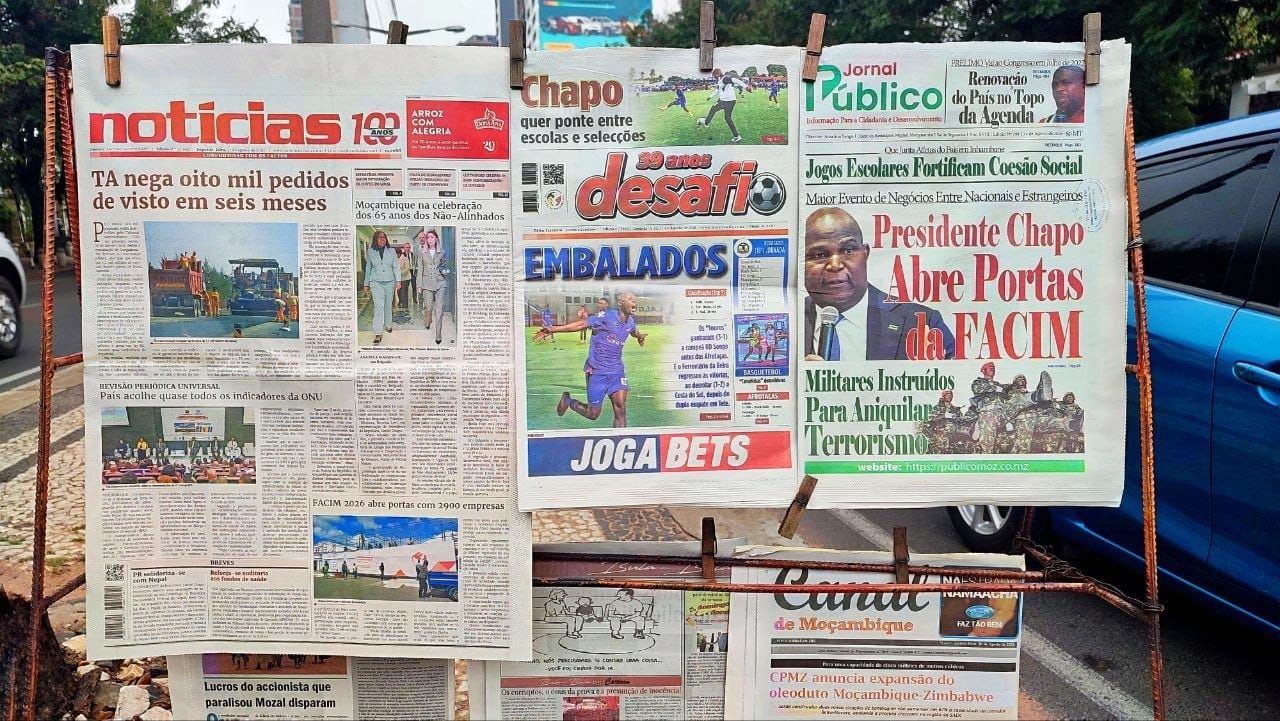
Good afternoon. President Daniel Chapo’s revocation of Waldemar de Sousa’s appointment as governor of the Bank of Mozambique today may have prevented a damaging situation from continuing. It does not deserve to be presented as evidence of decisive leadership. Naming a governor one evening, postponing his inauguration the following morning and replacing him within 24 hours suggests that the original decision was taken without adequate preparation.
The Presidency has cited only “supervening issues”. It has not said that the reversal resulted from the criminal case reportedly opened against Sousa in 2020 over administrative authorisations connected to the hidden debts. The timing invites that conclusion, particularly because activist Adriano Nuvunga publicly raised the case shortly before the appointment was revoked, but it remains an inference rather than an established fact.
The full Daily Briefing continues below for Pro subscribers. Subscribers to the Zitamar News tier can read the top half, including the full leader article, here.
The latest from Zitamar News:
 Zitamar News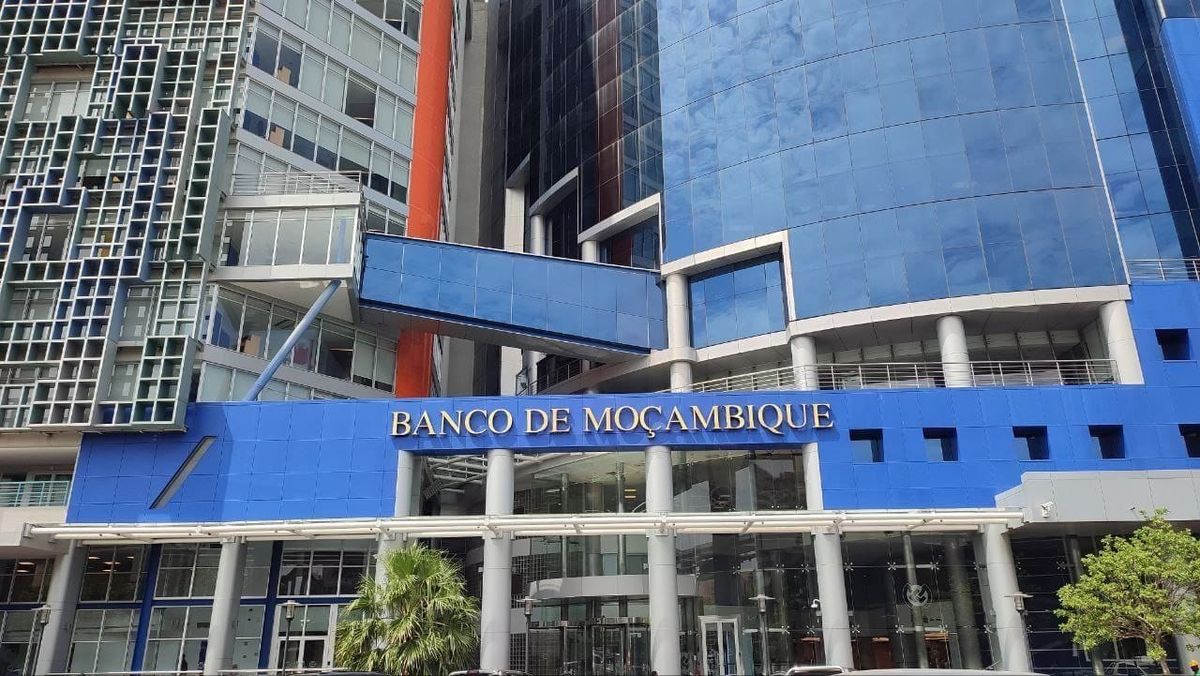
If the case was the problem, it was hardly new. The accusation had been publicly reported six years earlier. Either the Presidency knew about it and initially decided that it presented no obstacle, or those advising Chapo failed to discover something available in the public record. Neither explanation inspires confidence in the integrity checks applied to appointments at the highest level of the state.
The security services also have questions to answer. They are supposed to examine the records of potential presidential appointees before their names are approved. If they vetted Sousa, did they identify the unresolved case and report it to the President? If they did, why did the appointment proceed? If they did not, their failure is particularly serious given the sensitivity of the position and the ease with which the information could be found.