
Good afternoon. Mozambique has two distinct kidnapping crises. Criminal groups in its cities have generally targeted wealthy business families able to pay large ransoms. Conflict-linked abductions in the north fall on fishermen, motorcycle-taxi drivers, farmers, transporters and children. Their captivity can provide money, labour and recruits.
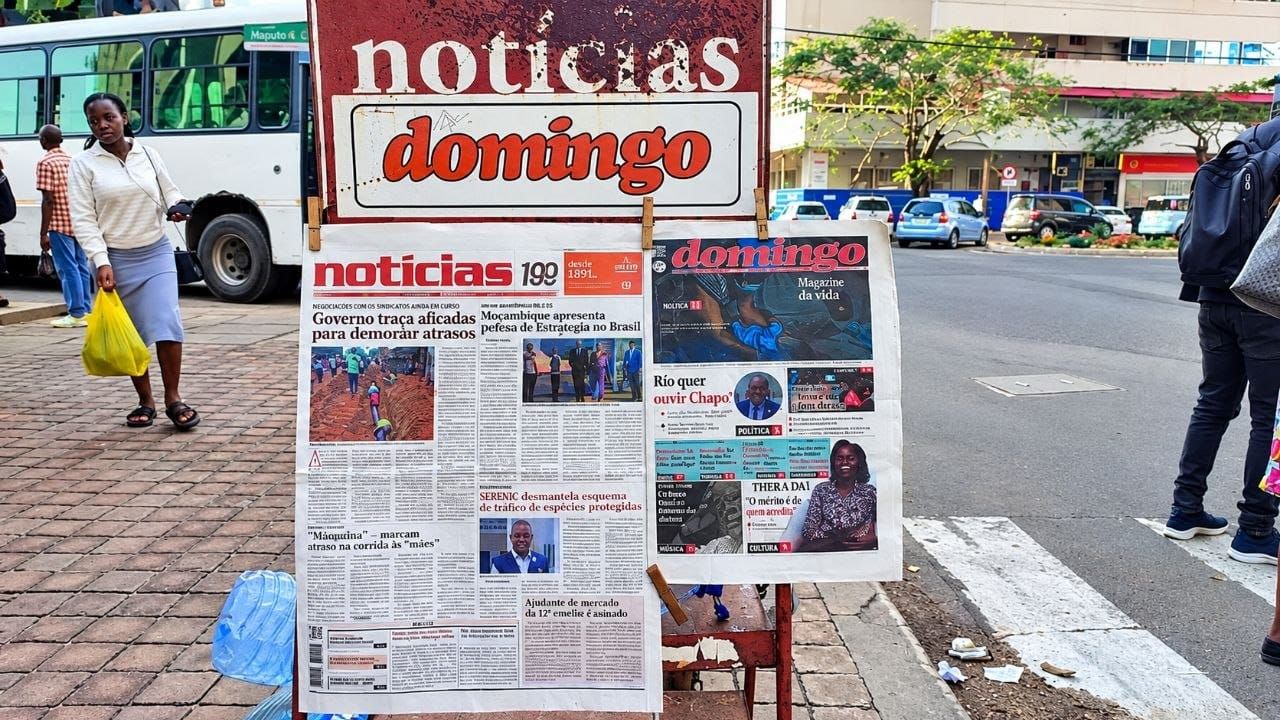
The government has received credit for the decline in prominent urban kidnappings since Daniel Chapo became president. Those crimes damaged Mozambique’s reputation and generated pressure from families with economic and political influence. The victims in Cabo Delgado rarely command comparable attention. Their disappearances merge into the reporting of a conflict now approaching its ninth year.
The full Daily Briefing continues below for Pro subscribers. Subscribers to the Zitamar News tier can read the top half, including the full leader article, here.
The latest from Zitamar News:
 Zitamar News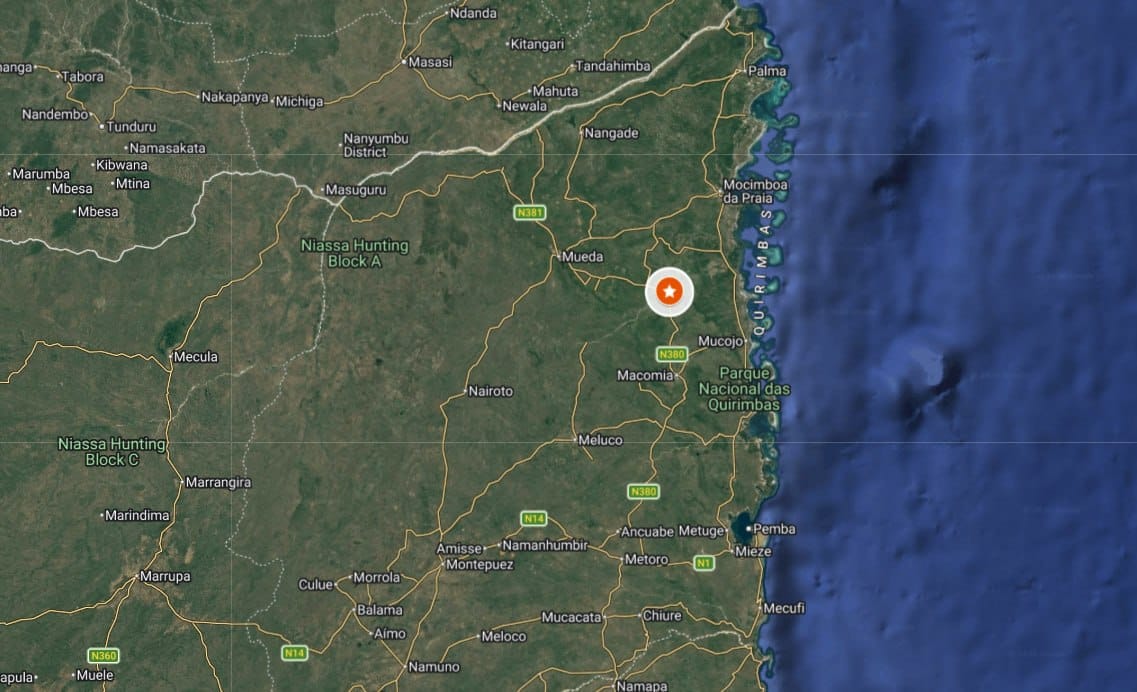
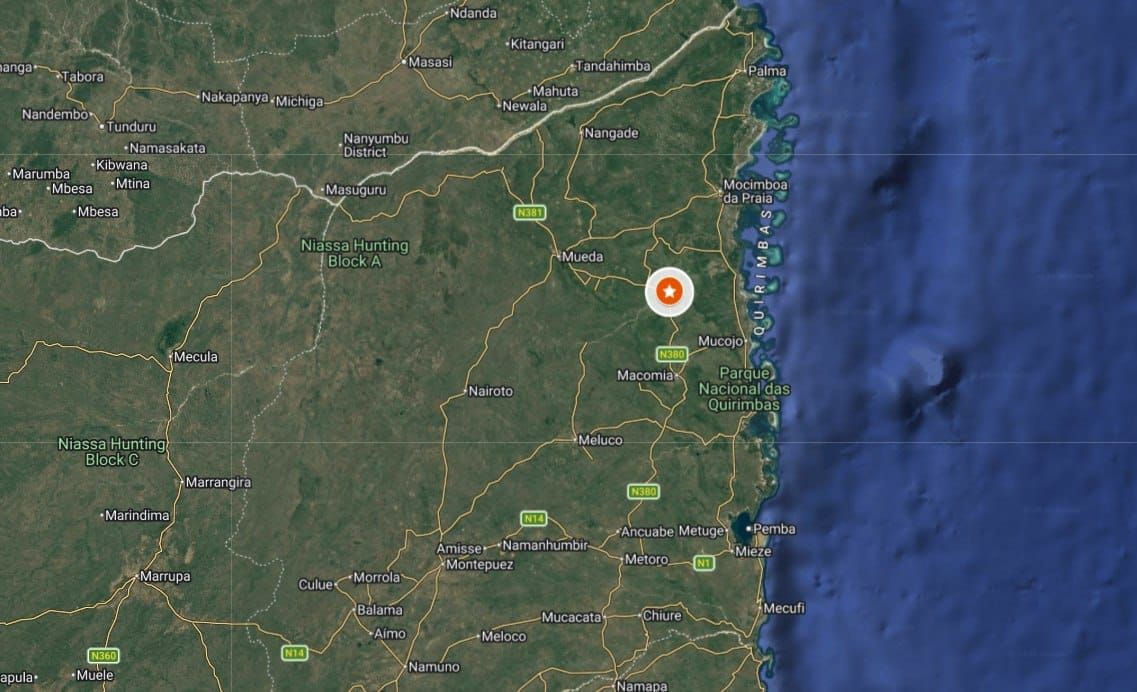
The United Nations humanitarian affairs agency, OCHA, recorded 249 people abducted across Cabo Delgado, Niassa and Nampula during the first half of 2026, down from 337 a year earlier. The organisation nevertheless describes the use of abduction as increasingly systematic, with victims taken for ransom, forced labour, recruitment and the indoctrination of children.
Reports from the north describe demands of tens of thousands of meticais from families living close to subsistence. Households borrow, sell assets and seek contributions from relatives. Insurgents may accept less than they initially demand, taking whatever families can assemble. Vehicles, fishing boats and logging equipment are also seized for ransom.
Responsibility is not always clear. Criminals can imitate insurgent methods, and there have been allegations that members of the security forces have exploited the confusion surrounding the conflict. Those claims require evidence. The uncertainty itself assists perpetrators: armed groups, ordinary criminals and abusive officials can all hide behind an attribution to “terrorists”.