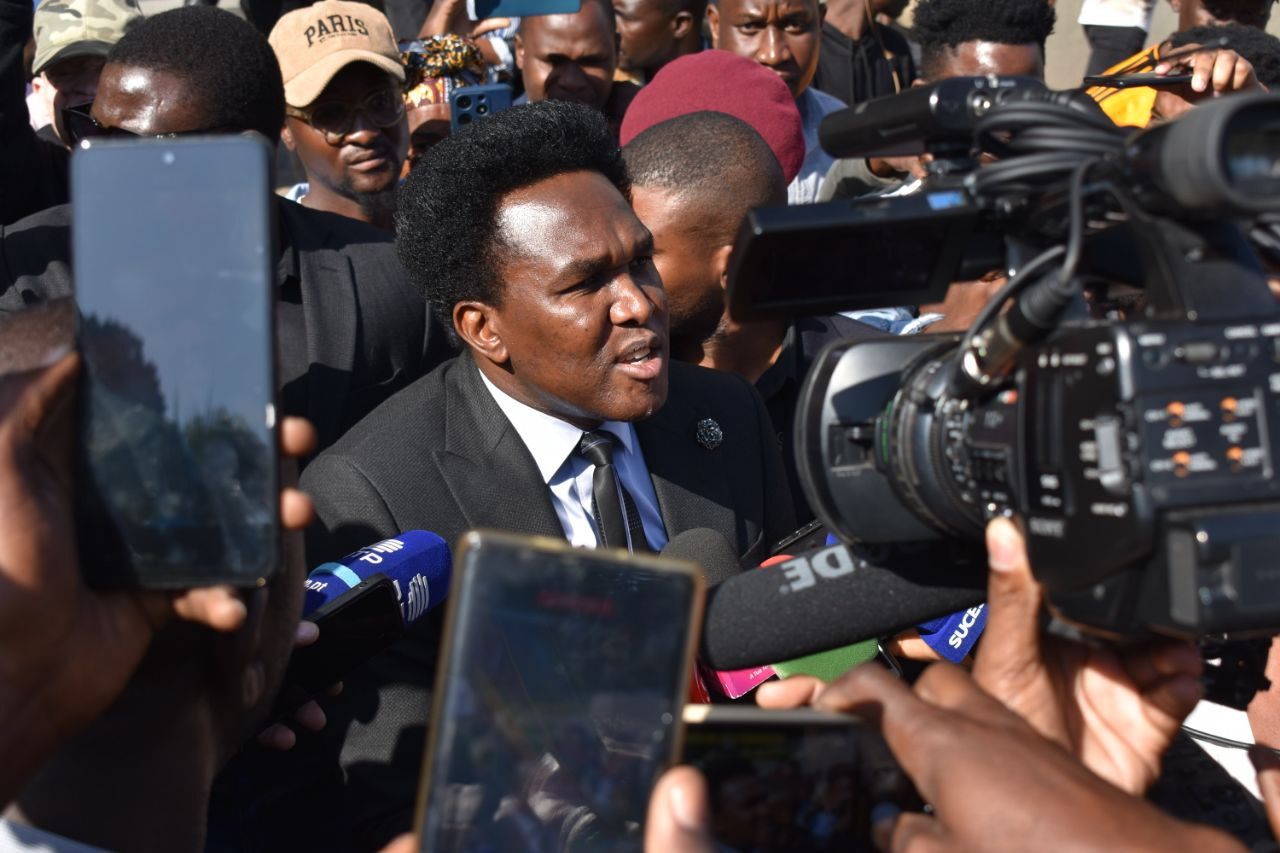
Good evening. Venâncio Mondlane used live broadcasts to lead what he called a revolution against Mozambique’s disputed 2024 election result. Those broadcasts now provide much of the evidence in a prosecution that could imprison him for more than 20 years. He wanted the resulting trial carried on the same medium. The Supreme Court has refused.
The decision is lawful. Mozambique’s criminal procedure rules prohibit the recording or transmission of court proceedings unless a judge authorises it. Public justice means that citizens and journalists may enter the courtroom, report what happens and consult the case file. It does not give a defendant the right to appear before a national television audience.
The full Daily Briefing continues below for Pro subscribers. Subscribers to the Zitamar News tier can read the top half, including the full leader article, here.

Zitamar is now in Angola! Click below for the latest edition of the Angola Briefing, a twice-weekly newsletter modeled on our Mozambique Daily Briefing but built on an expert discussion broadcast live and recorded. Click below to find out what it's all about:
 Zitamar Ltd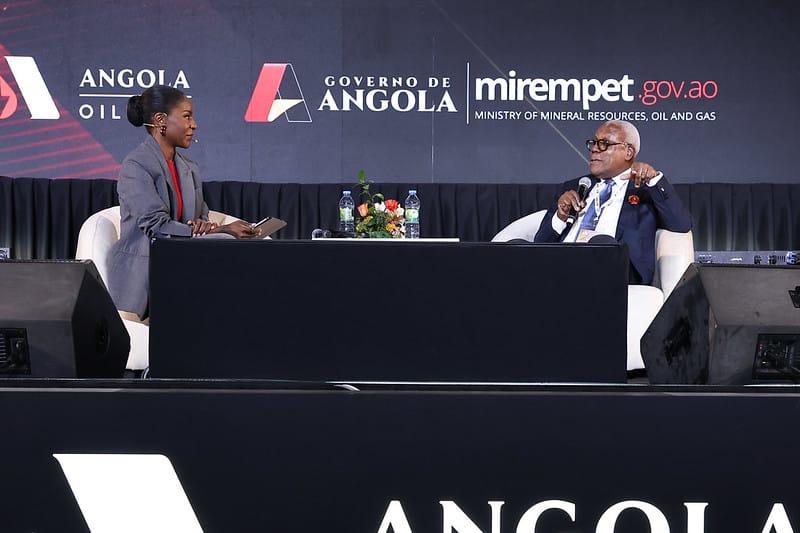
The court has also given intelligible reasons for refusing permission. A broadcast could expose expert witnesses in a terrorism case, allow witnesses waiting to testify to follow earlier evidence, put pressure on judges and turn the proceedings into political propaganda. Mondlane is an unusually effective communicator with an obvious interest in making the courtroom another platform for his contest with Frelimo.
Yet none of those risks required the complete exclusion of cameras. The law already protects people who object to being filmed. Sensitive testimony could have been heard without a broadcast, witnesses could have been shielded and transmission could have been delayed. The court had several ways to preserve control over the proceedings while allowing the public to see most of the prosecution’s case.