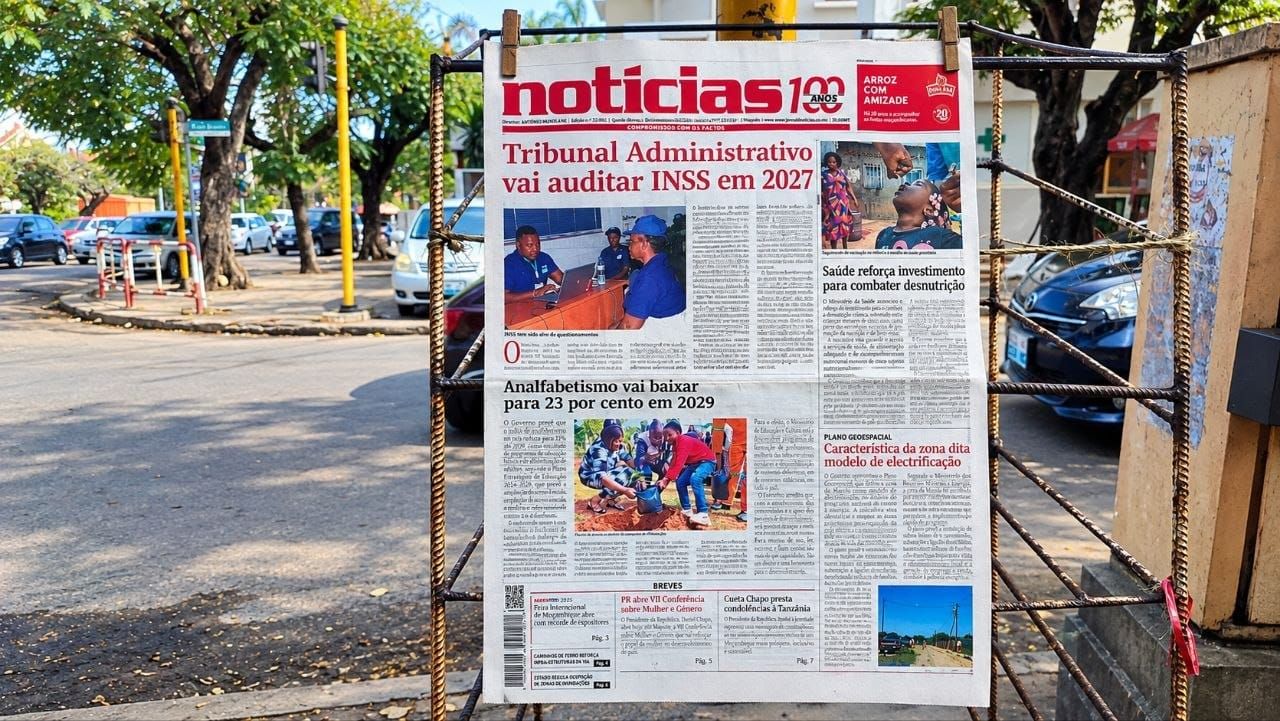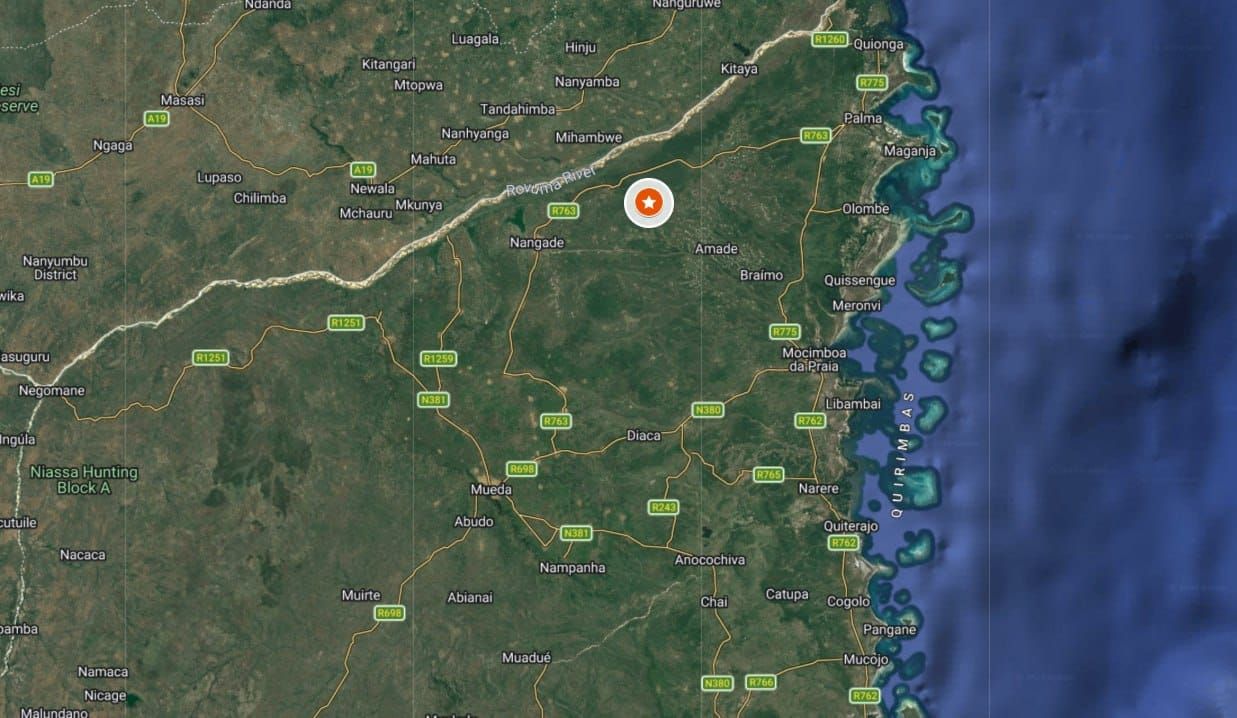
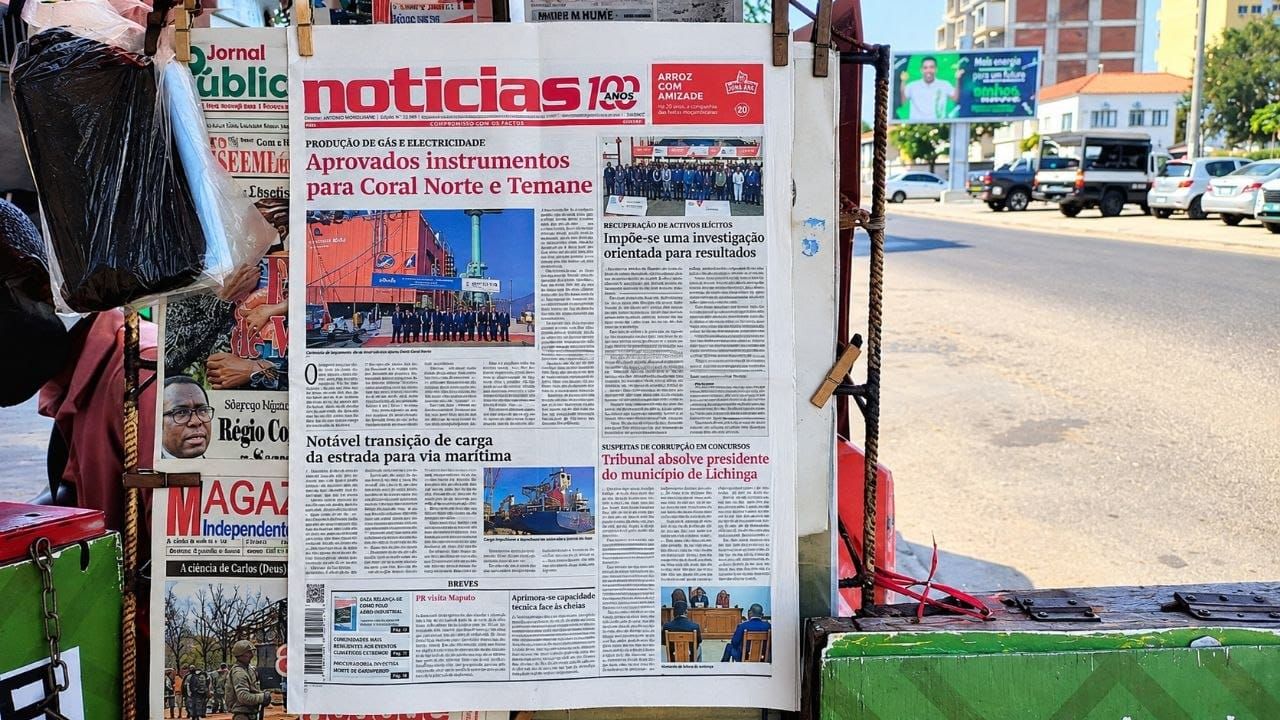
Good afternoon. Mozambique now has a regular public shipping service carrying commercial freight along its coast. Civitas Partners’ CPG Shipping connects Maputo, Beira, Nacala and the LNG project at Afungi, shifting cargo away from a deteriorating road network and offering businesses an alternative route across a long and geographically difficult country.
The advantages are particularly clear in the north. Heavy lorries accelerate the deterioration of the EN1 north-south highway, while floods can interrupt road connections for weeks. Cargo travelling to Afungi by road must also cross parts of Cabo Delgado exposed to insurgent attacks. Ships can move large volumes without imposing the same cost on the roads or facing the same security risks.
The full Daily Briefing continues below for Pro subscribers. Subscribers to the Zitamar News tier can read the top half, including the full leader article, here.
The latest from Zitamar News:
 Zitamar News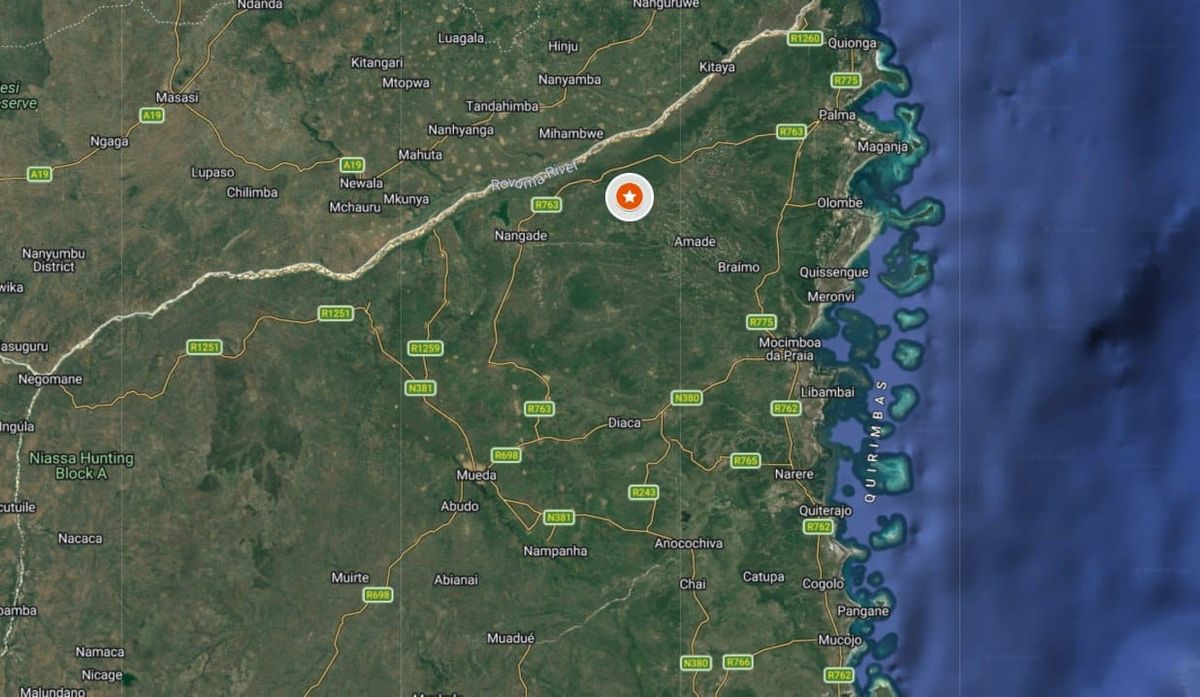
CPG says it has carried about 14,000 TEU since beginning regular operations in April 2025. Transport Minister João Matlombe described this as equivalent to removing approximately 14,000 lorries from the roads, although the two measures are not directly interchangeable: a 40-foot container represents two TEU but may travel on one lorry. The national cabotage total is larger, however, because CPG’s figure excludes the captive services supporting TotalEnergies’ LNG project and Dugongo Cimentos.
Those three operations demonstrate that cabotage can serve different markets. TotalEnergies and Dugongo use ships for their own projects; CPG is the largest coastal operator and the only one offering a scheduled service to any customer. It carries food and other consumer goods, and construction materials northwards and brings timber, edible oils, fertiliser and other consumer products south. The shortage of return cargo that undermined earlier operations is becoming less serious.