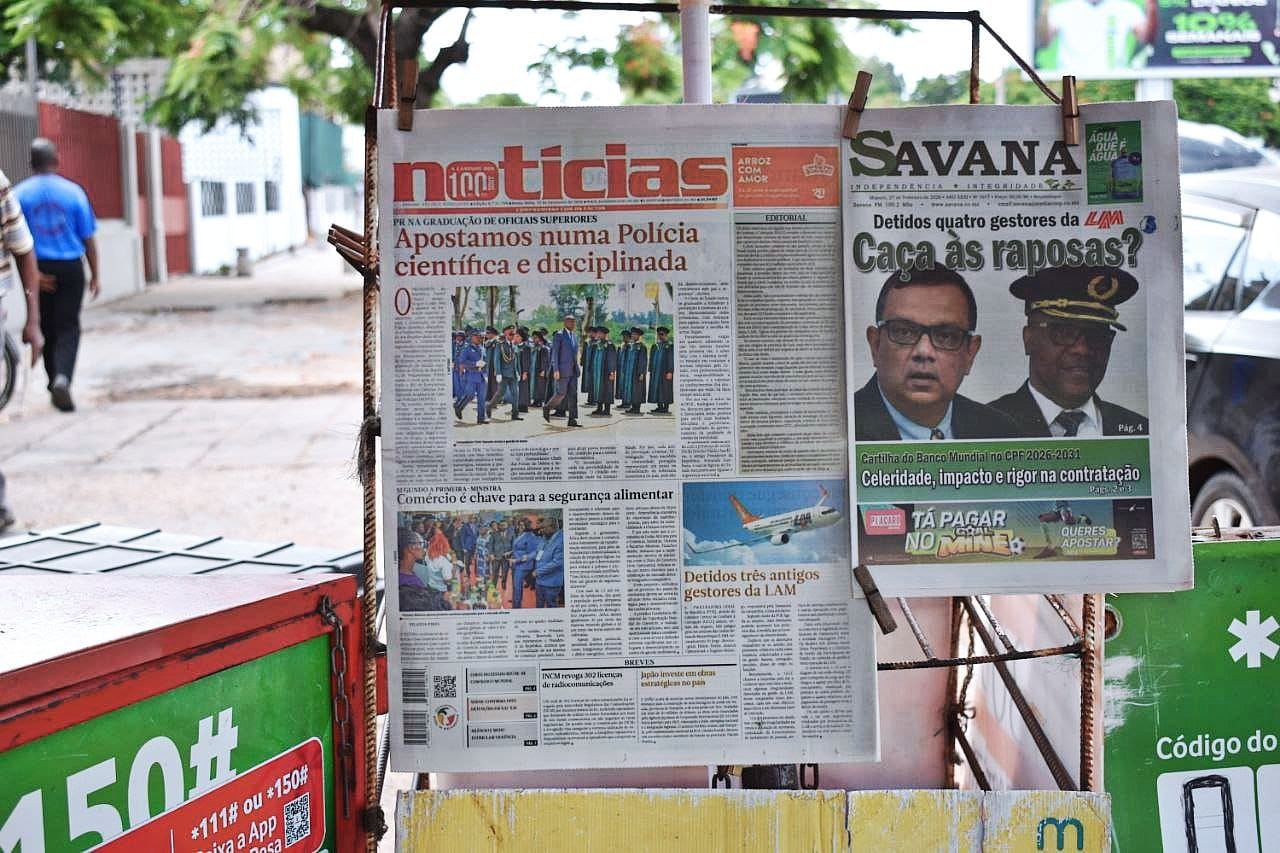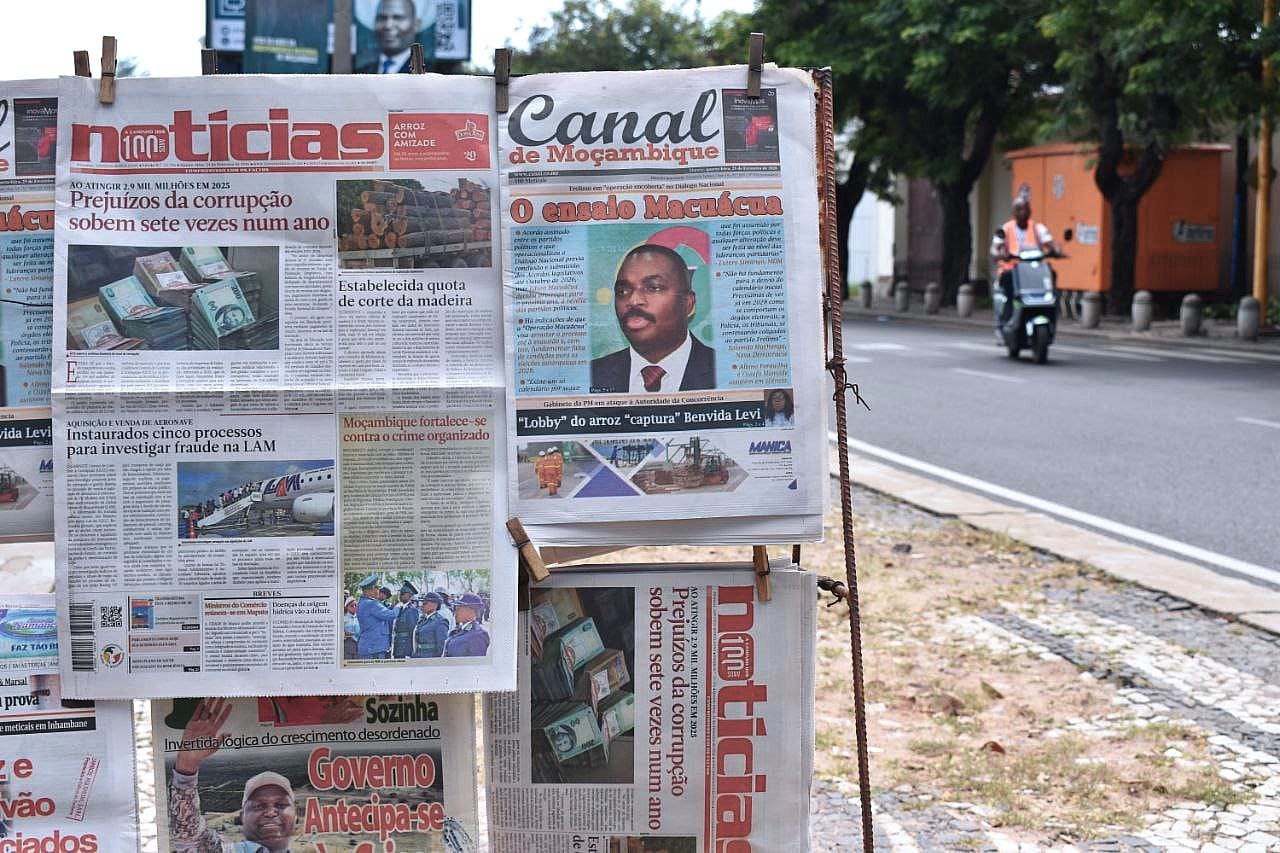
Good afternoon. This week marks one year since the terms of reference for government-led reform talks, branded as “inclusive national dialogue” were signed by the government and opposition parties, at an elaborate ceremony in Maputo. Readers will remember that the dialogue process was set up by the government of previous president Filipe Nyusi in response to the furious and violent nationwide protests following the disputed (and highly fraudulent) elections of 2024. Since then, a technical commission has been appointed and a law governing the process has passed through parliament. The bureaucracy has been extensive and so has the spending, funded by the European Union, the Mozambican government and the United Nations Development Programme. The commission members have been enjoying free air travel around the country, high-quality accommodation and meals, and per diem expense payments. It is a luxury experience for the less privileged commission members. But what is the dialogue achieving?
It is worth remembering that the post-election protests revealed just how deep public resentment was with the ruling Frelimo party: not just among the poorest Mozambicans who had little to lose from protesting, but also among more well-off people who joined in the pot-banging sessions to show their support. There was, and is, profound resentment at the way Frelimo steals both elections and the country’s wealth. The protests are over, but the root causes have not yet been addressed, and tensions continue to simmer just below the surface.
The full Daily Briefing continues below for Pro subscribers. Subscribers to the Zitamar News tier can read the top half, including the full leader article, here.
The dialogue process could help here. It is not due to report until October, but the commission chair, Edson Macuácua, could make some public statements about how it is going and give some reassurance that his commission is going to re-wire the state so that, for example, systematic electoral fraud of the sort that happened in 2024 cannot happen again. The leaders of the opposition parties could do the same, and they could update their members to whom they are meant to be accountable. But none of that is happening. The technical commission meets behind closed doors, and while witnesses are appearing before it and papers have been submitted to it, there is little information about what is going on.