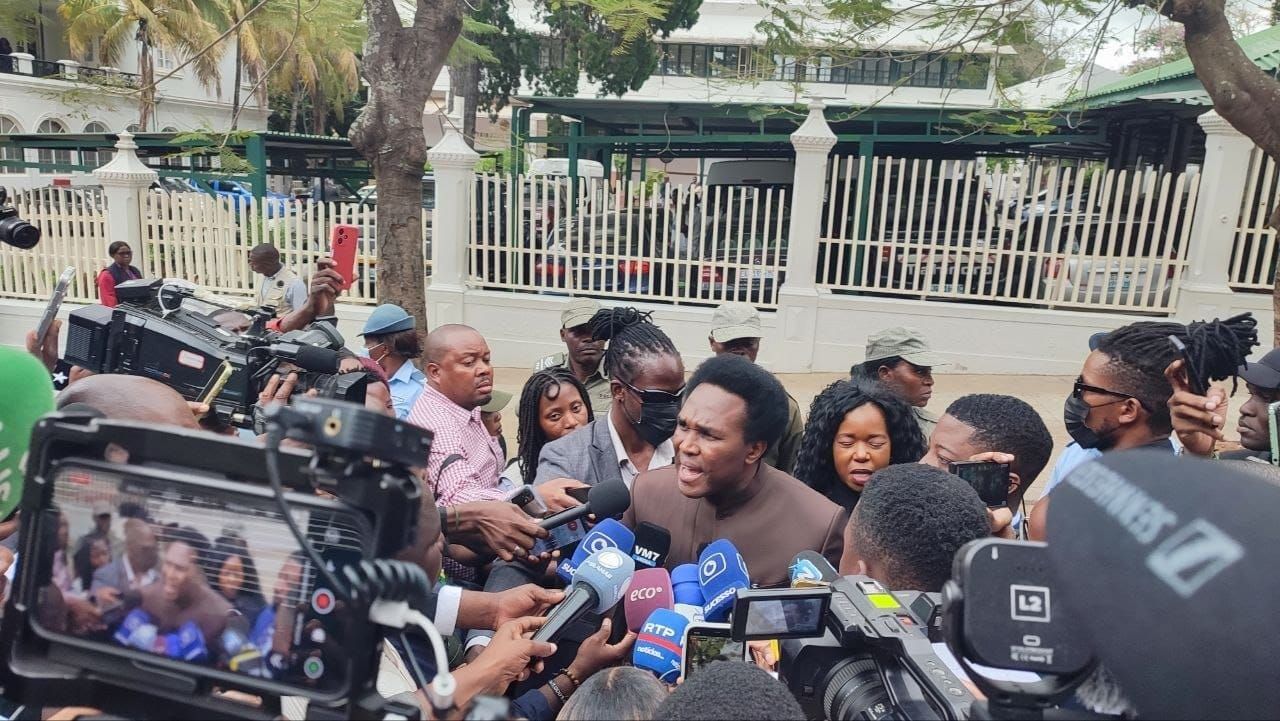

Good afternoon. Among the prosecution's evidence against Venâncio Mondlane at the Supreme Court are recordings of calls intercepted from at least three of his phones. On the second day of the trial, last Wednesday, his defence asked for them to be thrown out. It argued that no court document shows the intercepts were authorised, and that the file contains calls from April and September 2024, although interception supposedly began only in October. The recordings presented in court start from 2 October 2024, a week before the general election and almost three weeks before the first protest stoppage.
The full Daily Briefing continues below for Pro subscribers. Subscribers to the Zitamar News tier can read the top half, including the full leader article, here.
The latest from Zitamar News:
 Alexandre Nhampossa

 Zitamar News
 Zitamar Ltd

The court has yet to rule, but the dates speak for themselves. On the prosecution's own evidence, Mondlane was enough of a threat to national security to have his calls recorded before a single vote had been cast, let alone before a single road was blocked. If a judge authorised it, the judge must have been given a reason, and it can't have been the protests.
In Mozambique, as elsewhere, a police officer can't simply decide to tap a phone; a judge has to authorise it. Whether every intercept in this case was ordered by a competent judge is now a question for the trial, and one that matters well beyond Mondlane.