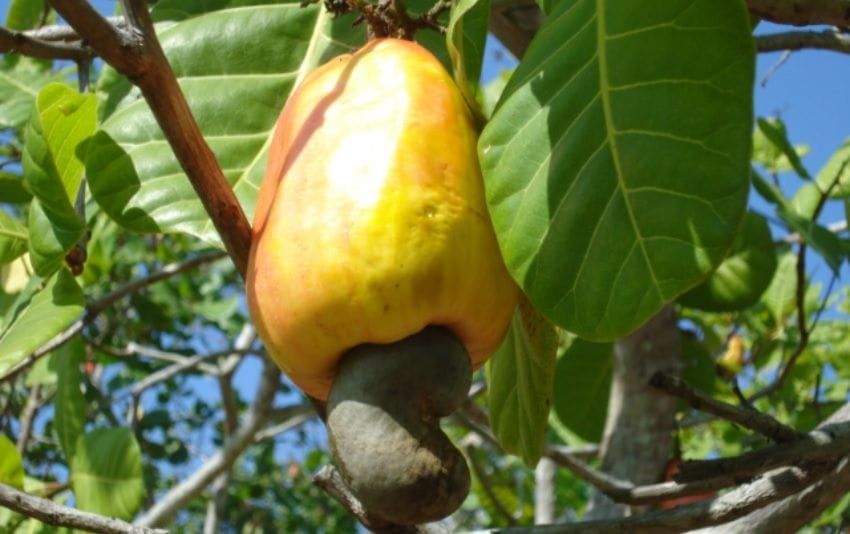
Good afternoon. More than three years after parliament passed a new cashew law, the government has finally approved the regulation needed to enforce it. The government says the rules cover the whole chain, from planting and drying to processing, import and export, and will make the sector more competitive. Passing rules is the easy part. The harder question, which the announcement steps around, is whether the state can make anyone follow them.
Start with the export surtax on raw nuts, currently 18%, which the government has proposed raising to 22%. Whether it is 18% or 22% barely matters, because much of it is never collected. Industry figures tell Zitamar that exporters routinely avoid the levy by paying officials along the chain, or by under-declaring the value and quantity of what leaves the country. A rate that is negotiable at the port is not really a rate at all.
The full Daily Briefing continues below for Pro subscribers. Subscribers to the Zitamar News tier can read the top half, including the full leader article, here.
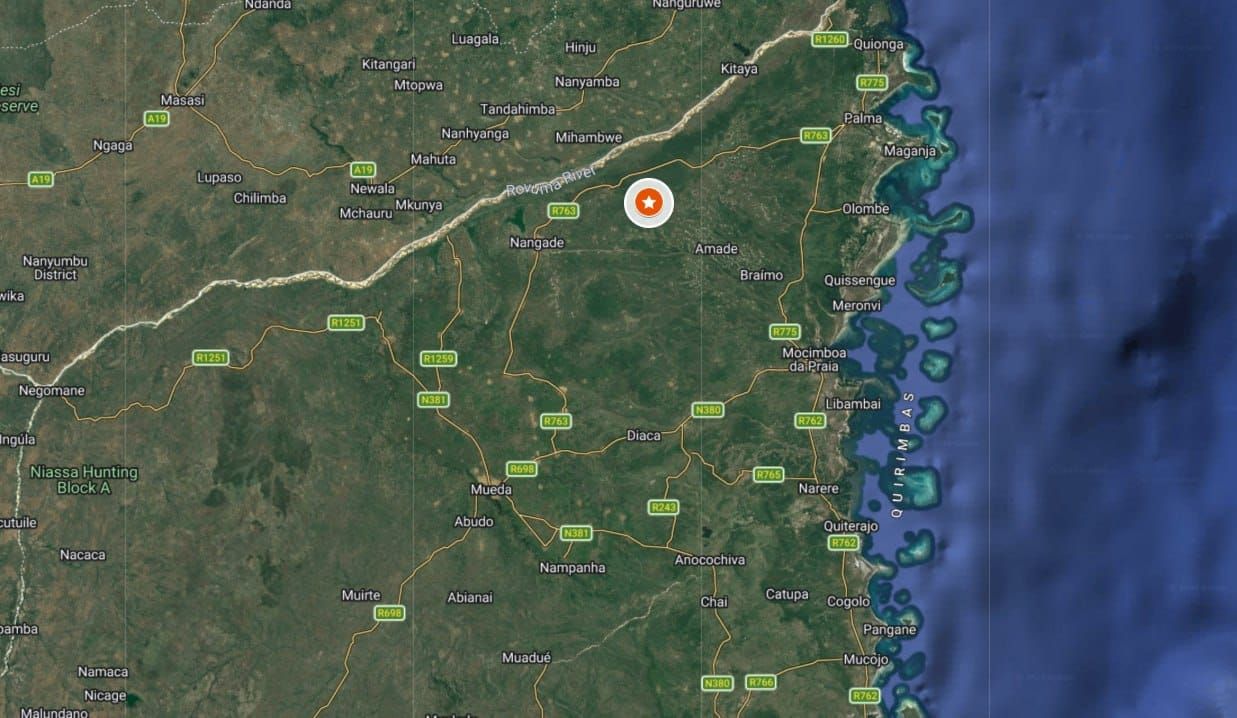
That is where the damage is done, and it is not mainly at the Tanzanian border. Last season, the authorities put the raw nuts smuggled overland from Cabo Delgado into Tanzania at 7,600 tonnes, costing the state more than MZN114m ($1.8m) in unpaid duty. That is the piece we can count. The larger leak, industry sources say, runs through the port of Nacala, in the under-invoicing of the main export flow to India, Vietnam and increasingly China. Nuts declared at a fraction of their value, or passed off as shells, let the exporter dodge the surtax and keep hard currency abroad. There is no public figure for what this costs, which is part of the problem.
That distortion is what starves Mozambique's factories. An exporter moving under-invoiced nuts and laundered dollars can outbid a legitimate processor for the farmer's crop, because the point of the deal is not the cashew but the clean money and the foreign exchange that come out of it. For the farmer, the higher price is welcome and rational. For a factory that pays tax, wages and electricity, it is a contest it cannot win. The result is in the numbers: in the first quarter of this year, raw cashew exports earned $68.4m, while the processed kernel, the part that carries the jobs, earned $2.9m.