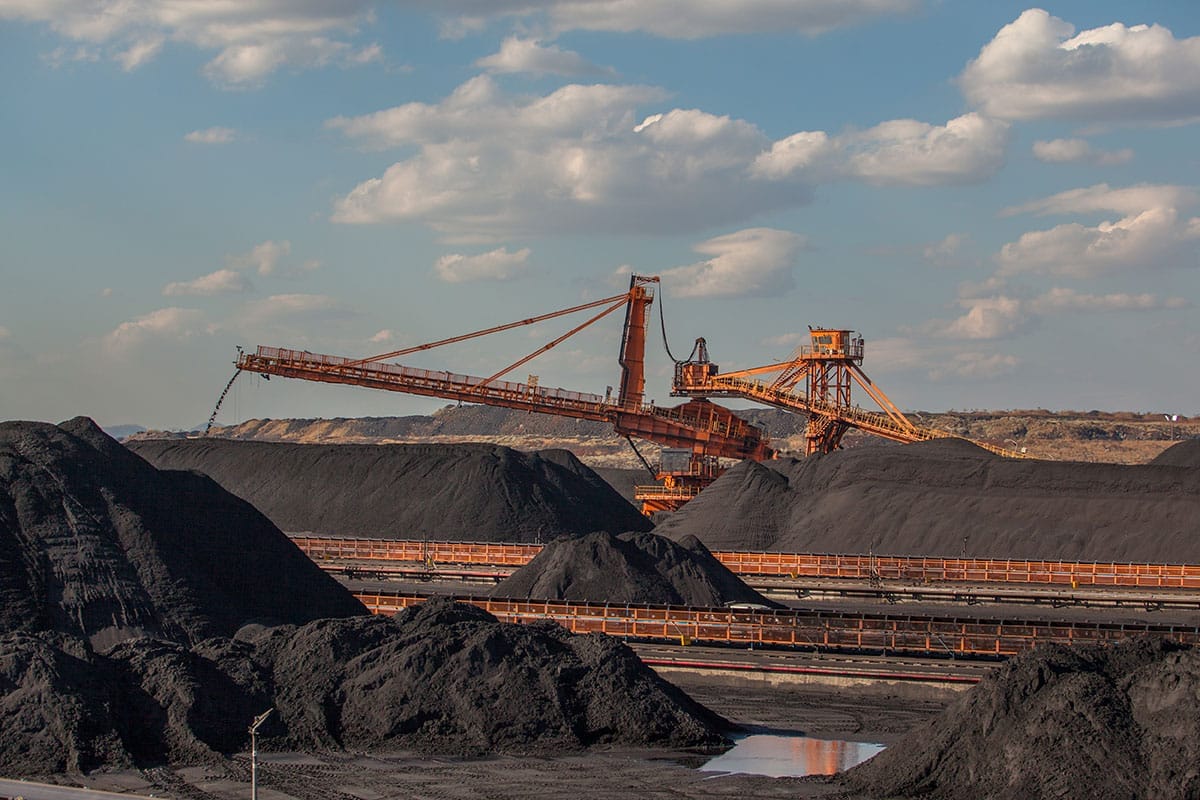
CORRECTION: The leader article in yesterday's Zitamar Daily Briefing was written on the erroneous understanding that the Revuboè coal mining project is being led by Jindal Steel and Power Limited (JSPL).
In fact the project is led by JSW Steel Ltd, a rival entity owned by Sajjan Jindal — the brother of Naveen Jindal, who owns JSPL. JSPL is the owner of Vulcan, which already mines in Moatize district. But Revuboè will be JSW's first venture in Mozambique.
Our reporting yesterday did not meet Zitamar's usual standard, and we apologise to our readers.
Good afternoon. The Rwandan government attracted coverage from Reuters and Bloomberg yesterday with its threats to withdraw security forces from Mozambique. The immediate reason for its statements was the fact that European Union (EU) funding for the mission is going to run out in May, and EU officials have given the impression to journalists that they do not plan to renew it. But that is not the whole story, or even half the story. When Rwanda’s foreign minister Olivier Nduhungirehe complained (in the same breath as threatening to withdraw) about Rwandan armed forces being sanctioned and “vilified”, he was really talking about the sanctions imposed on the Rwanda Defence Force (RDF) and some of its commanders by the government of US president Donald Trump. Those sanctions are in response to the Rwandan military intervention in the Democratic Republic of Congo, and in particular its alleged support for the M23 rebels there.
The full Daily Briefing continues below for Pro subscribers. Subscribers to the Zitamar News tier can read the top half, including the full leader article, here.
Let’s deal with the main issue first, at least from Mozambique’s point of view. Despite Nduhungirehe insisting in a post on X that “Rwanda WILL withdraw its troops from Mozambique, if sustainable funding is not secured for its counter-terrorism operations in Cabo Delgado”, Rwandan troops are not likely to withdraw from Cabo Delgado, even if EU funding is not renewed, although in fact, the EU may well renew it. So why is the Rwandan government threatening to pull out?
The US sanctions are very upsetting to the Rwandan government, because they are a practical and a political threat to the work of the RDF, which carries out peacekeeping operations all over Africa. Rwanda is a tiny country with relatively large, and very important, armed forces. Under Rwanda’s authoritarian president Paul Kagamé, the RDF has become economically significant, bringing in revenue through United Nations-funded peacekeeping missions. The RDF also acts as an ambassador for Rwanda, helping to build its reputation and profile worldwide, which brings wider economic and political benefits. Being sanctioned by the world’s most powerful country naturally threatens all that. Not only will it make it harder in practical terms for the RDF to carry out missions across the world, but it may also affect its reputation.