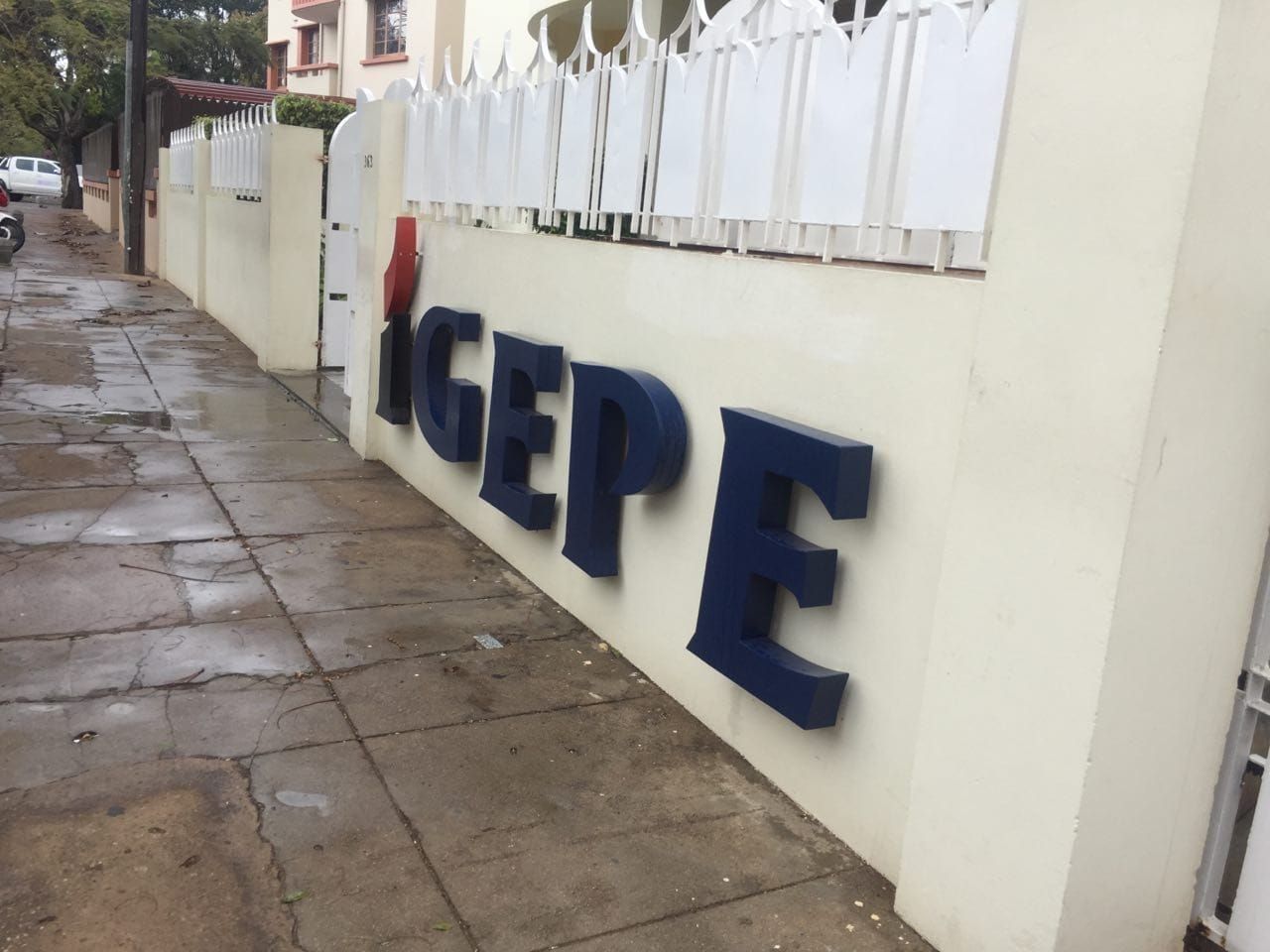
Good afternoon. Mozambicans have been given an unusual amount of financial information in recent weeks. Moza Banco has published interim accounts, and the IGEPE website now carries the 2025 reports and accounts of a wide range of state-owned and state-controlled companies. The sovereign wealth fund reports its market value. And yesterday the central bank published detailed figures to defend its intervention in Moza Banco almost ten years ago. Separately, the transport ministry has advertised four executive director posts at the roads authority ANE. In a state that has too often treated public information as the property of office-holders, this is welcome.
It would be premature, however, to call this a conversion by Mozambique's governing class. Much of the disclosure is required by law, regulation or by the conditions attached to international support. Public procurement notices became more visible after sustained pressure from donors and lenders. Sovereign wealth fund reporting is a legal safeguard, not a favour from the central bank. Commercial banks publish accounts because the financial system requires them to. The improvement lies in institutions complying more consistently, and in the public having more material with which to judge them.
The full Daily Briefing continues below for Pro subscribers. Subscribers to the Zitamar News tier can read the top half, including the full leader article, here.
Publication is only the first test, because figures can be arranged before they are shown. Moza Banco's first-half profit of MZN273.9m ($4.3m), against a MZN149.6m ($2.3m) loss a year earlier, did not come from a bank that has started trading better. It booked its impairment provisions in the 2025 accounts, opened January with a balance sheet already cleared, and has seen its loan book shrink since. EMOSE, the state insurer, announced a third year in profit, which is true and nearly empty: the profit fell 94.5%, to about MZN20m ($0.3m), held up by past reserves rather than by the business itself. A clean headline can be an accounting choice. That is why the accounts matter, and why they matter only if someone reads past the first line.
The central bank's own statement shows how much a fuller account can add. It says that in September 2016 Moza Banco had negative own funds of MZN24.9bn ($389m) and a solvency ratio of minus 100.21%; that the shareholders were given until May 2017 to recapitalise and could not; and that the capital was then opened to outsiders through a MZN8.2bn ($128m) increase, taken up by Kuhanha, the company that manages the central bank's own pension fund. Moçambique Capitais, then the majority shareholder, disputes the account, arguing that the bank has aired matters covered by banking secrecy and that the courts have already ruled on the intervention. The public can now weigh both sides. But the explanation came almost ten years after the event, and only after questions at a press conference. Late and contested disclosure beats silence. It is not exemplary accountability.