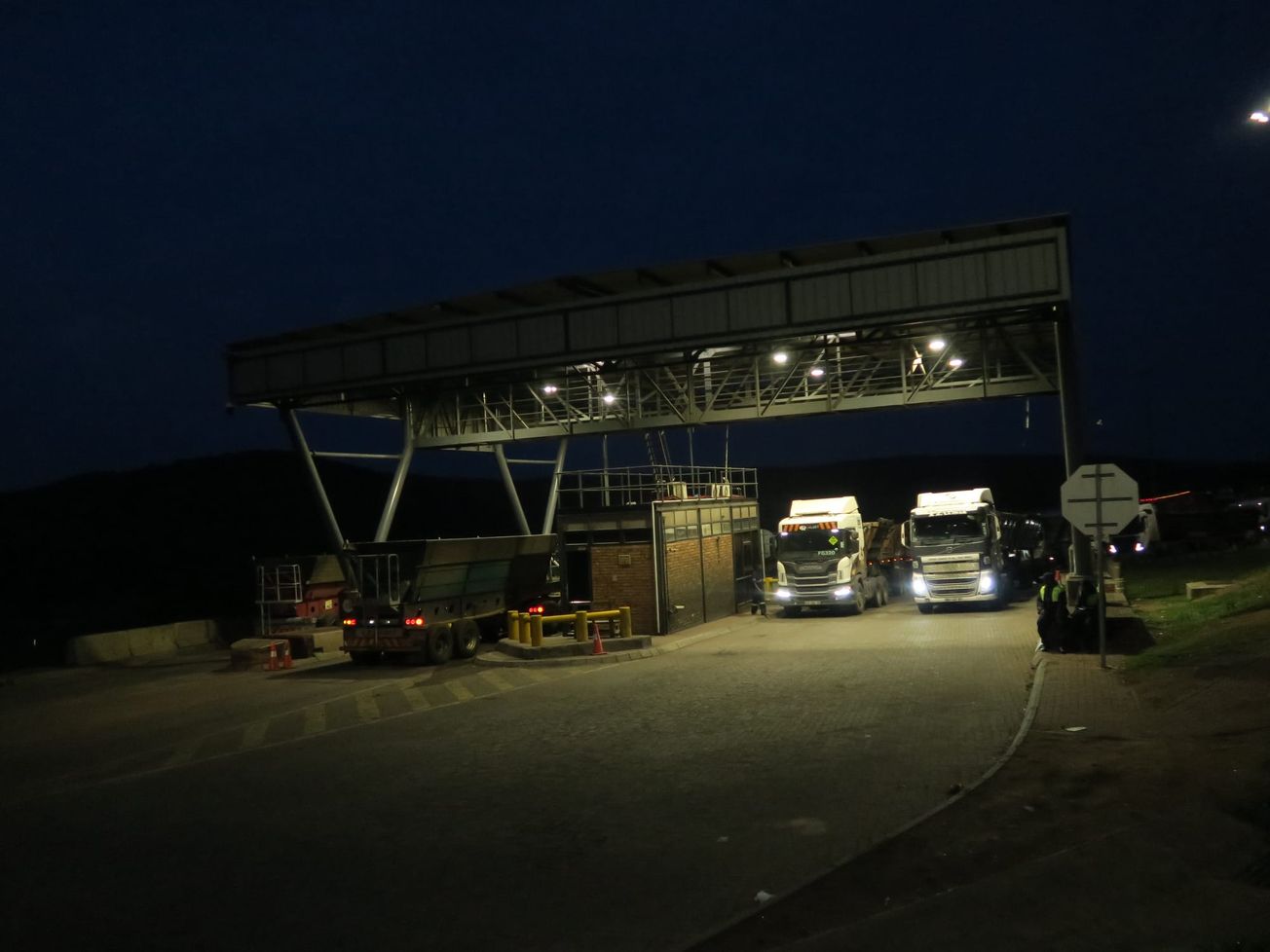
Good afternoon. Every day, more than 2,000 trucks pass through the Machipanda border post, carrying goods between the Port of Beira and Zimbabwe, Zambia, Botswana and the Democratic Republic of Congo. When those trucks spend two or three days waiting to cross the border, the costs ripple far beyond the queues themselves. Freight becomes more expensive, exporters less competitive and imports costlier. Few infrastructure projects could have a more immediate impact on Mozambique's economy than reducing those delays.
For that reason, the government's decision to move ahead with a one-stop border post at Machipanda deserves to be welcomed. Unlike many grand industrial announcements that promise to transform the economy one day, improving the efficiency of an existing trade corridor can deliver benefits from the moment it opens. Sometimes the most important economic reforms are also the least glamorous.
The full Daily Briefing continues below for Pro subscribers. Subscribers to the Zitamar News tier can read the top half, including the full leader article, here.
However, the announcement also brings cause for concern. The Machipanda concession has been awarded to the same Chinese consortium — Zhongmei Engineering and Union Portlink Capital — that is already developing the Beira Port Access Road and was recently handed the concession for the Dondo Logistics Terminal. The projects have followed different procurement routes: the access road as a public-private partnership, the Dondo terminal through direct negotiation linked to that project, and the Machipanda concession reportedly following a public tender. But in any case, within a matter of months, the same consortium has been handed three of the Beira Corridor's most strategically important logistics projects.
If the consortium has consistently submitted the strongest technical and financial proposals, then it should win. But it inevitably raises questions. Why has this consortium emerged so prominently? How were competing proposals evaluated? What vision does the government have for the future ownership and operation of the corridor as a whole? And is there a risk of conflicts of interest if various points on the corridor have common ownership?