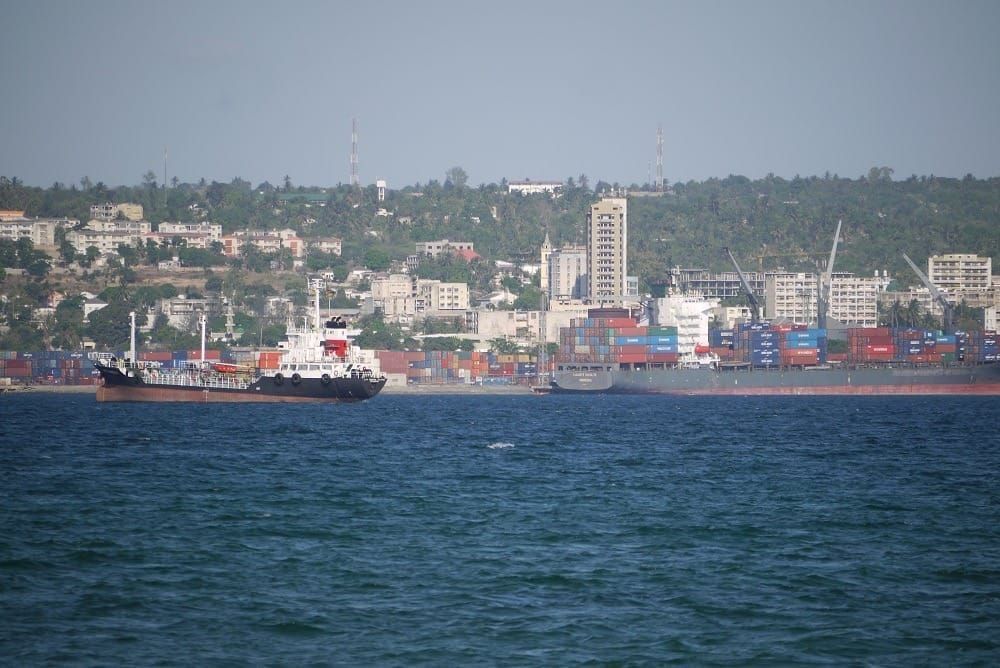
Good morning and welcome to yesterday's newsletter. Mozambique found itself unexpectedly caught up in one of the world's most sensitive geopolitical flashpoints this week after the LPG tanker Disha was attacked in Iranian waters while sailing under the Mozambican flag. The government's maritime authority, Itransmar, responded quickly, insisting the vessel has never been registered in Mozambique and has no right to fly its flag. The registration, it said, was fraudulent.
This is not an isolated case. In March, the tanker Deyna, suspected by France of belonging to Russia's sanctions-busting "shadow fleet", was intercepted in the western Mediterranean while also claiming to sail under the Mozambican flag. French investigators concluded that the registration was false, but found no evidence that the Mozambican authorities themselves had issued it. But two cases in four months suggest a pattern rather than a coincidence.
The full Daily Briefing continues below for Pro subscribers. Subscribers to the Zitamar News tier can read the top half, including the full leader article, here.
Commercial vessels cannot simply decide to change nationality by painting a different flag on the stern. A ship can only have one nationality at a time. Registering under a new flag requires its previous registration to be cancelled and replaced with documentation recognising the new flag state. If vessels are repeatedly appearing with apparently credible Mozambican registration, somebody is producing documents capable of convincing foreign authorities that those ships belong on Mozambique's register.
Who? Industry figures contacted by Zitamar stressed that registering vessels is exclusively the responsibility of Itransmar, but also described corruption within the maritime administration as a longstanding concern. Their suspicion is not that the Mozambican state has adopted a policy of providing cover for sanctions evasion or illicit shipping, but that individuals may be exploiting weaknesses in the system, issuing or selling fraudulent registration certificates without official authorisation.