
Last week’s events in Mozambique brought into sharp focus three long-running challenges: the risks faced by journalists investigating powerful interests, an economy constrained by persistent foreign-currency shortages, and a northern insurgency that continues to adapt despite years of counter-insurgency operations.
A journalist targeted — and renewed concerns for press freedom
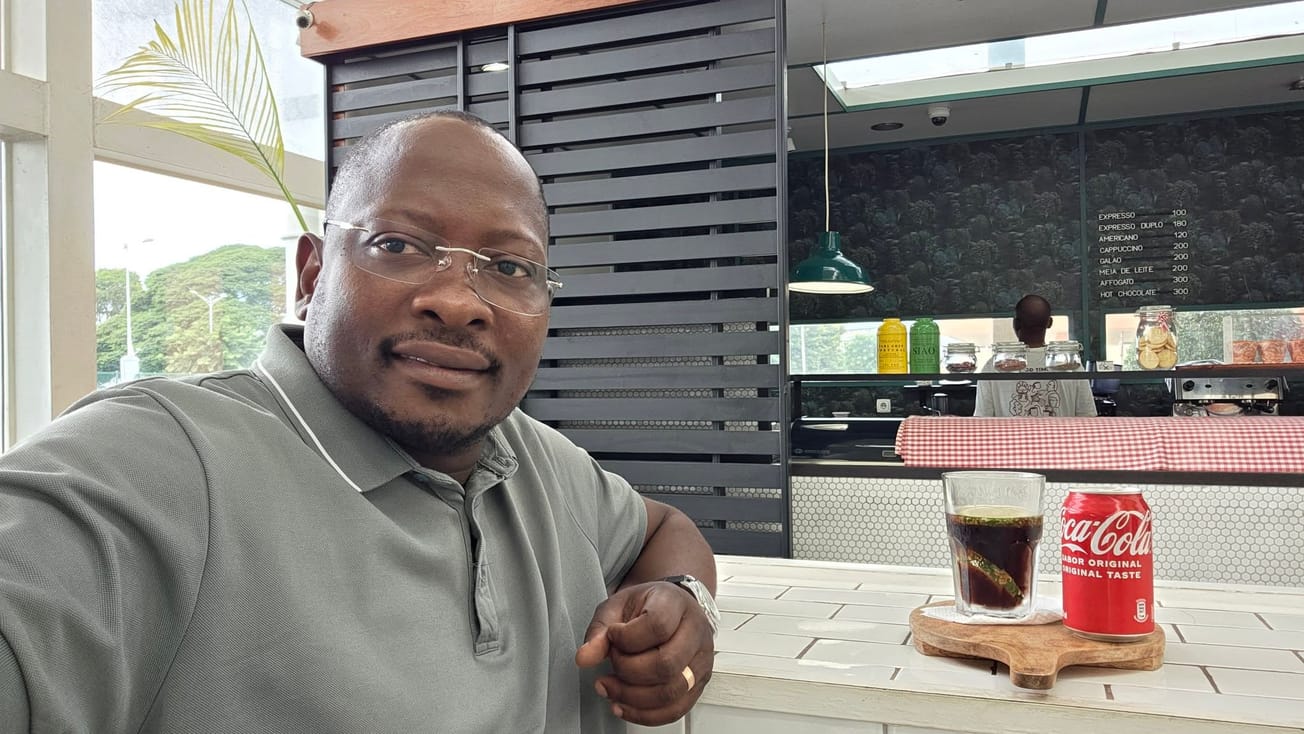
Press-freedom concerns sharpened this week following an apparent targeted attack on Carlitos Cadangue, an STV correspondent in Manica province, whose car was shot at in Chimoio. Cadangue has been closely associated with reporting on illegal and informal gold mining in Manica — a sector that has expanded rapidly amid high global gold prices and weak enforcement.
Illegal mining in the province has become deeply entwined with environmental damage, unsafe working conditions, and allegations of political protection. Rivers have reportedly been polluted by mining activity, raising concerns about downstream impacts on water supplies and infrastructure linked to the Chicamba dam system. Several sites have also been associated with fatal accidents, including collapses and explosions.
One concession in particular — commonly referred to as “Seis Carros” — has become emblematic of these tensions, featuring prominently in public debate and reportedly connected to figures close to provincial authorities. Cadangue had previously received threats linked to his reporting, underlining the risks faced by journalists covering extractive industries in politically sensitive settings.
For President Daniel Chapo, the attack is more than a criminal case: it is a test of political will. While authorities have previously ordered suspensions of mining activity in response to public pressure, the credibility and durability of those decisions — and of any investigation into the attack — will be closely watched.
 Zitamar News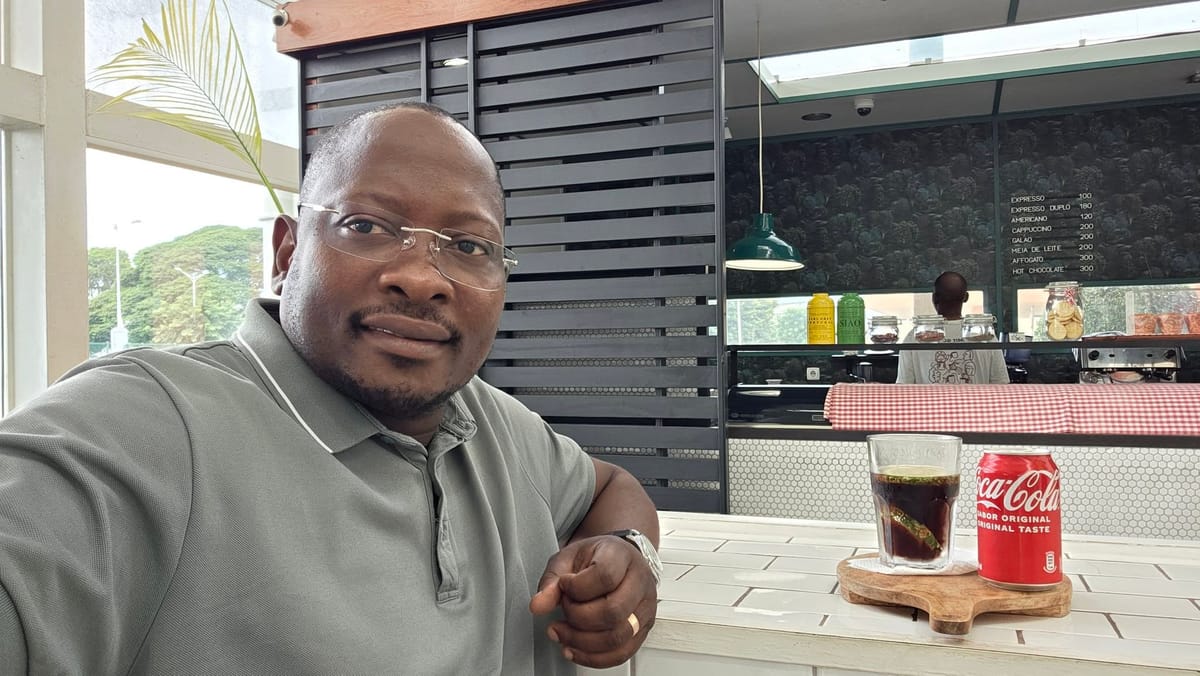
Will accountability follow?
The case has revived scepticism about whether politically sensitive crimes are investigated to their conclusion. Mozambique’s investigative authorities face a credibility gap after a series of controversial or inconclusive cases, and public confidence remains fragile.
Cadangue is reported to have provided specific details about the attackers, including the type of vehicle involved. Whether those leads are pursued rigorously — or quietly set aside — will signal how seriously the state is prepared to confront violence linked to powerful economic interests.
SEE ALSO:
 Zitamar News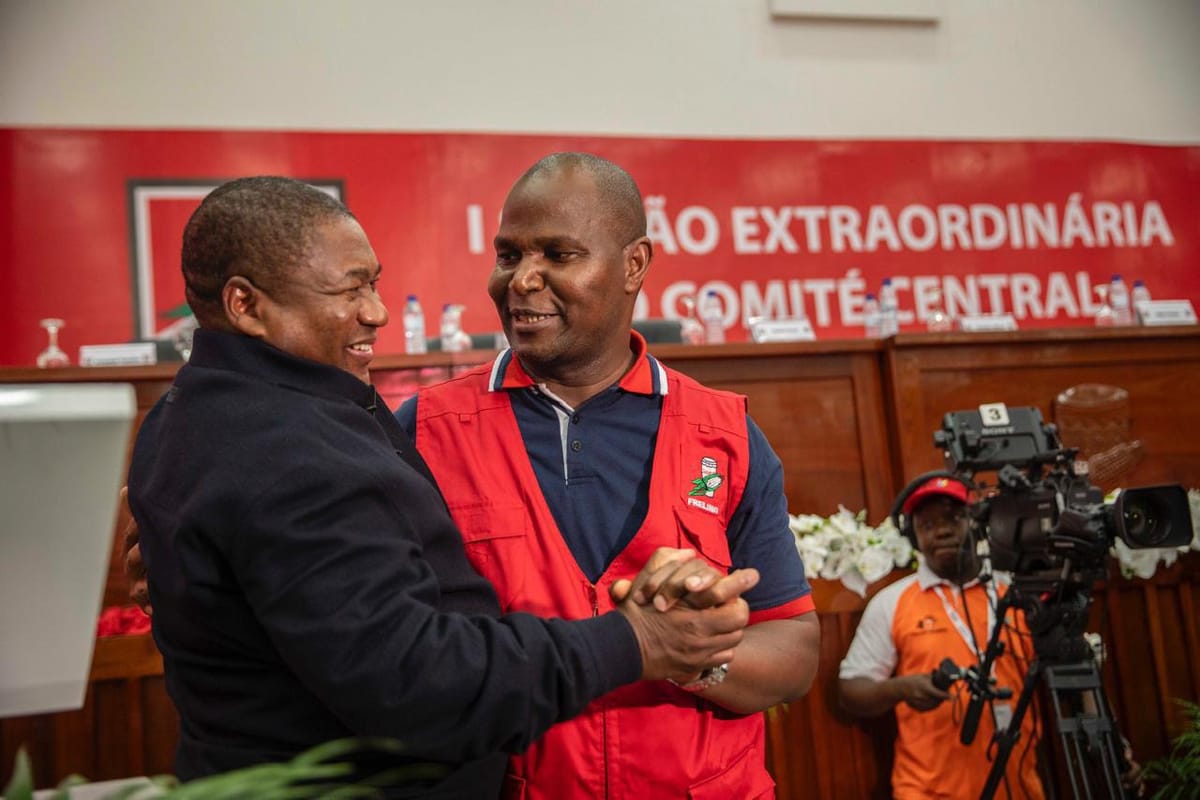
A rate cut highlights — but does not resolve — the forex squeeze
On the economic front, the Bank of Mozambique reduced its policy rate from 9.5% to 9.25%, a move welcomed by parts of the business community. But the more pressing concern raised by private-sector groups is the continued scarcity of foreign currency, which is constraining imports, production, and pricing across the economy.
The problem is structural rather than technical. Mozambique remains heavily dependent on imports — from fuel to basic foodstuffs — while foreign-currency inflows from investment and exports remain weak after a difficult year. With fewer dollars entering the system than the economy demands, pressure builds throughout supply chains.
Business associations have urged the central bank to ease foreign-exchange rules, including by reducing reserve requirements on commercial banks. Reducing reserve requirements would increase the supply of dollars available to banks and importers in the near term. But without stronger inflows from exports, investment or aid, the relief would be limited and temporary.
 Zitamar News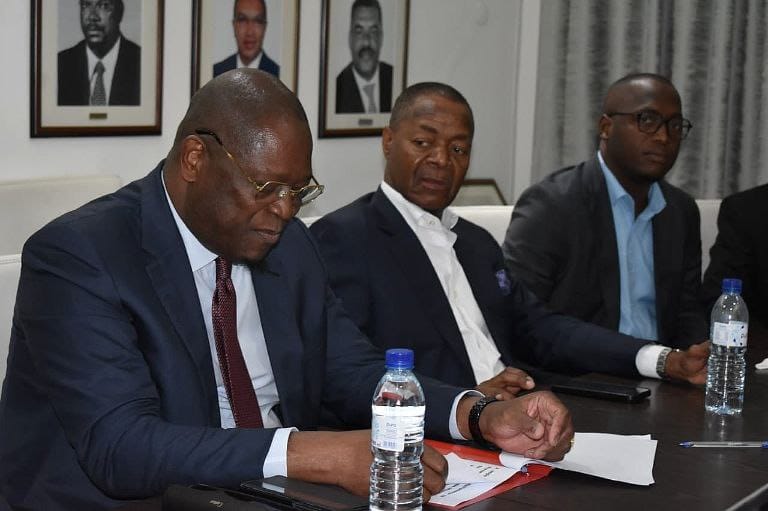
Growth outlook remains subdued
Standard Bank and other analysts continue to paint a cautious picture. Growth this year is expected to remain modest — around 1% — following a prolonged period of stagnation. The economy has yet to regain momentum, and expectations for a strong rebound remain limited.
Hopes of recovery continue to rest on large-scale investment projects, particularly in gas. For now, however, their broader economic impact remains prospective rather than immediate.
Cabo Delgado: violence continues, tactics evolve
In northern Mozambique, the insurgency in Cabo Delgado showed further signs this week of adaptation rather than retreat.
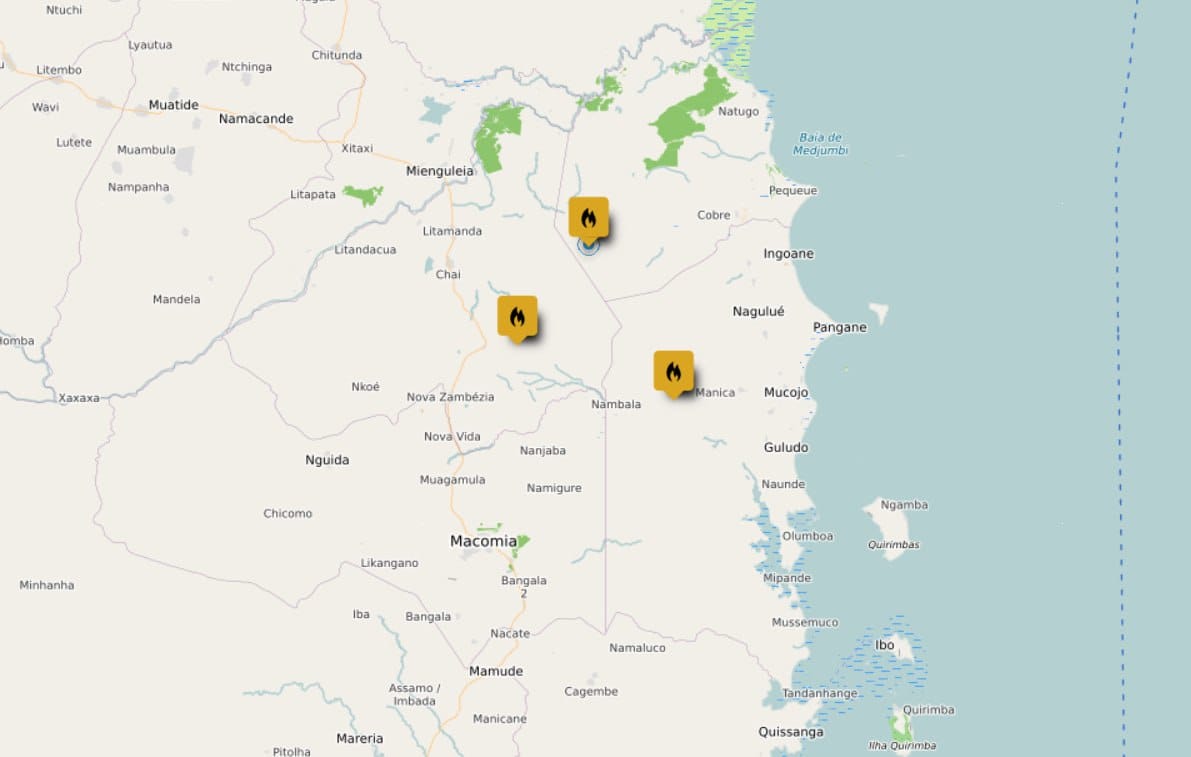
Reports indicated that insurgents were killed at sea near Mocímboa da Praia, while nine Mozambican soldiers were confirmed dead in two coordinated attacks in Macomia district. Together, the incidents underline the persistence of the threat despite years of military operations.
 Zitamar News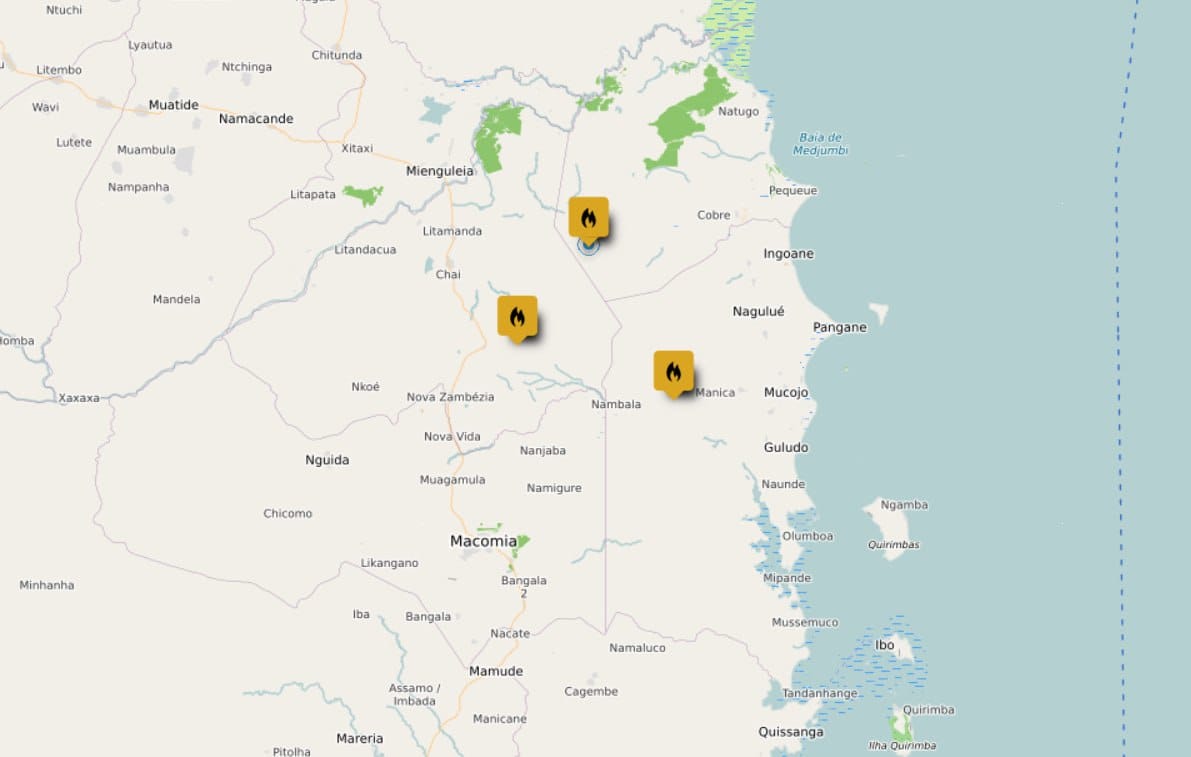
Insurgent activity appears to rest on three overlapping strategies:
- coercive engagement with communities, often framed as reconciliation or “peace”;
- economic extraction, including food demands, extortion of traders, and ransom payments increasingly facilitated via mobile money; and
- targeted military attacks, including against Rwandan forces supporting Mozambique’s counter-insurgency effort.
Public understanding of the conflict remains constrained, with much of what is known pieced together from limited official disclosure, insurgent messaging, and independent reporting by outlets such as Zitamar and the Mozambique Conflict Monitor.
Floodwaters recede — but risks remain
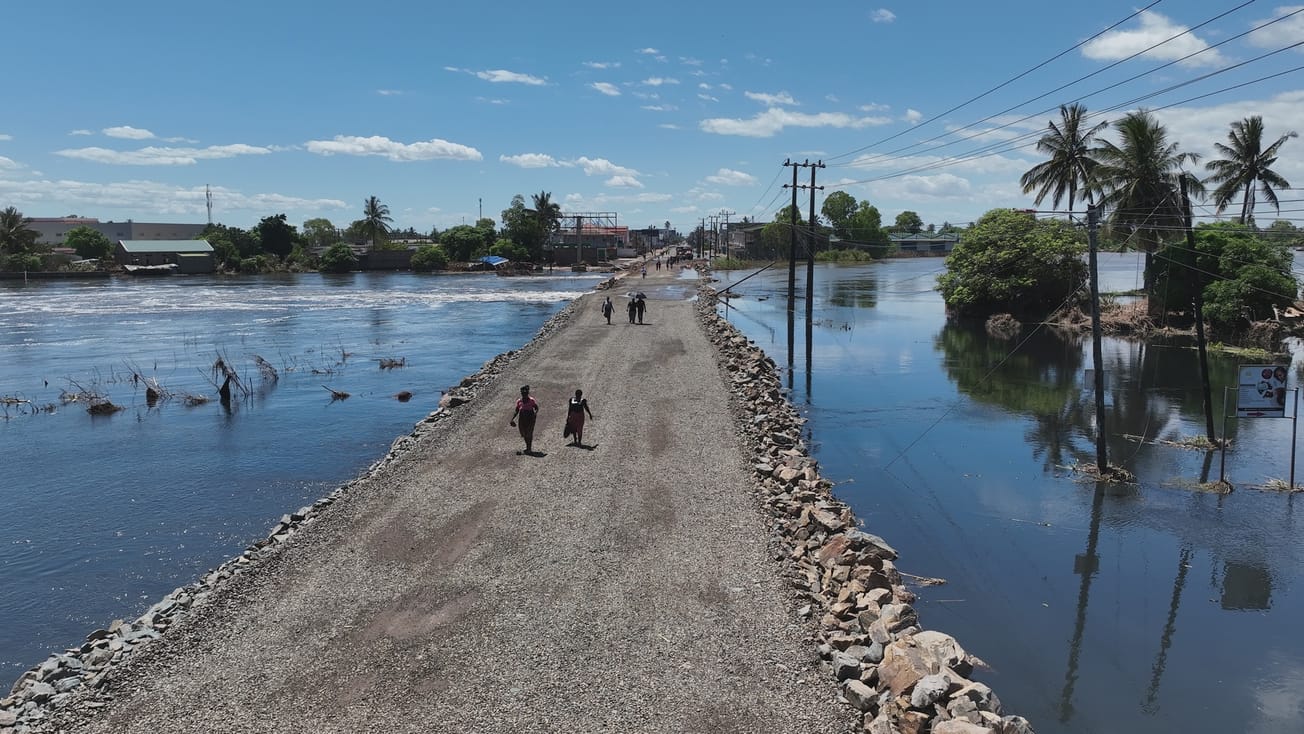
Finally, while floodwaters in parts of the country have begun to recede, risks remain elevated as the rainy season continues into March. Authorities are monitoring the potential formation of new severe weather systems, including the risk of cyclonic activity in the coming weeks.
Stay informed: subscribe to the Zitamar Daily Briefing
Mozambique is navigating a period of heightened consequence — where decisions on security, accountability, and economic management will shape the country’s trajectory for years to come.
The Zitamar Daily Briefing delivers the most important Mozambique stories every weekday, combining independent reporting with clear analysis and local insight.
If Mozambique matters to your work — in business, policy, diplomacy, research, or journalism — the Daily Briefing is the most reliable way to stay informed at a pivotal moment in the country’s history.
Subscribe to the Zitamar Daily Briefing to understand what’s really happening in Mozambique.