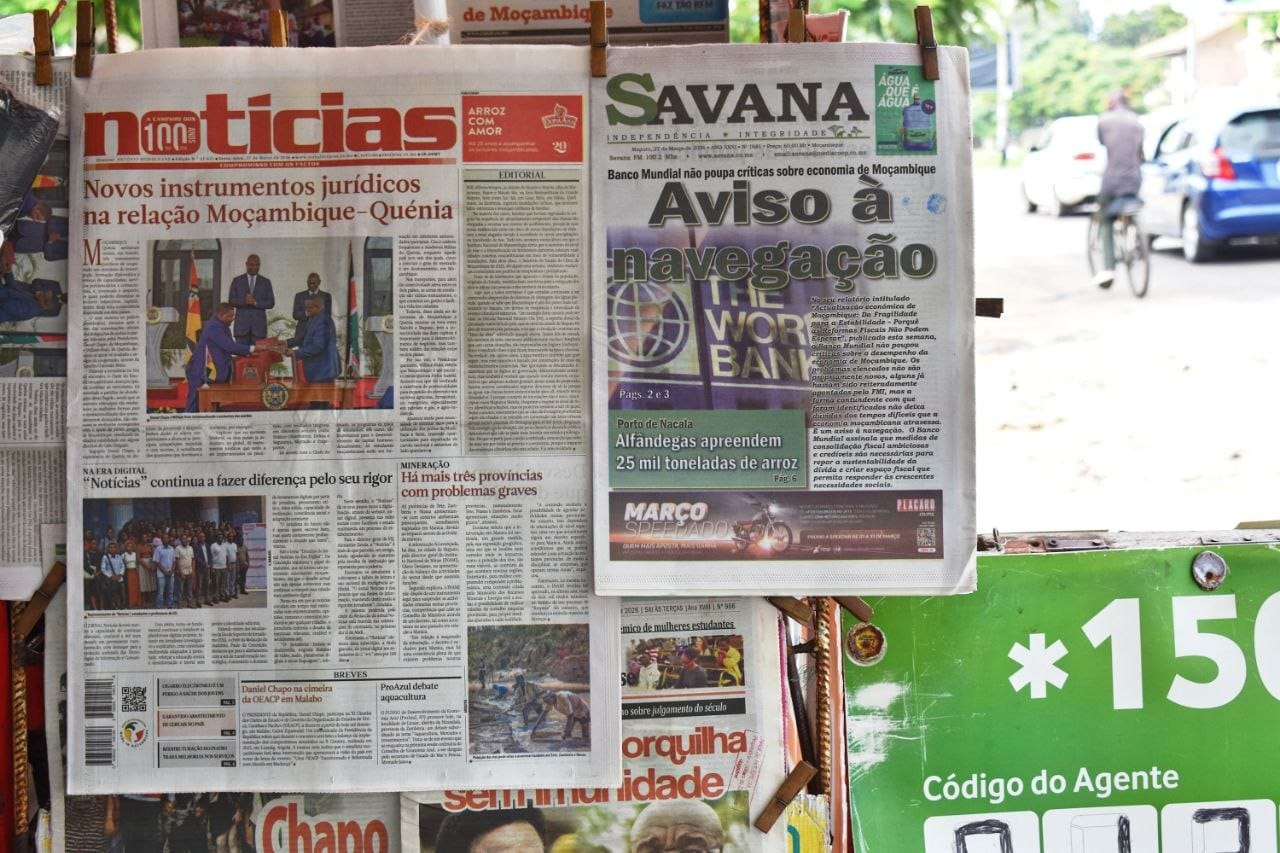
Good afternoon. Government ministers are going to be practising their lines ahead of attending the “spring meetings” of the International Monetary Fund (IMF) and the World Bank in Washington DC in two weeks’ time. It will be their first chance to sit down with IMF executives since their visit to Mozambique at the end of last year. That meeting, of course, failed to result in a loan deal from the IMF, to the government’s disappointment. And in the meantime, an increasing number of red lights have started flashing on its dashboard.
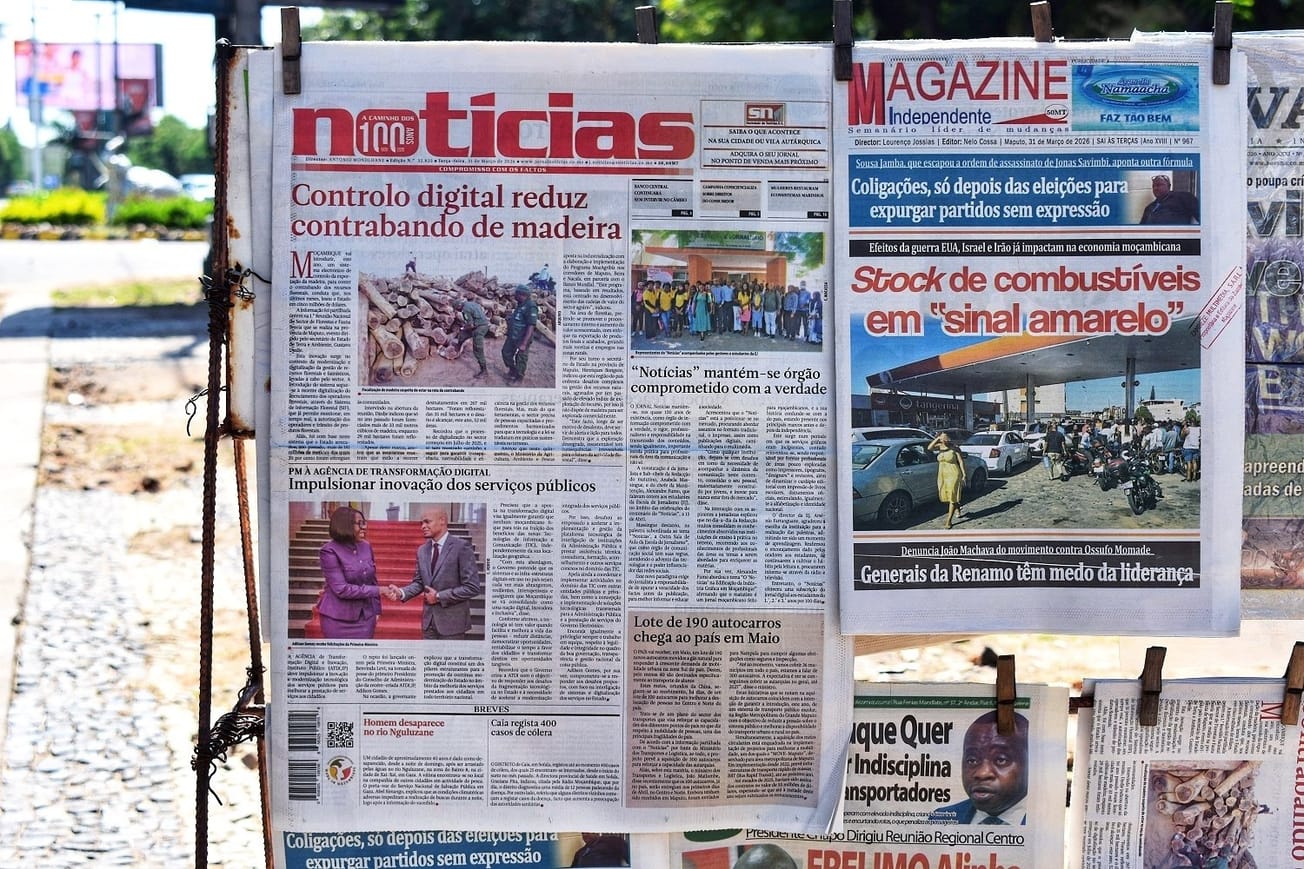
As the war in the Middle East drags on, the picture of the damage it is doing to Mozambique’s economy is only getting worse. Mozambique’s external public sector debt is now considered the most risky in Africa by the bond market: yesterday, the yield on the state’s sole eurobond hit 16.29%, or more than 14 percentage points above US treasury bonds. Anything above a 10 percentage point margin over US treasuries is considered distressed debt territory. The Bloomberg news service reported yesterday that the war had led to a rise in the pricing of emerging market risk, especially for those countries that import energy. But even by those standards, it added, Mozambique had performed particularly badly: its debt has gone up in yield more than the African average.
The full Daily Briefing continues below for Pro subscribers. Subscribers to the Zitamar News tier can read the top half, including the full leader article, here.
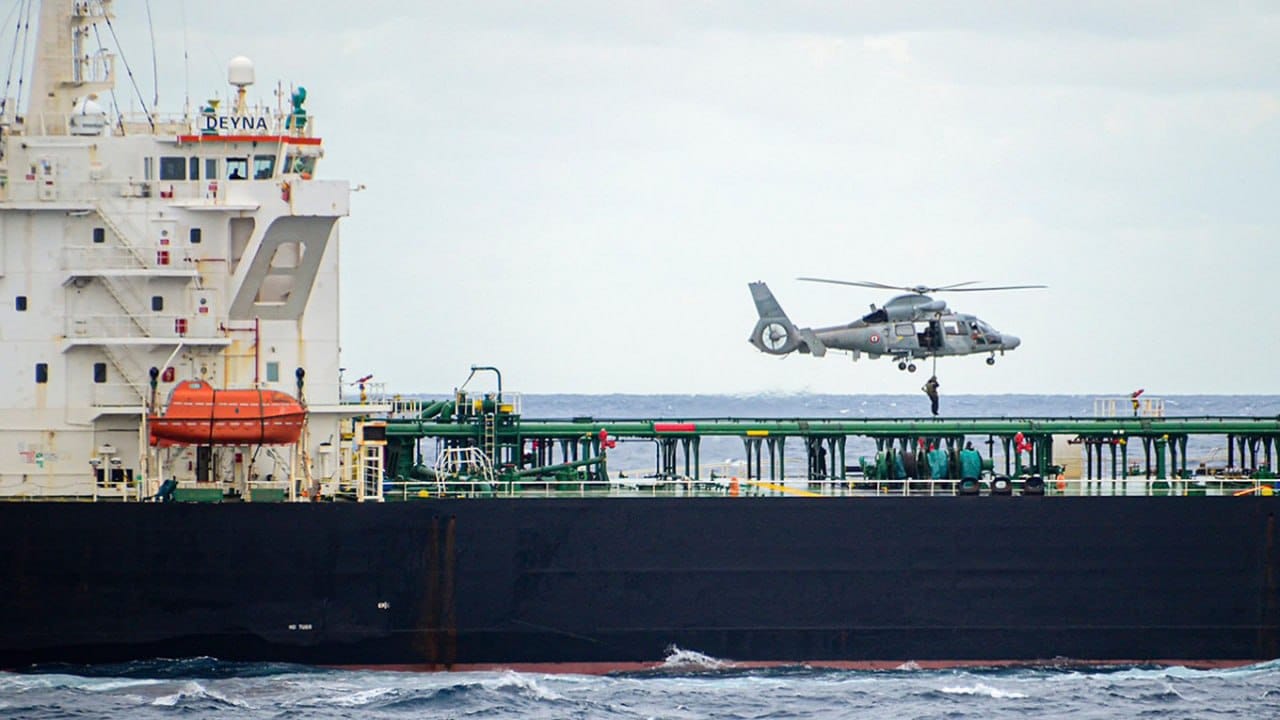
To repeat a point that this newsletter made last week, while just about every country is being harmed by the Middle Eastern conflict, Mozambique is particularly exposed. Not only does it import fuel, but fuel imports make up a significant proportion of imports by value, and a lot of that fuel (notably fuel from oil produced in the United Arab Emirates) comes from shipments that have to pass through the Strait of Hormuz, where oil tanker traffic has collapsed due to the threat of Iranian drone attacks. The secretary of state for the treasury, Amilcar Tivane, has said that the country can deal with oil prices up to $120 a barrel, but yesterday, the Brent crude oil benchmark price hit $117. In addition, the rise in fertiliser prices is set to drive up the cost of food in a country that imports a lot of foodstuffs.