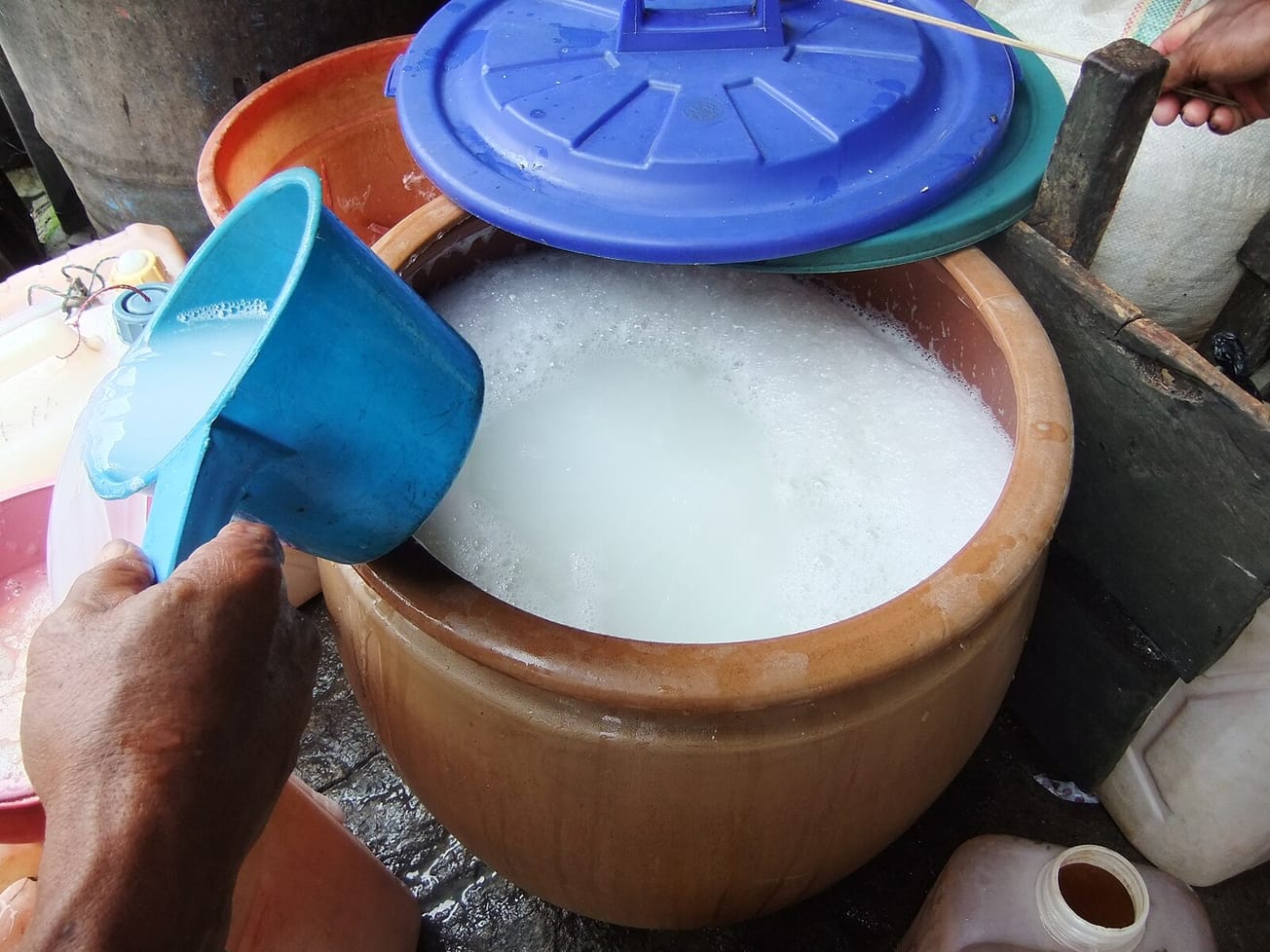
Good afternoon. It is doubtful how much of a difference the government’s new restrictions on alcohol sales (see below) will make to the widespread problem of alcohol abuse. For a start, while larger shops and supermarkets face restrictions on when they can sell drinks, smaller shops and street stalls are exempted. The latter are more expensive, and a lot of problem drinking is done by the poor and unemployed. If they have to pay more, that is likely to curb their intake. On the other hand, there are no restrictions on selling drinks during the daytime, except on Sundays.
The full Daily Briefing continues below for Pro subscribers. Subscribers to the Zitamar News tier can read the top half, including the full leader article, here.
Secondly, the restrictions on making the so-called “xivotxongo”, a cheap, strong drink, may not be effective. By banning the use of pure ethanol (that is, alcohol) in the production of alcoholic drinks, the government probably hopes to stamp out xivotxongo production altogether. But even if its production disappears in Mozambique, a healthy illegal trade in smuggled drinks will continue across the South African border. Drinks manufacturers in Mozambique are used to dealing with production restrictions, anyway: they change the branding and colouring of their drinks and then carry on as before.