Welcome to a pilot edition of Angola Today, bringing summaries and analysis from the Angola Briefing team on the biggest headlines coming out of Angola today.
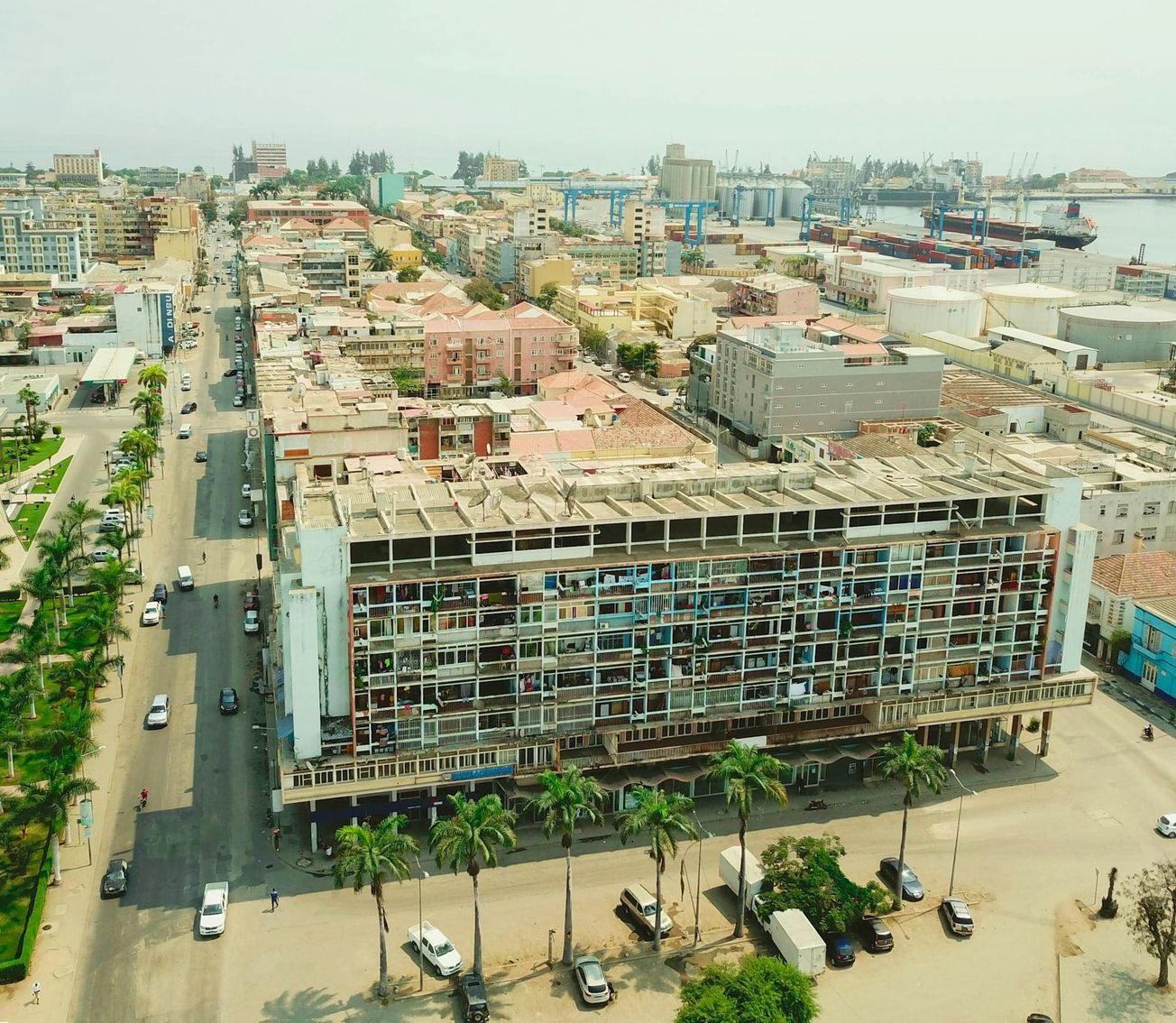
The weekly Angola Briefing webinar will take place this afternoon, asking the question of whether economic development reaches beyond the capital, Luanda, or whether the provinces are fated to be left behind. Watch live from 3pm, or catch up with the recording, here:
 Zitamar Ltd
TODAY'S BRIEFING
- MPLA — Party leaves leadership contest open as Higino Carneiro challenges his exclusion
- ECONOMY — World Bank raises Angola's growth forecast to 4.5%
- ANTI-CORRUPTION — Prosecutors pursue $3bn abroad as authorities report 3,200 inspections
- PRIVATISATION — State auctions its 59% stake in Aldeia Nova
- COURTS — Chikoti case expands to include further government witnesses
- DIGITAL ECONOMY — Government gets 90 days to legislate on electronic signatures
MPLA leaves leadership contest open as Carneiro challenges exclusion
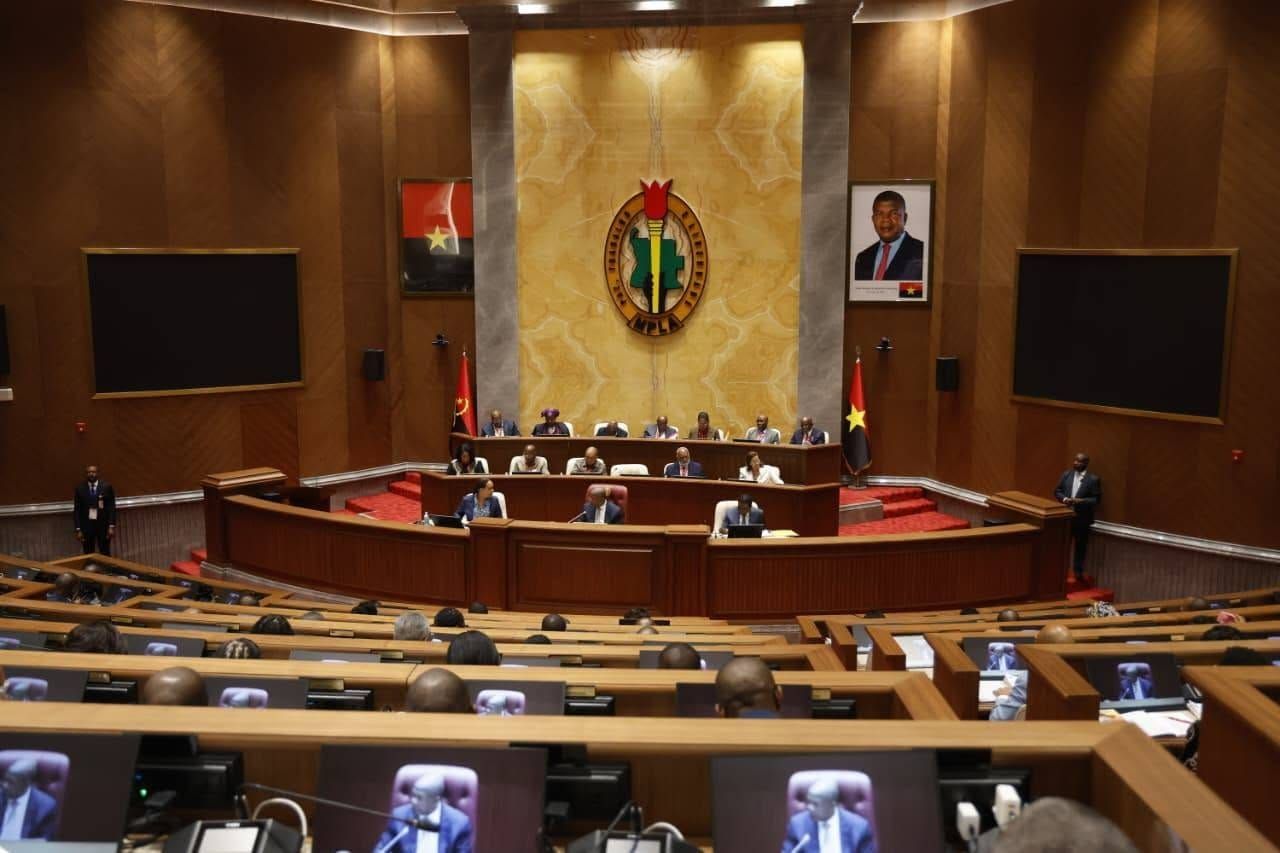
The MPLA says it is too early to determine whether its December congress will feature more than one candidate for the party presidency, despite the rejection of former general Higino Carneiro's attempt to challenge João Lourenço.
Party spokesman Esteves Hilário said the position should become clearer by the end of October. Provincial conferences to renew party structures are due to conclude on 10 October, ahead of the 9–10 December congress, which will bring together around 3,000 delegates.
Candidates for the MPLA presidency must obtain at least 5,000 supporting signatures from party members across the country.
Carneiro's application was invalidated after the party alleged serious irregularities in his supporting documentation. He disputes his exclusion and has continued pursuing internal and legal remedies. The Constitutional Court declined to suspend the party's decision in September.
Sources: Novo Jornal — MPLA leadership contest · DW — Carneiro's challenge
More recently, Paula Cristina Roque argued in our discussion of Angola's security apparatus that succession is taking place within a ruling party marked by internal divisions. With Lourenço constitutionally barred from a third presidential term, control of the MPLA leadership will also shape the selection of its candidate for the 2027 election.
WHAT TO WATCH
The completion of provincial conferences on 10 October, further decisions on Carneiro's appeals, and the party's announcement on whether multiple candidacies will be accepted. A formally open process would not necessarily mean a competitive one.
World Bank upgrades Angola's growth forecast to 4.5%
The World Bank has raised its forecast for Angola's economic growth in 2026 to 4.5%, up from the 3.1% recorded in 2025, citing stronger economic activity and favourable conditions for the oil sector.
The economy expanded by 8.74% year on year in the second quarter, with activity outside the oil sector contributing to the improvement. The Bank expects growth to moderate to 3.3% in 2027 and 3.1% in 2028.
Inflation is forecast to fall from 20.2% in 2025 to 10.3% this year, helped by stronger external revenues and easing price pressures.
Sources: World Bank — Angola overview · Lusa — revised growth forecast
Meanwhile, our earlier discussion of election-year spending highlighted the competing pressures of public debt, fuel subsidies and political demands ahead of 2027. Better growth gives the government more room to manoeuvre, but does not eliminate those trade-offs.
WHAT TO WATCH
Whether stronger growth translates into private-sector hiring, investment and household purchasing power — and whether the government uses improved revenues to reduce fiscal vulnerabilities or expand spending before the election.
Angola pursues $3bn abroad as anti-corruption inspections top 3,200
Angola's Attorney General's Office says assets and funds worth up to $3bn are under discussion in foreign jurisdictions as part of efforts to recover property allegedly linked to economic and financial crimes.
Deputy attorney general Africano dos Santos Gamboa said authorities were expanding cooperation with foreign counterparts, including in Cyprus and Luxembourg, alongside proceedings involving countries such as Portugal and Switzerland. The figure represents assets being pursued, not money already returned to Angola.
Separately, authorities say they conducted more than 3,200 inspections of public administration bodies between June 2024 and June 2026, alongside approximately 111 audits, under the National Strategy for the Prevention and Repression of Corruption (ENAPREC). Officials report that implementation of the strategy's planned measures has exceeded 90%.
Sources: O País — asset recovery · O País — anti-corruption inspections
Our recent Who owns Angola? Briefing explored whether the government's reforms are changing the underlying concentration of economic power or simply redistributing assets. The stronger test of the anti-corruption campaign will be how much money is actually recovered, what happens to it afterwards, and whether enforcement becomes more transparent and consistent.
WHAT TO WATCH
Confirmed asset repatriations, published inspection findings, prosecutions and disciplinary measures — and greater transparency over how recovered funds are used.
State puts its 59% stake in Aldeia Nova up for auction
The Angolan state is offering its 59% shareholding in Aldeia Nova through an electronic auction, with a reference value of approximately Kz11.3bn.
The agribusiness project combines agricultural production, livestock and food processing, and works with 15 villages, including families of former military personnel. Its activities include the production of poultry, dairy products and crops.
The sale forms part of the government's continuing programme to transfer state-owned assets into private hands.
Source: Correio da Kianda — Aldeia Nova privatisation
The relevant questions here are who acquires the stake, whether the sale attracts competitive bidding, and how the new ownership structure will protect the project's productive capacity and relationships with surrounding communities. The auction price alone will not establish whether the transaction represents good value for the state.
WHAT TO WATCH
The identity of the winning bidder, the final sale price, any investment commitments and the treatment of workers and participating farming communities.
Chikoti case expands as Supreme Court calls more witnesses
Angola's Supreme Court has heard former foreign minister Georges Chikoti and businessman Bartolomeu Dias in pretrial proceedings concerning an alleged €15m property transaction linked to Angola's diplomatic premises in Portugal.
The court also heard existing witnesses, including former ambassador Marcos Barrica and former consul-general Cecília Baptista, and decided to summon additional officials from the finance and foreign affairs ministries.
Prosecutors accuse Chikoti of embezzlement and Dias of fraud. These remain allegations, and the current proceedings are intended to determine whether the case should proceed to trial.
Source: Novo Jornal — Supreme Court proceedings
WHAT TO WATCH
The testimony of the newly summoned officials and the judge's decision on whether the case proceeds to trial.
Angola moves towards a legal framework for electronic signatures
Angola's National Assembly has authorised the executive to establish a legal framework for electronic signatures, electronic documents and digital certification, giving it 90 days to legislate.
Legislative Authorisation Law 12/26, published on 2 October, covers the legal validity and evidential status of electronic documents, digital identity verification and the country's public-key infrastructure, known as ICP-AO.
The planned framework may also establish rules for recognising digital certificates issued abroad, potentially improving the legal basis for cross-border electronic transactions.
Source: O País — digital certification legislation
Our briefing on Investing in Angola examined the gap between formal reforms and the practical experience of operating in the country. The measure's commercial significance will depend on whether implementation closes that gap.
WHAT TO WATCH
The detailed regulations, the treatment of foreign digital certificates and the speed at which public agencies and businesses begin accepting electronic documents in practice.