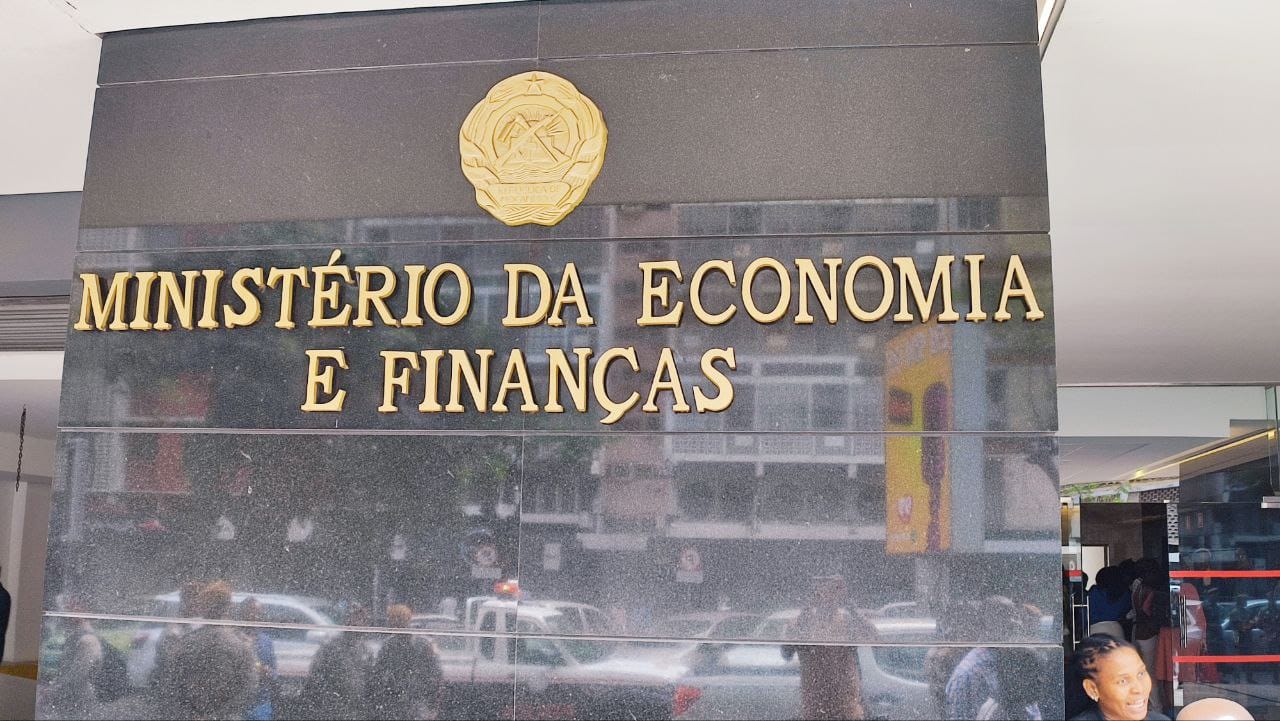
Good afternoon. The state budget for 2026 which was passed last week was an exercise in sensible, if unexciting pragmatism. It did not seek to plug the budget deficit, although it did propose to reduce it by a small amount, from nearly MZN127m ($1.98bn) in this year’s budget to MZN113.6bn in next year’s. Public spending is going up modestly by about MZN8bn ($125m), and revenue collection is meant to increase slightly more, by MZN21bn. Allowing for inflation, public spending and state revenue will barely increase (spending is still down compared to the 2024 budget, when it was set at MZN568m). Essentially, the government’s approach of funding the budget deficit with expensive domestic borrowing will continue, in the absence of a real alternative. State-owned companies with spare cash are being encouraged to spend it buying treasury bonds, so that at least the government has the funds to pay salaries and the interest on those bonds is repaid to the state instead of commercial banks.
The full Daily Briefing continues below for Pro subscribers. Subscribers to the Zitamar News tier can read the top half, including the full leader article, here.
But that does not mean that the government is not trying to save money. Several initiatives and projects have seen their funding frozen or reduced, and this week has seen announcements that state audit bodies and business inspectorates will be merged, an apparent result of President Daniel Chapo’s demand earlier this year for proposals to close or merge state bodies.