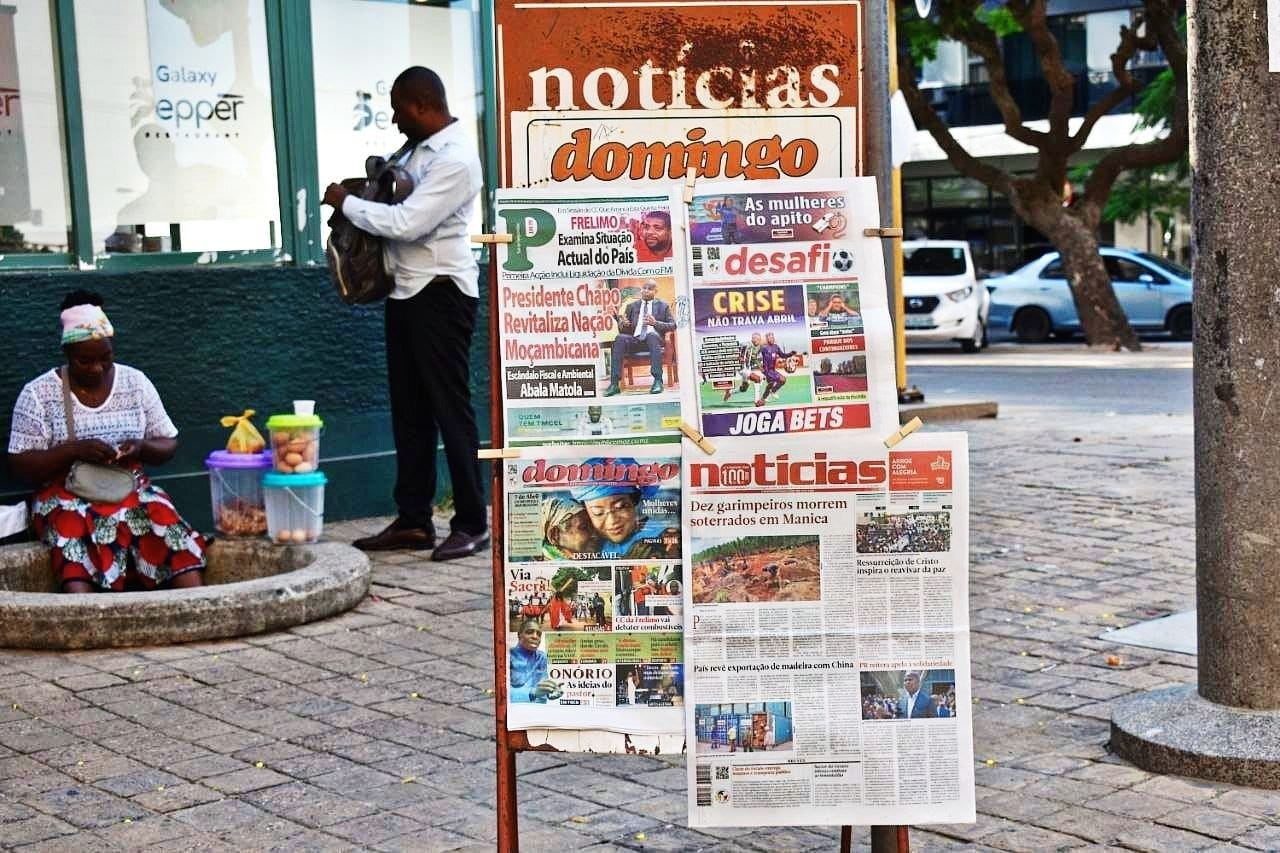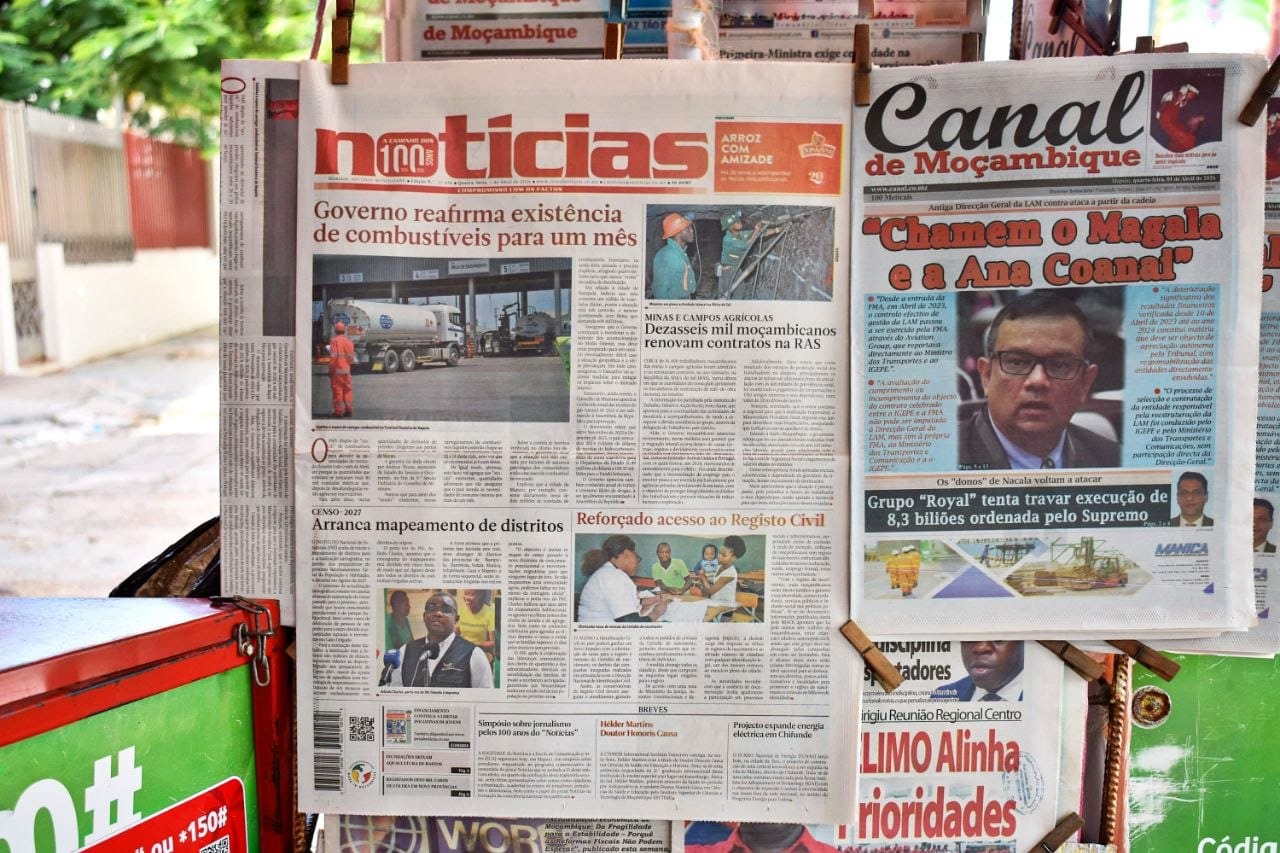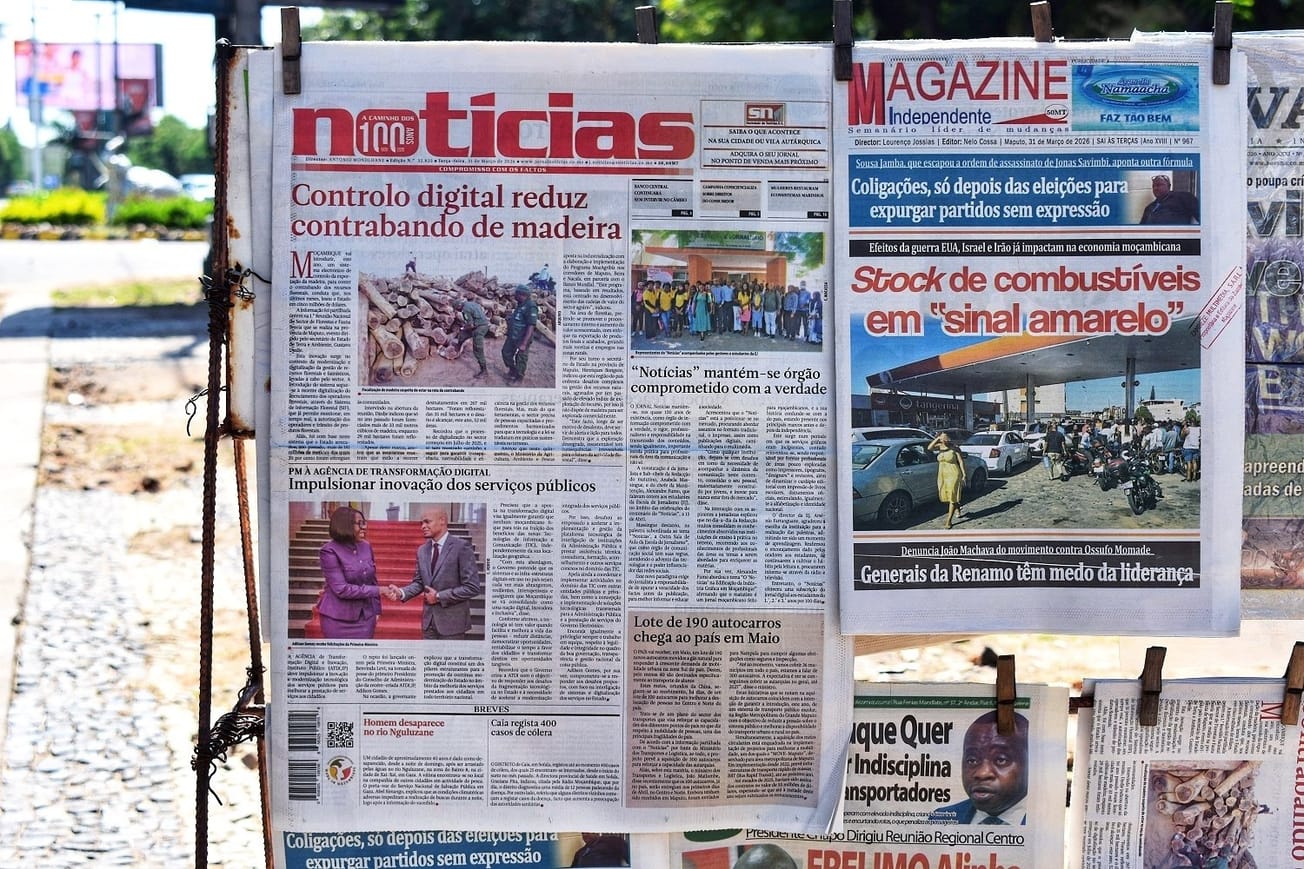
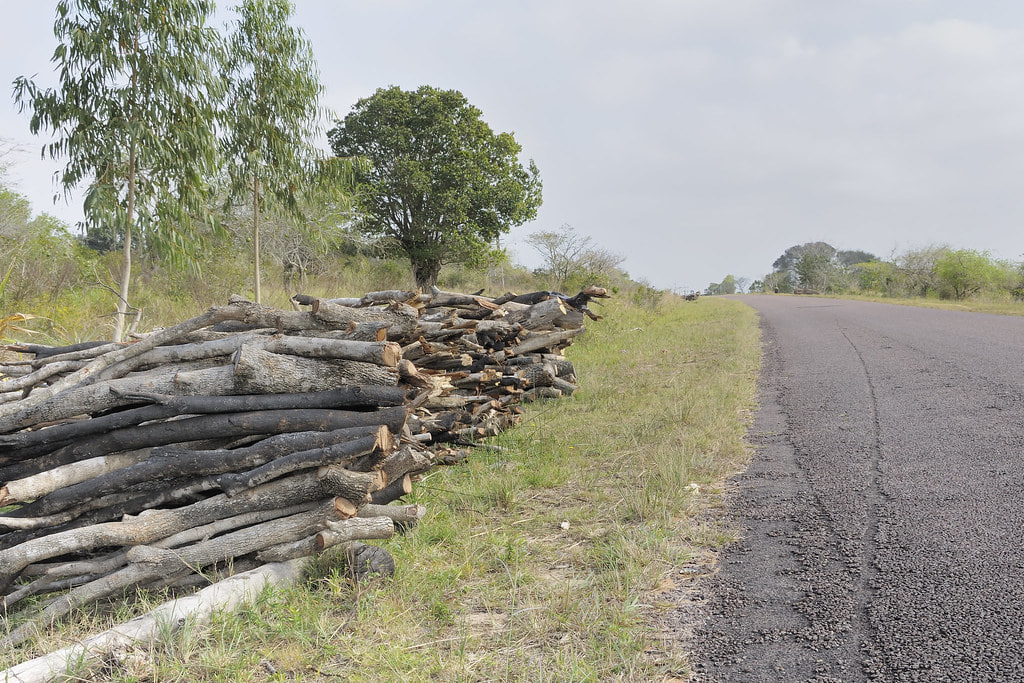
Good afternoon. Not for the first time, the Mozambican government is trying to use regulation as a tool of its strategy for growing the economy. Its latest idea is to ban the export of cut wood of all kinds (see below). The export of tree logs is already banned, but this ban would go a step further and mean that any wood cut in Mozambique would have to be made into a finished product, such as a piece of furniture, before being exported.
The idea is to encourage the development of manufacturing industries where value is added to raw materials, something that the current and previous governments like to talk about a lot. (Ministers’ plans to introduce an export tax on unfinished products have the same goal). But as yet, there are no signs that it is going to address the challenges that would prevent such industries from taking off.
The full Daily Briefing continues below for Pro subscribers. Subscribers to the Zitamar News tier can read the top half, including the full leader article, here.
Mozambique does make some furniture, but it is a premium product which is too expensive for the poor majority. It is also too expensive for public sector and corporate clients. A major buyer of furniture is the schools sector, but schools as a rule use cheap furniture made from composite materials like plywood and imported from China. The same problem arises with construction wood. It is cheaper to use aluminium windows than wooden ones. Senior figures in the ruling Frelimo party are involved in import businesses, including furniture imports: for example, Claudia Nyusi, the daughter of former president Filipe Nyusi, imports school desks from China. There are therefore powerful vested interests that do not want furniture imports to be threatened. At present, Frelimo elites are involved in the illegal export of unprocessed timber to China, in collaboration with Chinese logging companies (although timber smuggling has decreased in recent years).