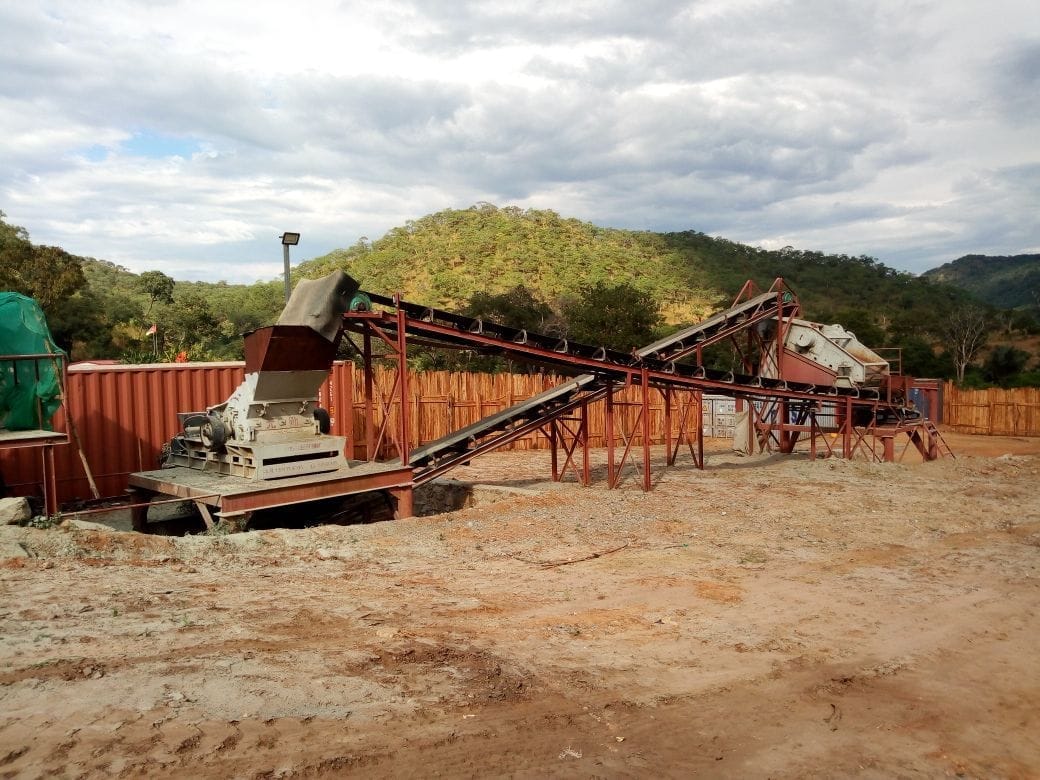
Good afternoon. The gold rush in central Mozambique continues to intensify, and as it does so, it claims more and more human and environmental victims (see below). Farmers are seeing their farmland destroyed, unlicensed miners are inflicting savage wounds on each other and waterways are being polluted. The farmland affected, for example in Sofala province’s Gorongosa district, is among the most fertile in the country.
The full Daily Briefing continues below for Pro subscribers. Subscribers to the Zitamar News tier can read the top half, including the full leader article, here.
The latest from Zitamar News:
 Zitamar News
 Zitamar News
Mozambique has always had informal mining, but this current fever in the central provinces has been brought on by recent gold discoveries and a rise in the gold price on international markets. A less visible but still damaging effect is that children are being diverted away from school to dig for gold.
In fact, the government has made an effort in recent years to legalise unlicensed, informal miners, known as garimpeiros, so that they can carry on their trade without harm to other people or the environment. But such measures, which are gradual and employed on small groups of miners, are totally inadequate to deal with the waves of people suddenly flooding into Manica and Sofala provinces.