Good afternoon. The fuel price crisis paralysing parts of Maputo and Matola this week was triggered by a sharp rise in diesel prices. But it was not fundamentally caused by it.
What the chaos on the streets has really exposed is the extent to which Mozambique has allowed urban transport to become dependent on an informal system that the state neither properly controls nor truly trusts — yet cannot function without.
The full Daily Briefing continues below for Pro subscribers. Subscribers to the Zitamar News tier can read the top half, including the full leader article, here.
The latest from Zitamar News:
 Zitamar News
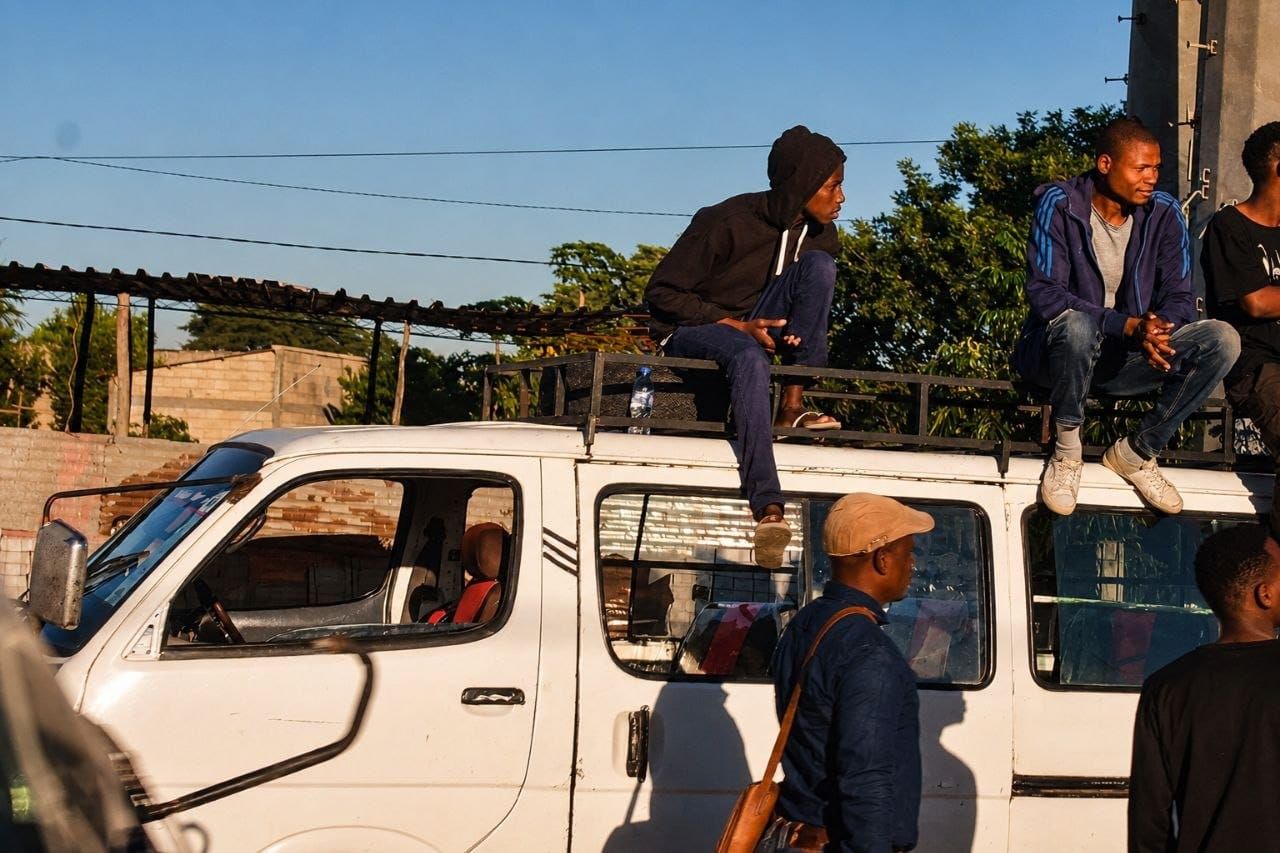
For years, the country’s minibuses, or chapas, have filled the vacuum left by weak public transport provision. They are simultaneously indispensable and deeply dysfunctional: poorly regulated, often uninsured, overcrowded and dangerous. Yet every attempt to discipline or reform the sector quickly collides with a simple reality: if the chapas stop, the cities stop too.
Operators protesting rising fuel costs have demonstrated just how much leverage the sector possesses. Reports of strikers intimidating other drivers into joining stoppages underline how fragmented and informal the system has become. Meanwhile, commuters have been left stranded at overflowing bus stops, walking long distances or simply staying home.