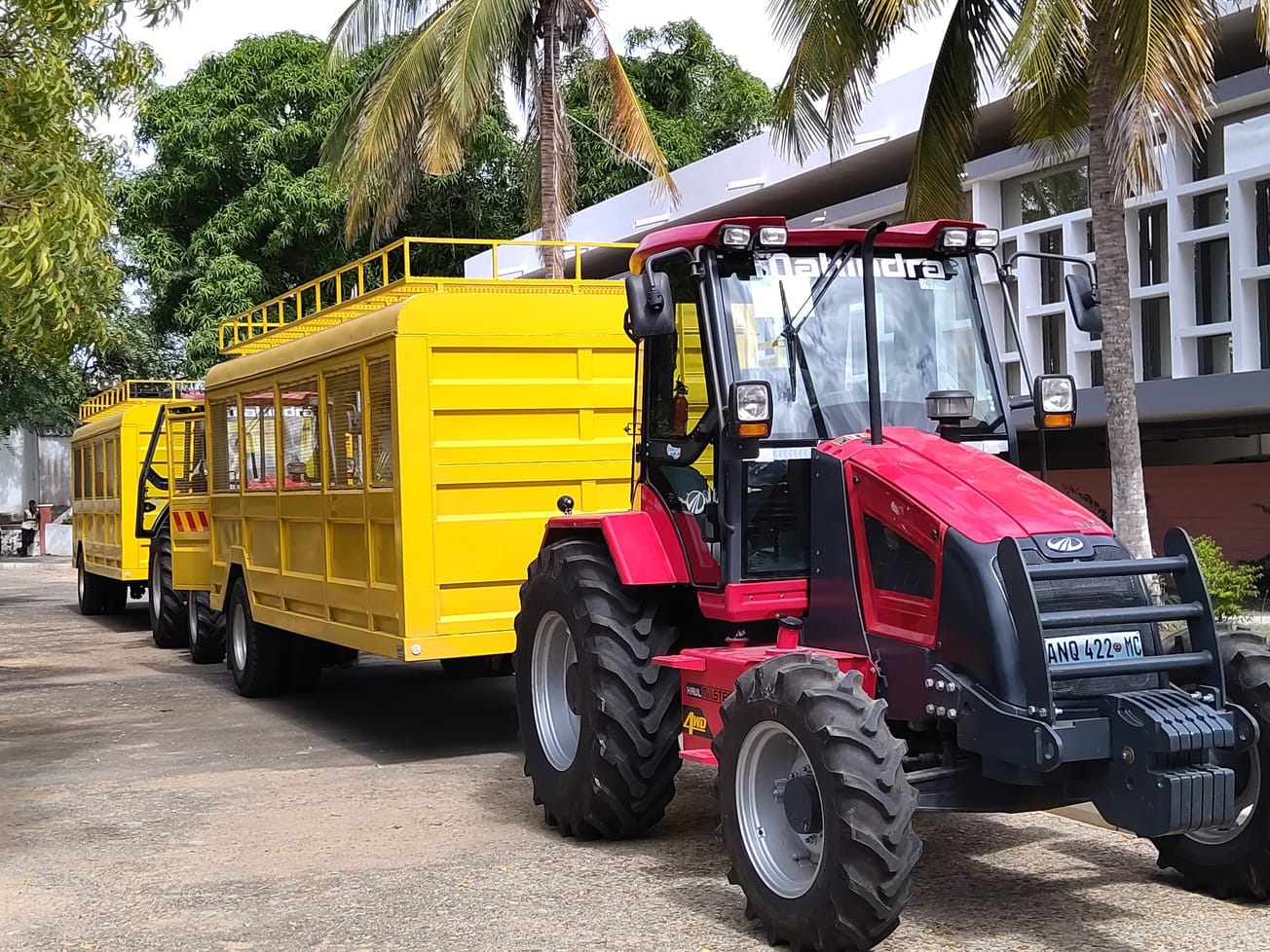
Good afternoon. Public transport in Mozambique is an underfunded and precarious business. Rail transport is limited to a handful of lines in the north, south and centre of the country. Bus services in the greater Maputo area provided by the private company Metrobus are reasonably well run, but depend on government subsidy, which the government could never afford to replicate all over the country. Most people in the cities rely on cheaper minibuses (chapas), which run on tight margins. Stolen fuel and tax evasion provide illicit subsidies for the operators. The drivers, whose exploitative bosses demand revenue targets from them, are forced to drive dangerously in an effort to pick up as many passengers as possible.
The full Daily Briefing continues below for Pro subscribers. Subscribers to the Zitamar News tier can read the top half, including the full leader article, here.
The latest from Zitamar News:
 Tom Gould
In rural areas, public transport is even less viable. The problem is not limited to Mozambique: even in developed countries, the low density of population in the countryside means that rural bus or train services often cannot operate without subsidy. But the high levels of poverty in rural Mozambique, combined with the lack of government funds for subsidy, makes it a particularly difficult issue. As a result, there are some short- and medium-distance routes along secondary roads that are just not served by any public transport service, or a service that is too infrequent. Pregnant women prefer to give birth at home than risk waiting for a late or cancelled service. The state of some roads can make journeys painfully long.