Good afternoon. The Mozambican media will no doubt be keenly discussing the new media laws which are going through parliament. Previous versions of these laws would have increased the restrictions on media freedom, for example by limiting the number of foreign journalists in the country and by requiring licensing of individual journalists. But the content of the media law (and the precise content of the new laws is still emerging) is only one aspect of media freedom in Mozambique. Another and perhaps more important one is the attitude the government takes towards the media - including the media it controls.
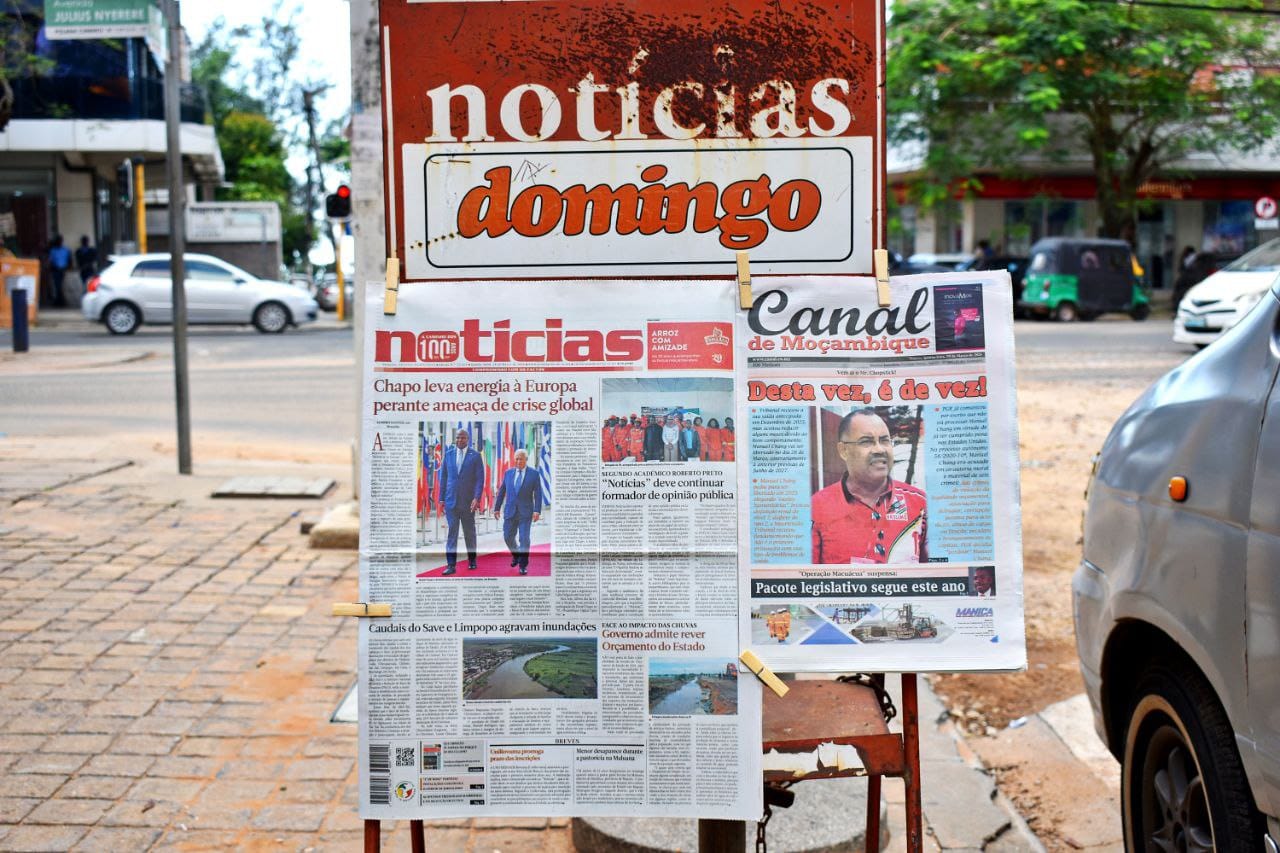
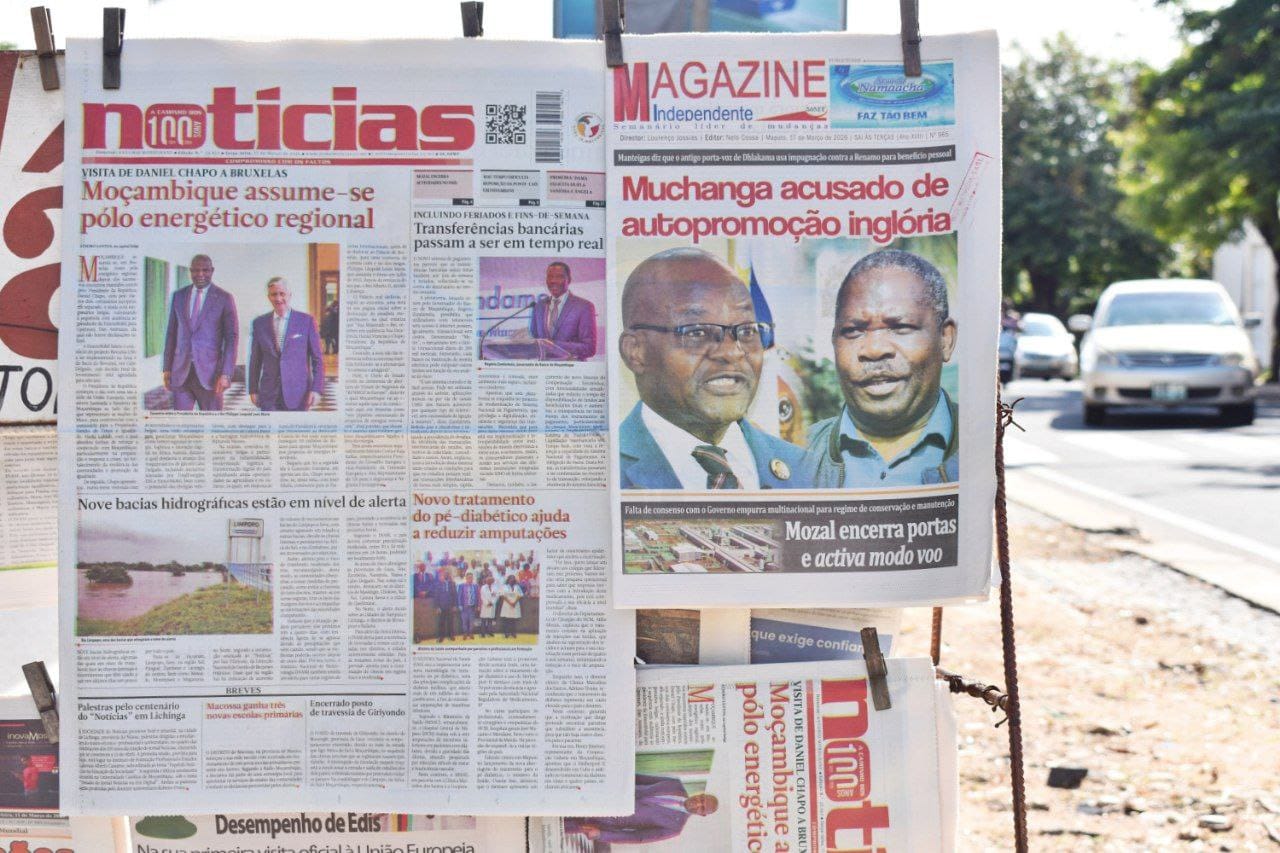
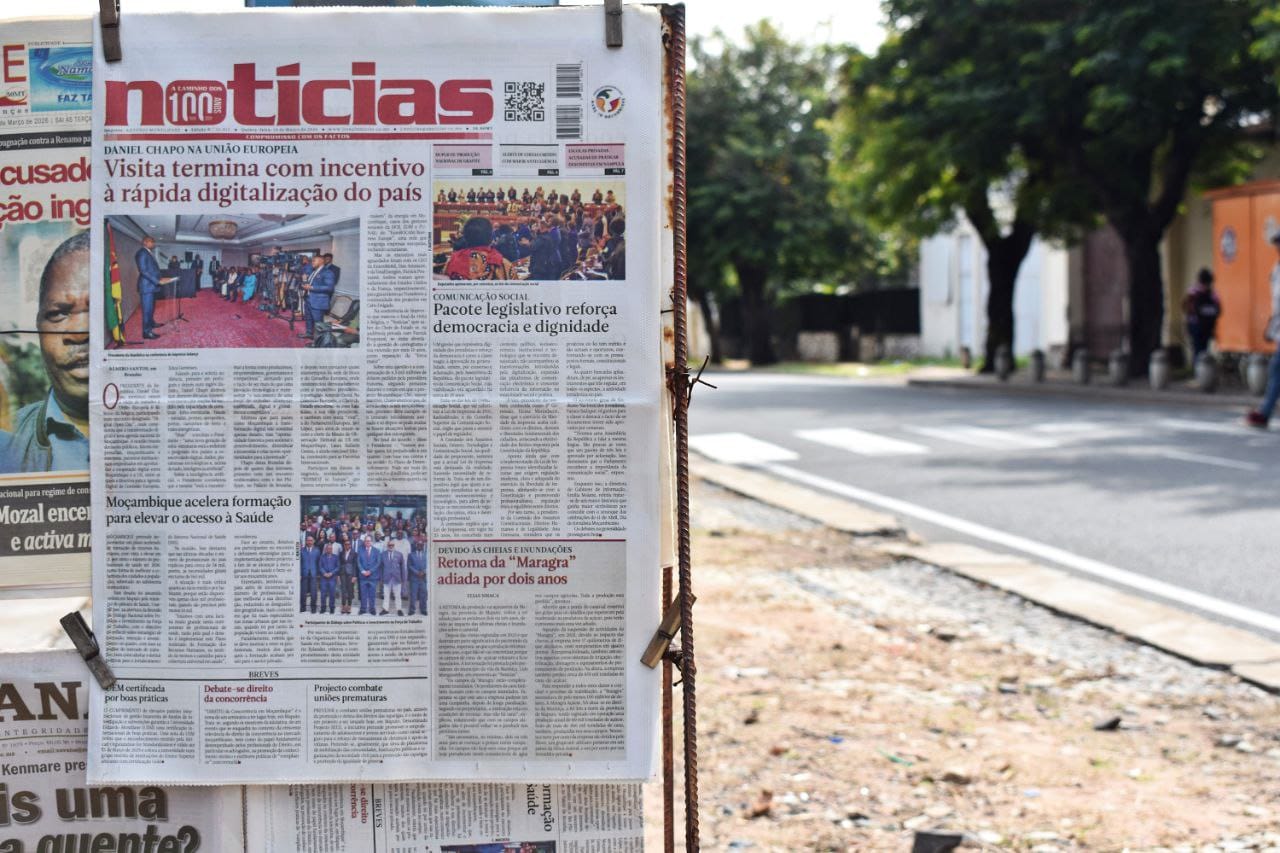
The government enjoys a dominant position in the country’s media landscape through the three state-controlled media organisations: the broadcasters TVM and Rádio Moçambique and the newspaper Notícias. It is true that there are also private sector media outlets, some of whom can be fiercely critical of the government. However, the state-controlled media is better resourced than them, and it is present all over the country. Not only does it generally turn a blind eye to stories that embarrass the government, but it is also guilty of producing propaganda for ministers and for the ruling Frelimo party. Frelimo deserves praise for its admirable leadership of the country. Government policies are a great idea. And so on.
The full Daily Briefing continues below for Pro subscribers. Subscribers to the Zitamar News tier can read the top half, including the full leader article, here.
It is easy to be cynical and say that this sort of propaganda does not matter, but that would be wrong. When there is a lack of scrutiny of the people in power, it is much easier for those people in power to be incompetent, malicious or corrupt. It is not just a matter of exposing criminal activity. Government policies are not sufficiently examined, so that, for example, ministers are able to take control of rice and wheat imports with little in the way of media pushback, despite the dangers of the policy.