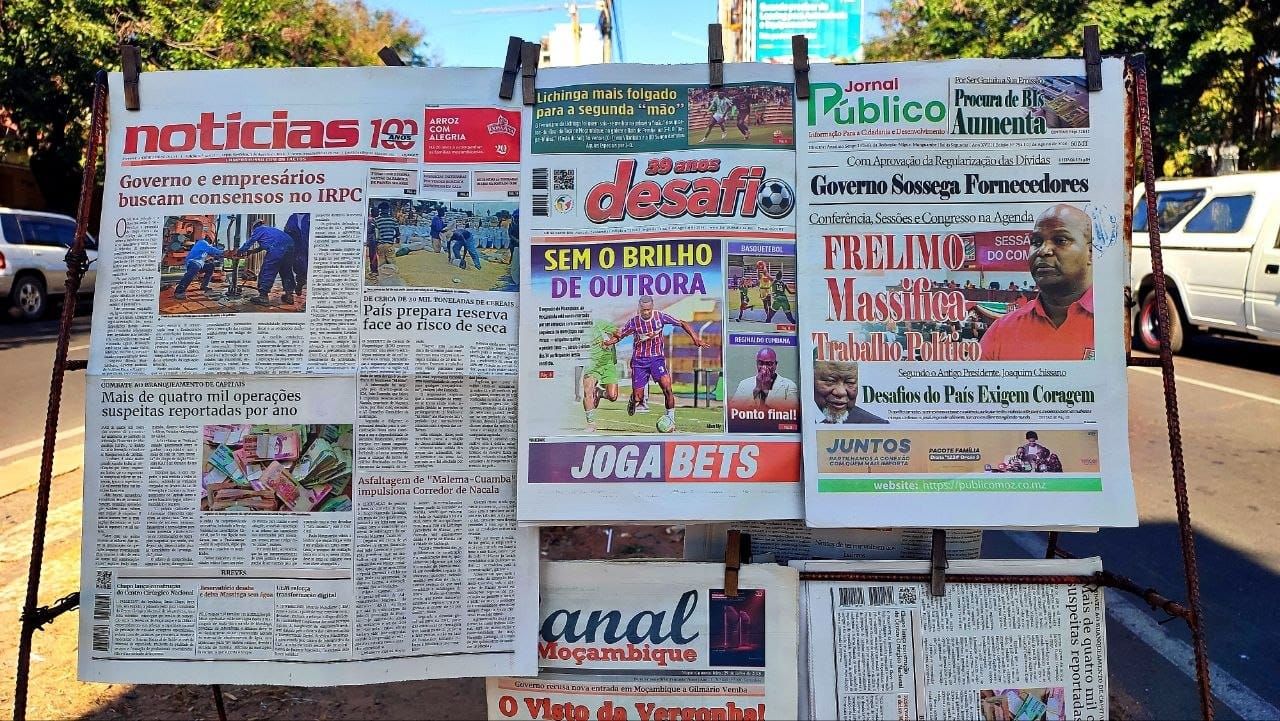
Mozambique spends around $700m a year importing cereals, while domestic production of rice and wheat remains hundreds of thousands of tonnes below what the country consumes. The government’s proposed response includes increasing production and establishing a 20,000-tonne strategic reserve ahead of possible poor rains. But neither will overcome the financial conditions preventing domestic producers from investing and expanding.
According to Cereals Institute director-general Jobe Fazenda, Mozambique has an annual rice deficit of roughly 600,000 tonnes and a wheat deficit of 700,000 tonnes. Virtually all the wheat consumed in the country is imported, along with a substantial proportion of its rice. Flood damage at Chinese-owned rice producer Wanbao in Gaza has further reduced domestic supply.
The full Daily Briefing continues below for Pro subscribers. Subscribers to the Zitamar News tier can read the top half, including the full leader article, here.
The figures are another measure of the failure of successive campaigns to make agriculture the foundation of Mozambique’s economy. The country has land, water and labour, yet remains dependent on imported staples and vulnerable to fluctuations in international prices, foreign-currency availability and the weather.
As economist Yasser Dada has argued, the problem cannot be separated from the price and availability of finance. The Bank of Mozambique has cut its benchmark interest rate substantially since January 2024, but the IMF estimates that real commercial lending rates remained around 11.5% in late 2025, as the central bank continues to prioritise low inflation and a stable metical. Private-sector credit had stagnated since September 2024, even as bank deposits increased.