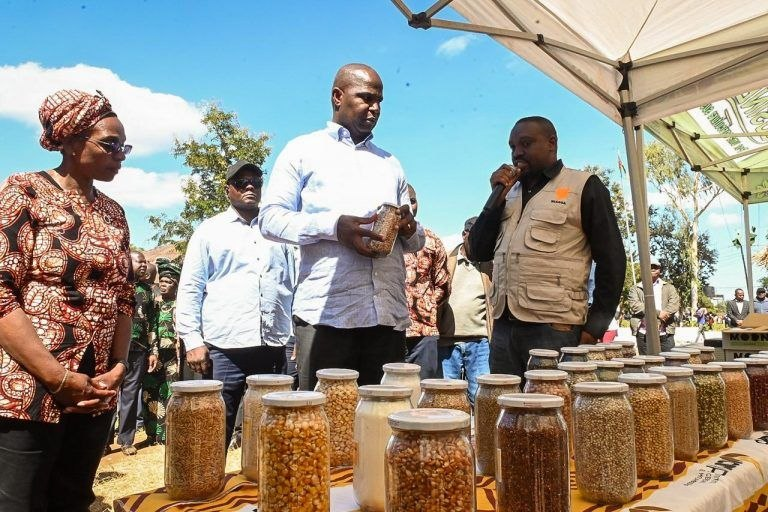
Mozambique cultivates just 17.8% of its available arable land, according to the latest agricultural census presented this week in Maputo. More than 84% of the country’s farms are smaller than two hectares, while low productivity, weak irrigation, limited mechanisation and poor value-chain integration continue to constrain production.
The country possesses vast agricultural potential, a relatively low population density and a rapidly growing labour force. Yet despite decades of policy programmes, agriculture still struggles to command the attention and focus that the government gives to pushing extractive industries.
The full Daily Briefing continues below for Pro subscribers. Subscribers to the Zitamar News tier can read the top half, including the full leader article, here.
The latest from Zitamar News:
 Zitamar News
The contrast is increasingly striking. New mining and petroleum laws were treated as a strategic priority by the government and rushed through parliament as part of a broader effort to accelerate investment and expand extractive activity. Mining, gas and other resource sectors continue to dominate official economic ambitions.
Yet extractives alone are unlikely to provide jobs for the roughly half a million young Mozambicans estimated to enter the labour market every year. Agriculture might.