Good afternoon. The government says fuel queues are easing. The state-owned fuel company Petromoc has expanded its role in supplying the market, while the energy regulator Arene has approved tough new penalties targeting speculation, hoarding and supply manipulation. On the surface, the response suggests authorities are bringing a difficult situation under control.
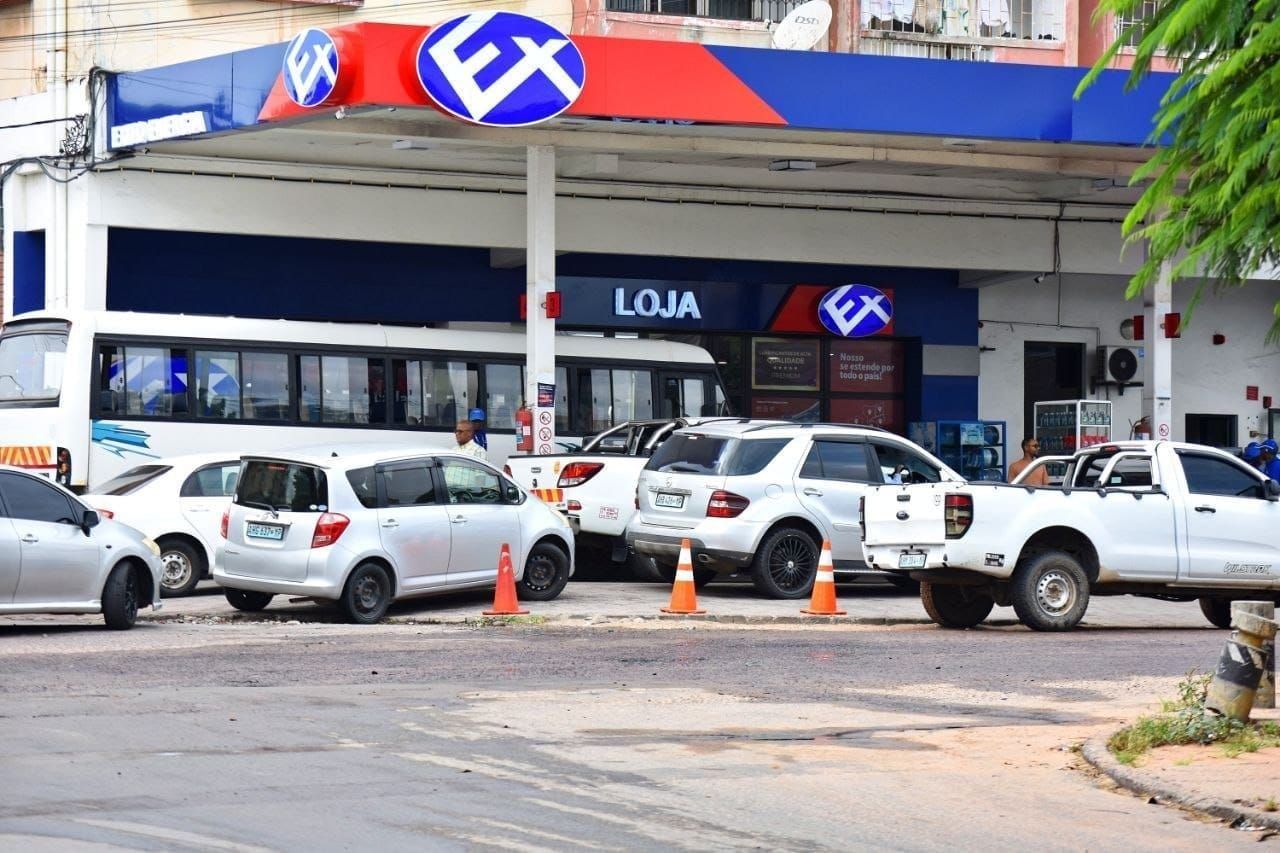
The Ministry of Mineral Resources and Energy this week said a special financing mechanism had enabled additional fuel deliveries through Petromoc, which now accounts for around 42% of market supply. The intervention appears to have had an immediate effect. Long queues outside fuel stations in Maputo have reportedly shortened significantly in recent days.
The full Daily Briefing continues below for Pro subscribers. Subscribers to the Zitamar News tier can read the top half, including the full leader article, here.
But buried within the ministry’s own explanation was a more revealing phrase: “challenges associated with financing imports.”
That matters because speculation and hoarding may distort markets, but they do not create shortages on their own. Fuel only disappears when importers struggle to secure supply. And increasingly, the evidence points not toward a physical shortage of fuel but toward a shortage of foreign currency.