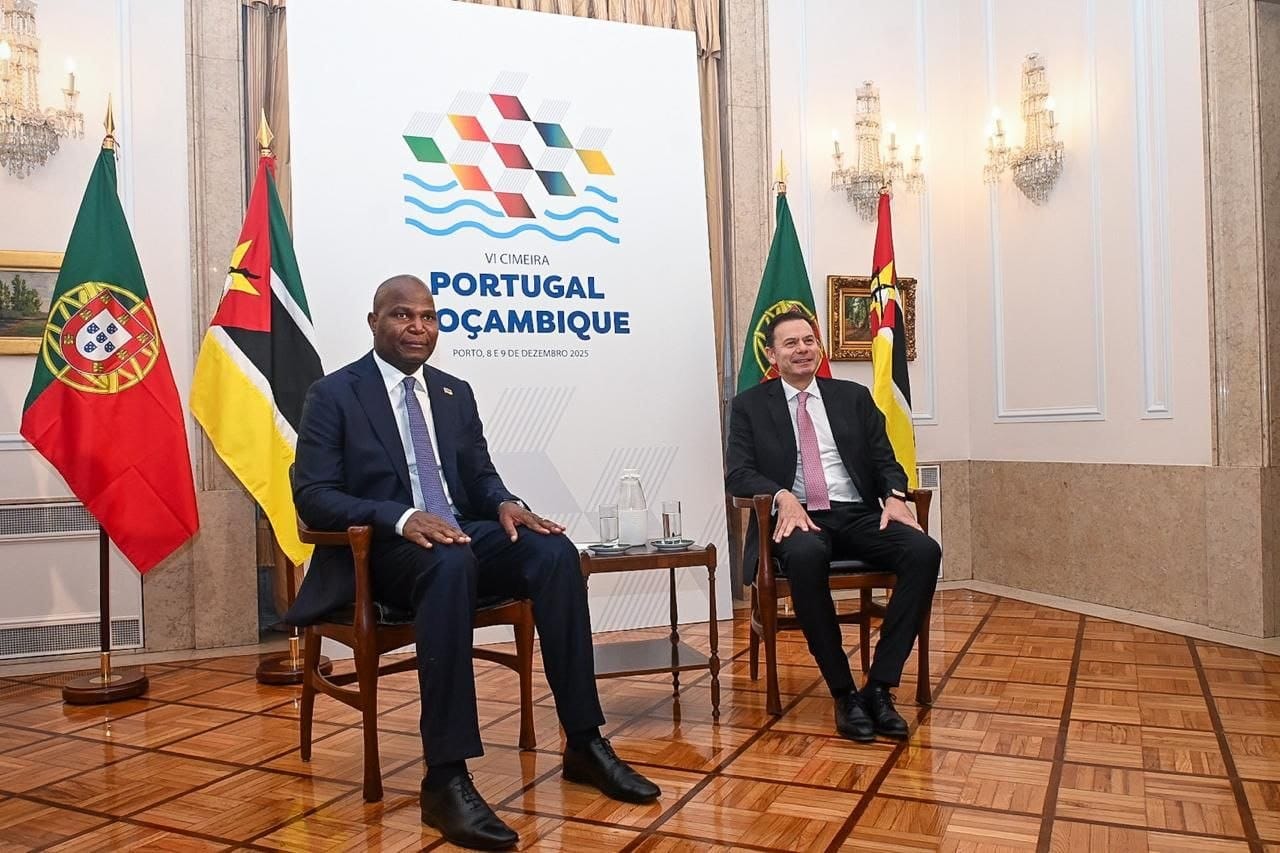
Good afternoon. Fountain pen ink was due to flow liberally in the Portuguese city of Porto today, since the Mozambican government expects to sign 21 cooperation agreements with Portugal (see below). Like most such agreements, these are signed in ink, not blood, so they do not represent hard commitments to deliver projects. But President Daniel Chapo and his government have been lobbying the Portuguese hard to put their money where their mouth is.
The full Daily Briefing continues below for Pro subscribers. Subscribers to the Zitamar News tier can read the top half, including the full leader article, here.
As this newsletter noted yesterday, Mozambique’s foreign aid is drying up, and the reputation of Chapo’s government among foreign governments is still tarnished by the fraudulent elections held last October and the brutal police crackdown on protests that followed. But Portugal remains loyal to Mozambique, its former colony, where it is for example in charge of the European Union’s military advice mission supporting the Mozambican armed forces in fighting the northern insurgency.
Chapo’s government is hopeful that it can secure financial support in the region of billions of dollars to help Portuguese businesses and institutions go to work in Mozambique. Their idea is to get loans and guarantees that will provide backing for commercial rather than development projects, thus sidestepping the problem of aid fatigue and reduced aid budgets. Even so, however, it would be a lot of money for the Portuguese government to find, and the Mozambican idea is for the Portuguese to access and manage European Union cooperation funds. Benefiting from a shared language, Portuguese businesses and investors are quite keen to start up businesses in Mozambique in various sectors, from tourism and hospitality to electrical supplies, and they have a good track record in employing Mozambicans, raising service standards and knowledge transfer. If they receive financial backing, the argument goes, then they can compete with Chinese businesses.