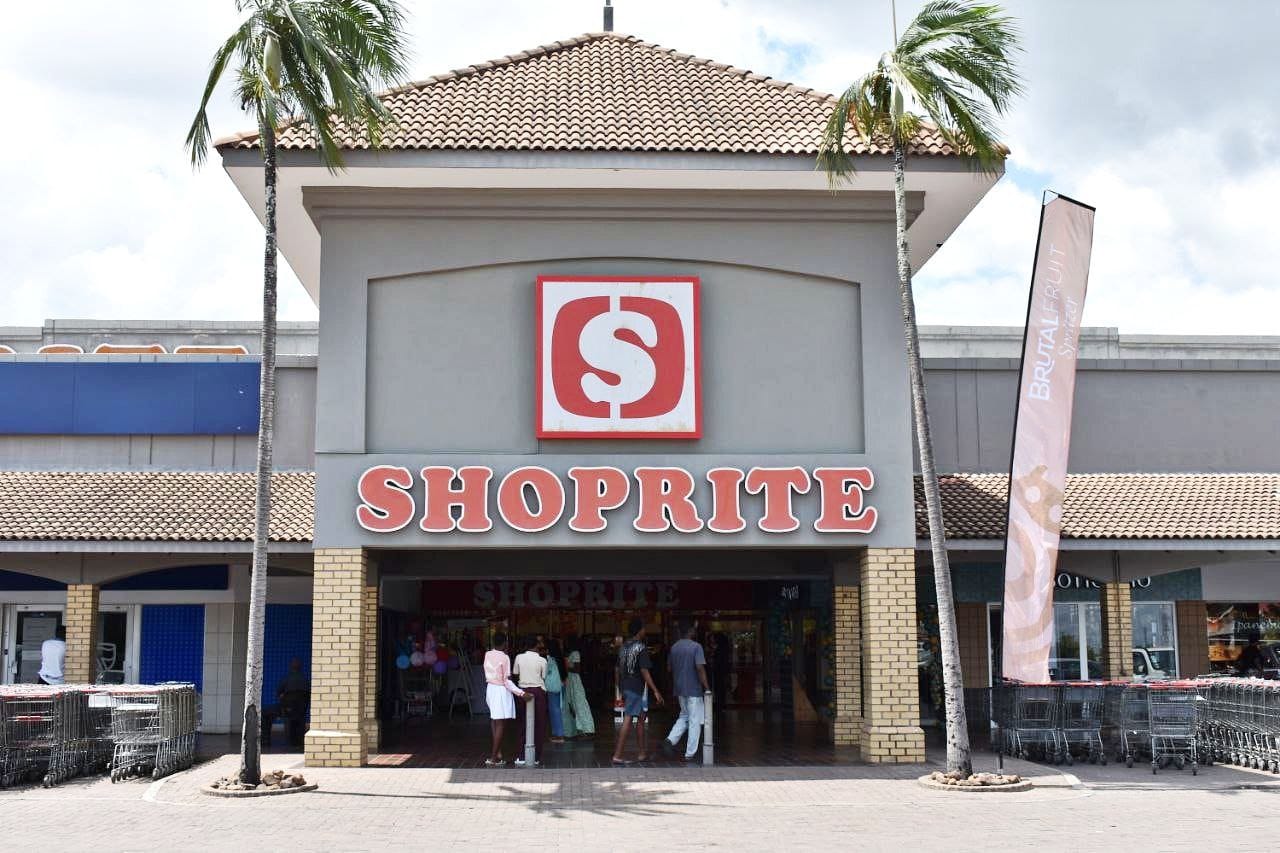
Good afternoon. News about the profitability problem facing South African-owned supermarket chain Shoprite in Mozambique (see below) provide a moral lesson about unintended consequences. Specifically, the consequences that arises from Mozambique’s lack of an effective industrial policy.
Shoprite faces more competition from other retail chains these days than it used to, it is true, and it suffered damage to some of its stores and loss of business during the post-election protests of 2024-5. However, that is not the main reason its business in Mozambique is in trouble. In recent years, there has been an increase in the small-scale, informal cross-border trade known as mukhero, in which goods are bought outside Mozambique and then brought over the border to be sold directly or onto market traders. Informal markets are dominated by people of foreign origin like Pakistanis, Rwandans, Burundians and Somalis, but the mukheristas tend to be Mozambicans, who use their relationships with the border authorities to avoid paying customs duties. Although they are mostly small-scale, there are thousands of them. Mukhero has grown in size and complexity, and supplies everything from vegetables to car parts to furniture. It is successful because it is cheap, and it is cheap because it is illegal: customs duties and VAT are not paid. But the authorities generally turn a blind eye, because a lot of people depend on mukhero for a living. Though it has to be noted that the larger-scale mukheristas are hardly poor.
The full Daily Briefing continues below for Pro subscribers. Subscribers to the Zitamar News tier can read the top half, including the full leader article, here.
But this trade has consequences, and one of them is that businesses that do have to pay duties and taxes get undercut. In the past, market traders would buy Shoprite’s goods and sell them in informal markets for a markup. Today, those same markets can undercut Shoprite. As a result, the chain is considering whether it should close down its business in Mozambique, potentially putting hundreds of people out of work. Smaller shops have responded to the pressure of informal trade by playing the informal traders at their own game: they hand over their goods to street traders to sell on commission, thus avoiding paying VAT.