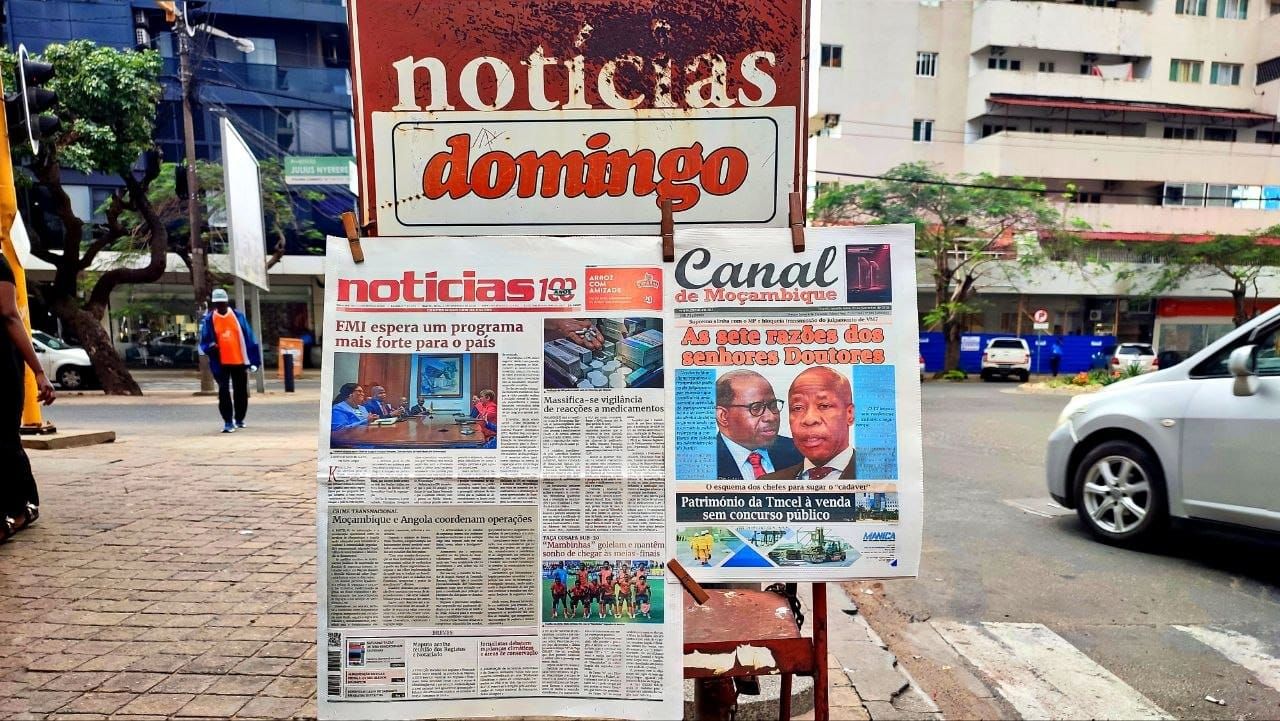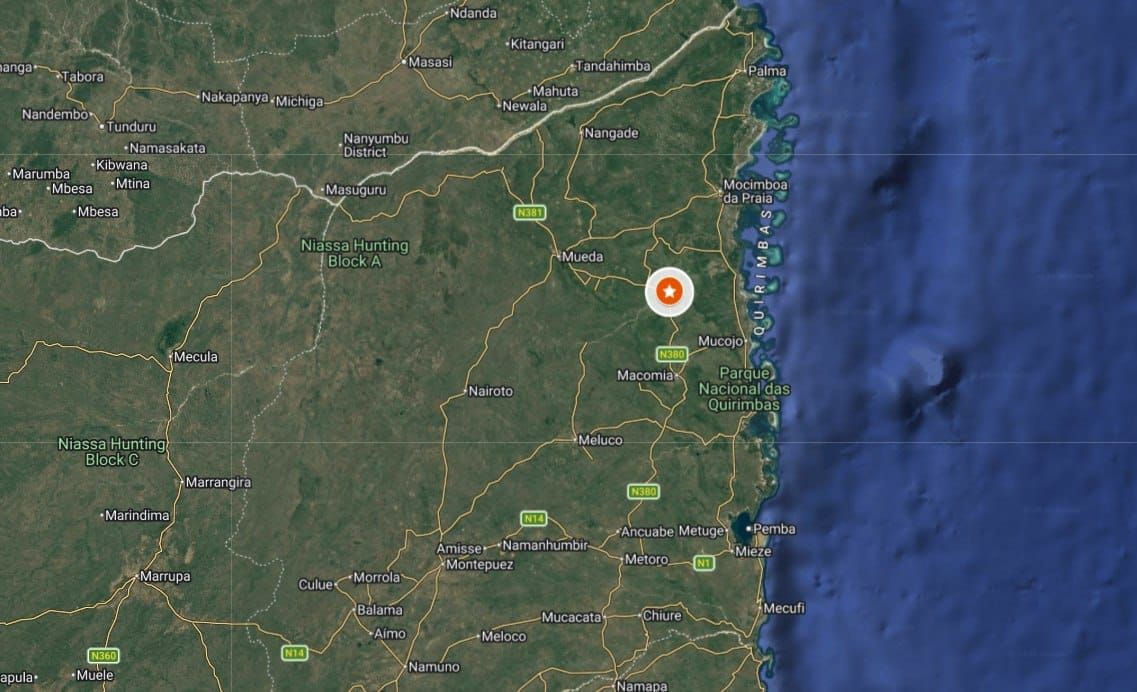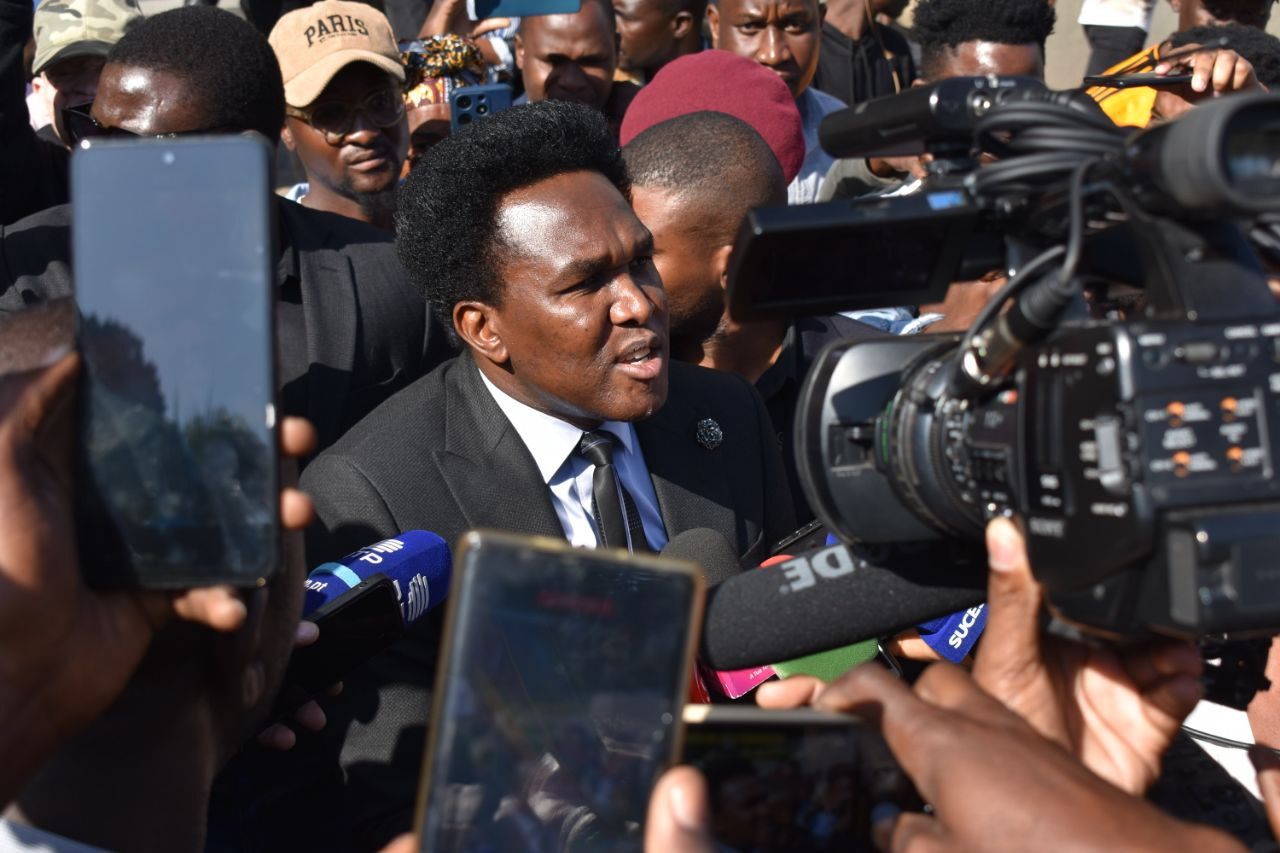
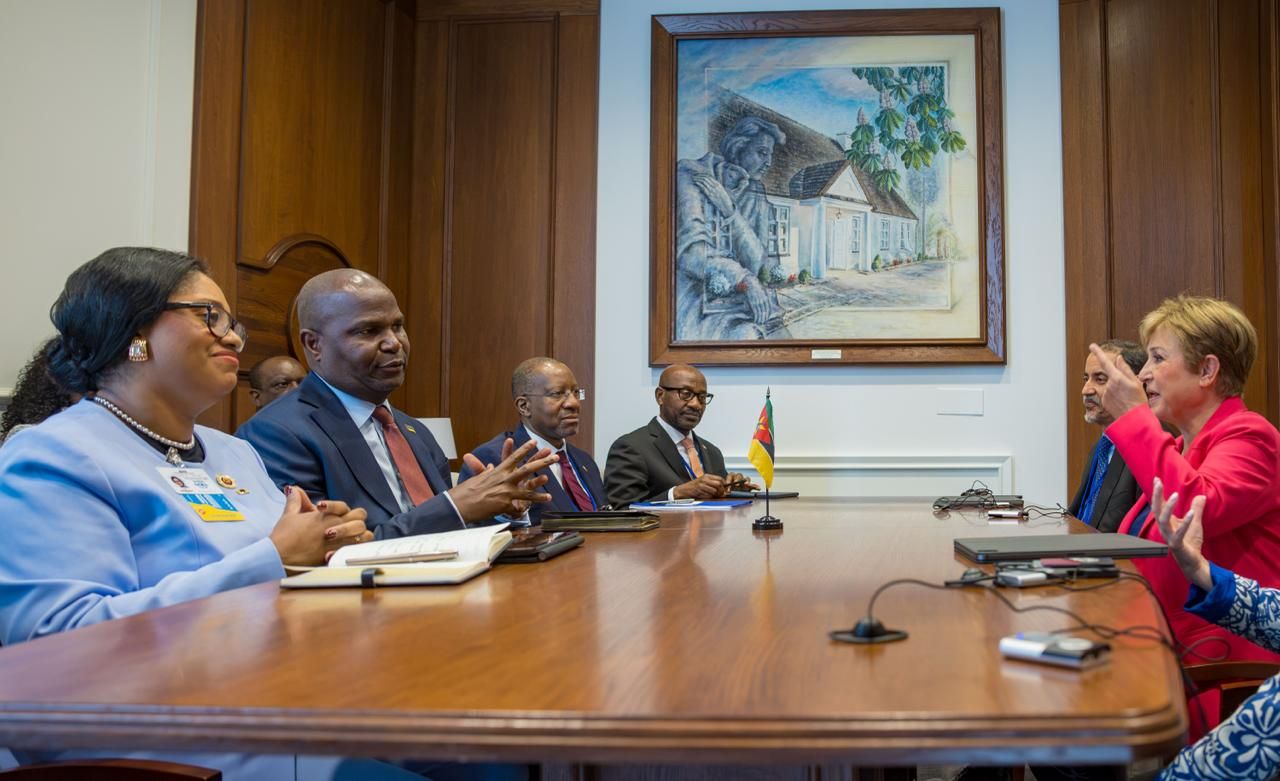
Good afternoon. President Daniel Chapo met International Monetary Fund managing director Kristalina Georgieva in New York this week as Mozambique seeks a new financial programme. A Fiscal Risks Report published by his own government helps explain why the negotiations will be difficult. The liabilities of state-owned enterprises were equivalent to 48.4% of GDP in 2024.
The latest from Zitamar News:
 Zitamar Ltd
The full Daily Briefing continues below for Pro subscribers. Subscribers to the Zitamar News tier can read the top half, including the full leader article, here.
That figure is not an immediate bill for the Treasury. State companies own assets and earn revenue with which to meet their obligations. Yet their financial position deteriorated between 2023 and 2024: debt and other liabilities increased, shareholders’ equity declined and turnover fell. Taxes paid by the sector dropped by more than 21%, from MZN31.2bn ($489.4m) to MZN24.4bn ($382.7m).
The state is exposed through guarantees, sureties, debt-repayment agreements and comfort letters. These commitments increased by 4% in 2025. If a company cannot pay, part of its burden may pass to a government already struggling to finance salaries, debt service and basic public services.