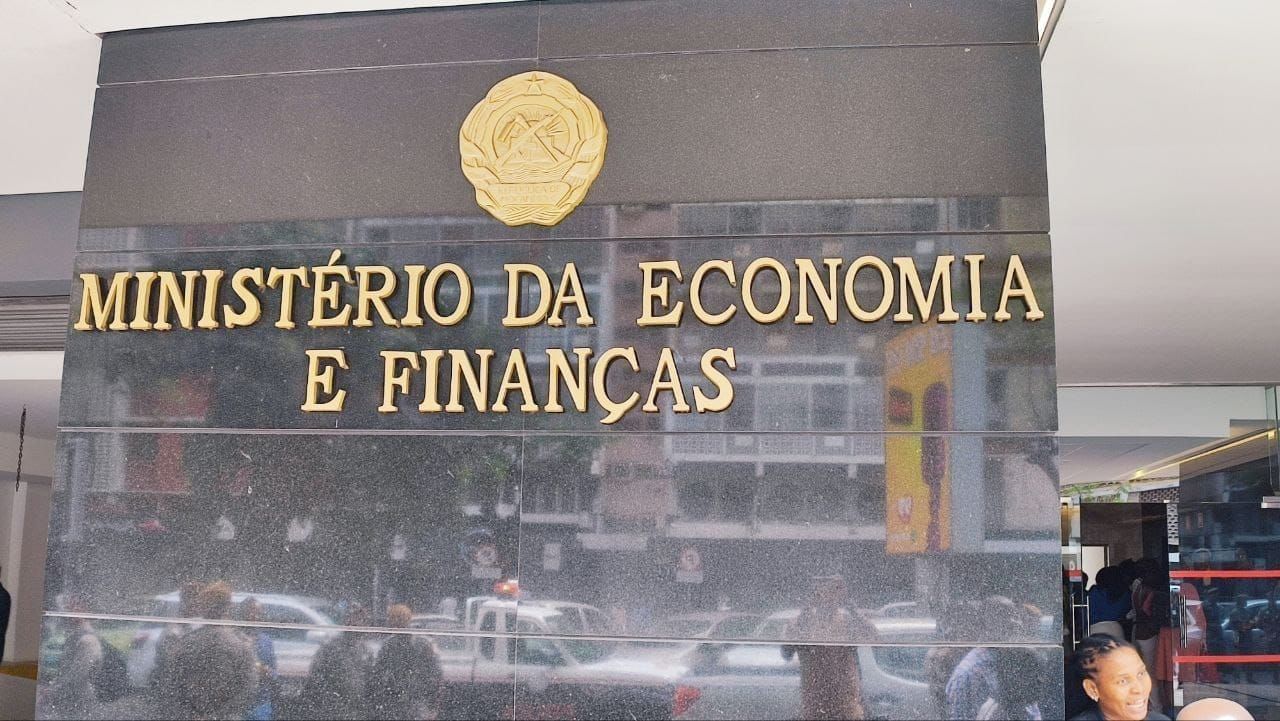
Good afternoon. Mozambique's government is pressing the Tax Authority to collect every metical it can. It is rolling over Treasury bonds it cannot readily repay, and leaning on donors to pay for basic services. Yet it keeps granting tax benefits whose recipients are secret and whose benefits have never properly been tested. A new study by the Centre for Public Integrity (CIP) puts the accumulated revenue at MZN355bn ($5.5bn) between 2009 and 2025.
That total shouldn't be read as money the state could simply have banked. Some breaks may have drawn in investment that would not have come otherwise, and taxing every exempt import could slow the economy. But the IMF and others doubt that incentives usually decide an investment; stability and a sound business climate matter more. The real failure is that the government has never checked. CIP argues that the government cannot say which investments needed the breaks, how many jobs they created, or whether they were worth the revenue given up.
The full Daily Briefing continues below for Pro subscribers. Subscribers to the Zitamar News tier can read the top half, including the full leader article, here.
The latest from Zitamar News:
 Zitamar News
The scale makes that failure hard to defend. Tax breaks rose from MZN7.9bn ($123m) in 2009 to MZN30.9bn ($483m) last year. Over the period, they averaged the equivalent of almost the entire public health budget. That does not prove the money could instead have gone to hospitals. It shows the size of the bet the state is making without knowing the odds.
The design of the scheme adds a second problem. Around two-thirds of the benefits go to imports, through waived VAT, customs duties and excise. By law, that relief is only meant to apply when the goods can't be made in Mozambique. But the CIP could find no sign of how, or whether, anyone checks. A policy meant to attract investment may just be subsidising imports, and undercutting the local production the government says it wants.